Arizona SNAP Enrollment Plunges Under New Rules, Yuma County Feels Impact
Arizona's SNAP rolls have dropped nearly 40% in a year, with Yuma County residents feeling it directly: "It's for sure harder now to afford groceries."
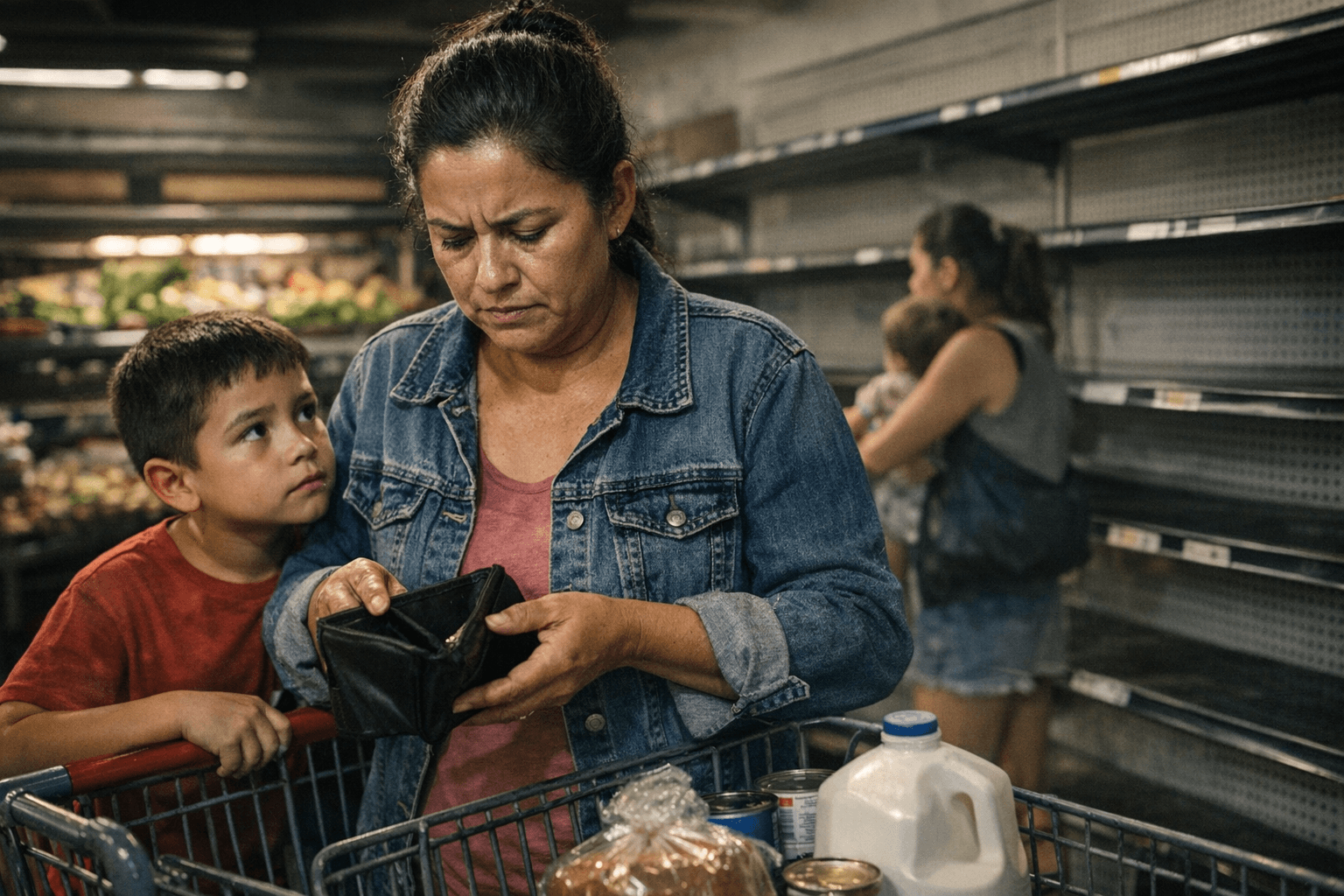
Nearly half a million Arizonans have lost food assistance since last summer, and the decline is still accelerating, with enrollment falling further from January to February in Yuma County and statewide.
About 533,000 people received SNAP benefits in Arizona in January, a 31% decline from October, according to the Department of Economic Security. The drop is even more pronounced compared to one year earlier, when nearly 1 million Arizonans received assistance in January 2025. Senior Policy Analyst Kyle Ross with the Center for American Progress put that in starker terms: "SNAP recipients in Arizona has fallen by nearly 400,000 participants over the last year alone, with the large majority of that coming after the passage of the One Big Beautiful Bill Act in July of 2025."
DES spokesperson Brett Bezio told ABC15 that "the caseload decline is driven in large part by the requirements in H.R.1, passed in July 2025, that changed SNAP eligibility and imposed new quality review requirements on states." Ross, separately, pointed to more than just eligibility changes, saying staffing shortages and longer wait times have made it harder for people to apply for or remain on benefits.
Bezio confirmed that a December investment from Gov. Katie Hobbs has allowed for technology upgrades, overtime opportunities for staff, and the hiring of 127 new employees, though DES had been reeling from a 500-person staffing shortage prompted by federal funding cuts to state agencies. Hobbs allocated $7.5 million to DES to hire new staff and "enhance technology and third-party verification," which included funding to expand the agency's ability to check participants' income information.
In Yuma, the numbers are moving in the same direction. State data shows the trend is already continuing, with enrollment dropping from January to February both statewide and in Yuma. One Yuma resident summed up what that means at the checkout line: "It's for sure harder now to afford groceries."
Under the new standards set by H.R.1, only Yuma County currently meets the federal threshold to qualify for a geographic waiver, requiring an unemployment rate above 10%. That distinction underscores how acutely the county has been affected, both by job market pressures and by the eligibility changes now reshaping who can receive assistance.
Children bear a disproportionate share of the impact: they make up more than 40% of the state's SNAP recipients, and the number of kids receiving benefits in January fell by one-third compared to October.
Gov. Hobbs' office attributed the decline directly to federal policy, saying "the decline in participation over the last few months is a direct result of H.R.1, the partisan Washington budget that stripped food assistance from hundreds of thousands of Arizonans, including older adults, families with older children, veterans, and those experiencing homelessness," adding that "these federal changes imposed stricter eligibility rules and new quality review requirements on states, significantly impacting caseloads."
Ross says SNAP enrollment is likely to continue declining over the next year, a forecast that carries particular weight in Yuma County, where food insecurity and unemployment already rank among the highest in the state.
This article was produced by Prism’s automated news system from verified source data, official records, and press releases, then run through automated quality and moderation checks before publishing. The system is built and supervised by the people who set the standards it runs under. Read our full AI policy.
Did this article answer your question?