BBB warns Yuma County residents about fake lookalike websites
Lookalike scam sites can mimic BBB, USPS and Arizona MVD pages so closely that one rushed click can expose money and personal data.
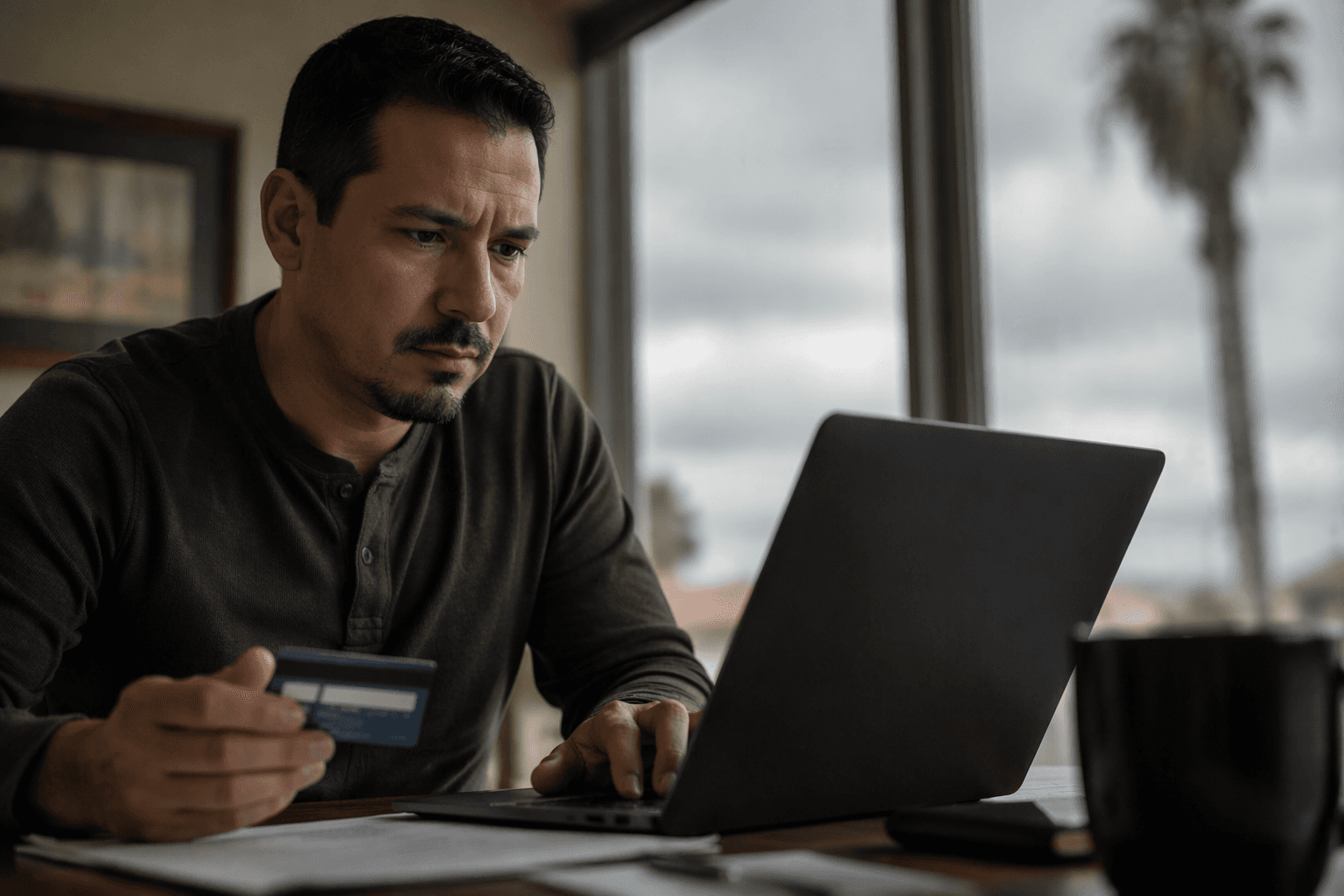
Fake websites are getting polished enough to fool Yuma County residents who are shopping online, renewing vehicle paperwork or tracking a package. The Better Business Bureau says scam pages often use very similar URLs and nearly identical designs, which makes them dangerous when someone is moving fast or clicking from a text or email.
The quickest warning signs usually sit in the address bar and at the bottom of the page. BBB advises readers to watch for misspellings, swapped letters and tricky subdomains, and to be wary when the link shown in a message does not match the page that opens. It also recommends checking whether a legitimate business lists a physical address, a working phone number and clear return or shipping policies. If the policy text looks generic, copying it into a browser can help reveal whether it was lifted from somewhere else.
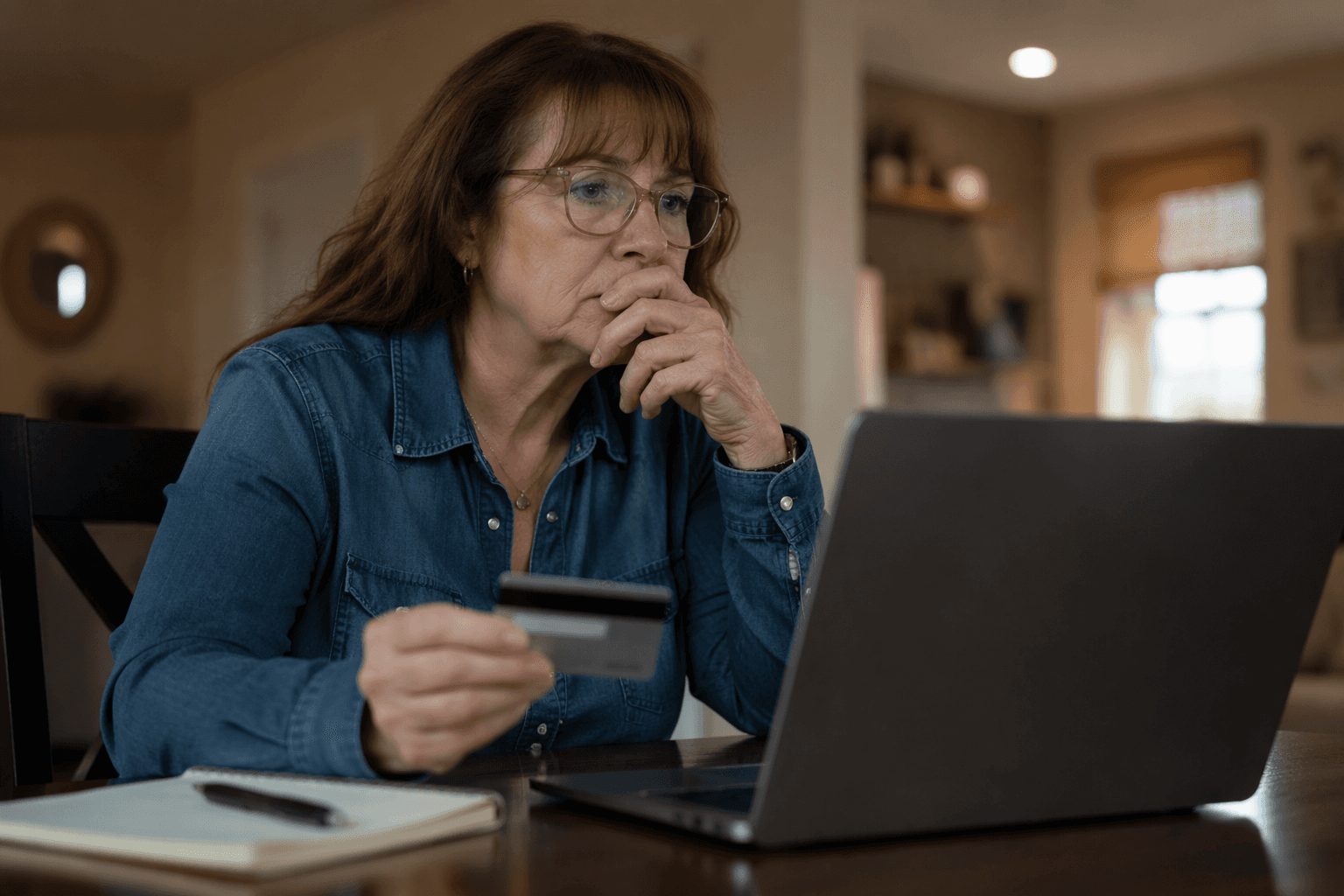
The scam playbook now stretches well beyond fake shopping sites. BBB has flagged impostors posing as streaming services, state motor vehicle offices and postal websites, and even BBB itself has been mimicked. That matters in Arizona, where the transportation department says the state uses Motor Vehicle Division, not DMV, and that searching for “Arizona DMV” can send users to unauthorized sites. USPS has also warned that fraudsters are using artificial intelligence to make their messages look more believable, including lookalike photos, cloned voices and more convincing wording in texts and emails. Common postal lures include claims that an account has been suspended, there is suspicious activity, a shipping address is wrong or a package is waiting at the post office.
For Yuma County families, the risk shows up in ordinary moments: paying a utility bill, buying event tickets, chasing a retail deal or booking travel across the border. BBB says thousands of new scams surface every year, and its Scam Tracker database lets consumers report fraud and see what others are encountering. The safest move is to type in a trusted address yourself rather than follow a link that arrived out of nowhere.
If someone already clicked or paid, the first hour matters. Close the site, screenshot the page and any emails or texts, then call the bank or card issuer to block or dispute the charge. Change any passwords entered on the site, especially if the same login was used elsewhere, and watch accounts for unfamiliar activity. Then report the scam through BBB Scam Tracker and use only the state’s authorized MVD portals or the postal service’s official channels for any follow-up.
This article was produced by Prism’s automated news system from verified source data, official records, and press releases, then run through automated quality and moderation checks before publishing. The system is built and supervised by the people who set the standards it runs under. Read our full AI policy.
Know something we missed? Have a correction or additional information?
Submit a Tip