Biggs warns Colorado River cuts could hit Yuma farming hard
Yuma growers produce about 80% of U.S. winter vegetables. A new Colorado River deal could decide how much land stays in production.
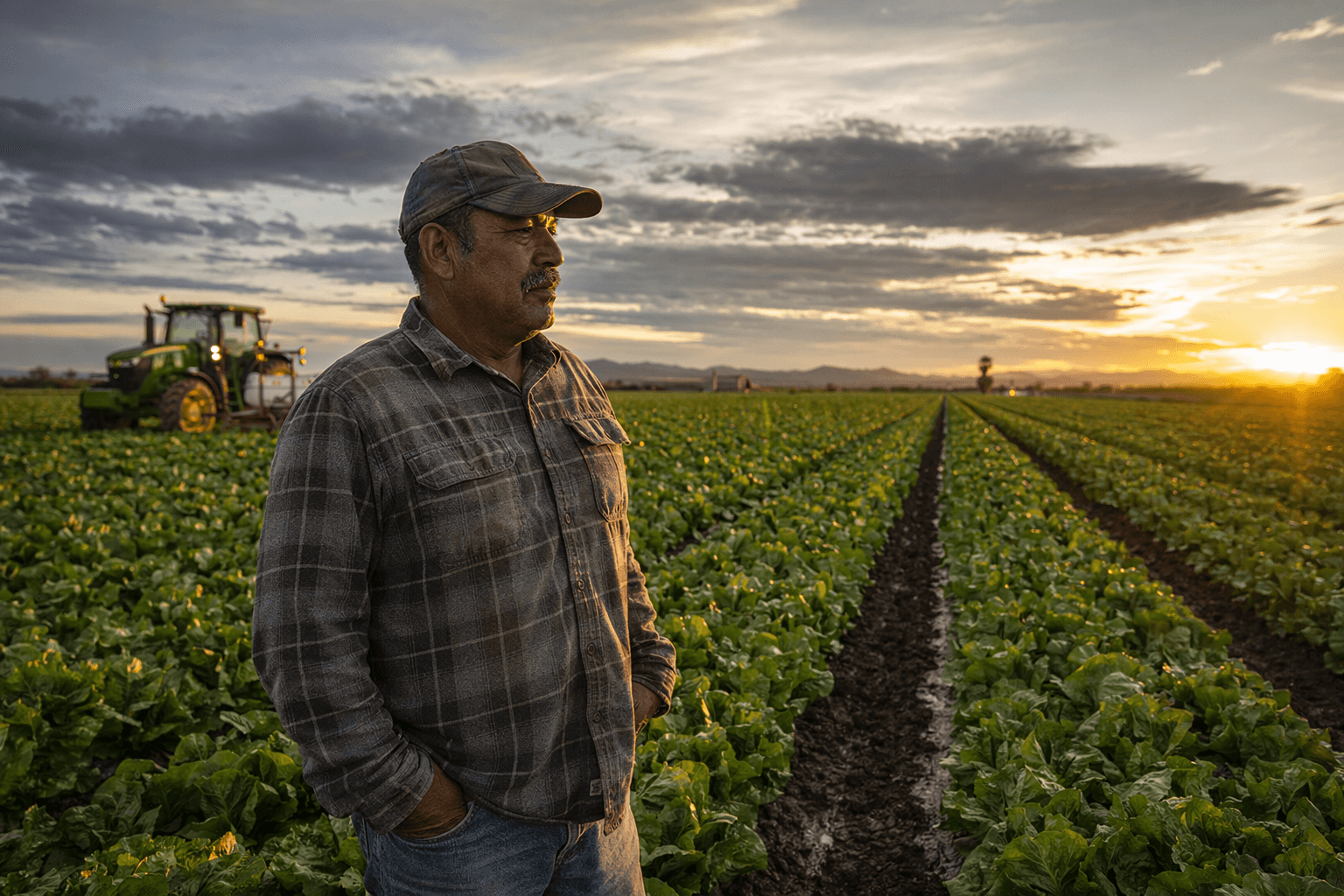
Rep. Andy Biggs warned that the next Colorado River deal could hit Yuma farming hard, putting one of the nation’s most productive agricultural regions in the middle of a fight over water cuts, crop output and jobs. Yuma County farms generate nearly $4 billion in annual sales, use about 8% of the Colorado River basin’s irrigation water and produce about 18% of basin crop sales, a concentration that makes every acre-foot matter for planting decisions and food supply.
The Bureau of Reclamation released its post-2026 draft environmental impact statement on January 9 and kept the public comment period open from January 16 through March 2. The agency says the new operating guidelines are meant to make Colorado River management more predictable after the current rules expire in 2026, but the stakes are higher in Arizona because the state has already been taking Colorado River cuts since 2022 and the shortage-sharing agreements among Arizona’s cities, farms and tribes also expire in 2026.
Biggs and Arizona Republican House members formally opposed the draft plan on March 3, arguing that it would force disproportionate cuts on Arizona and the Lower Basin while leaving the Upper Basin able to increase use. Arizona water negotiator Thomas Buschatzke has said a 760,000 acre-foot Arizona reduction would mainly hit fourth-priority Central Arizona Project users and some on-river users north of Yuma, while higher-priority Yuma-area farmers and irrigation districts would not face those cuts under that allocation framework.
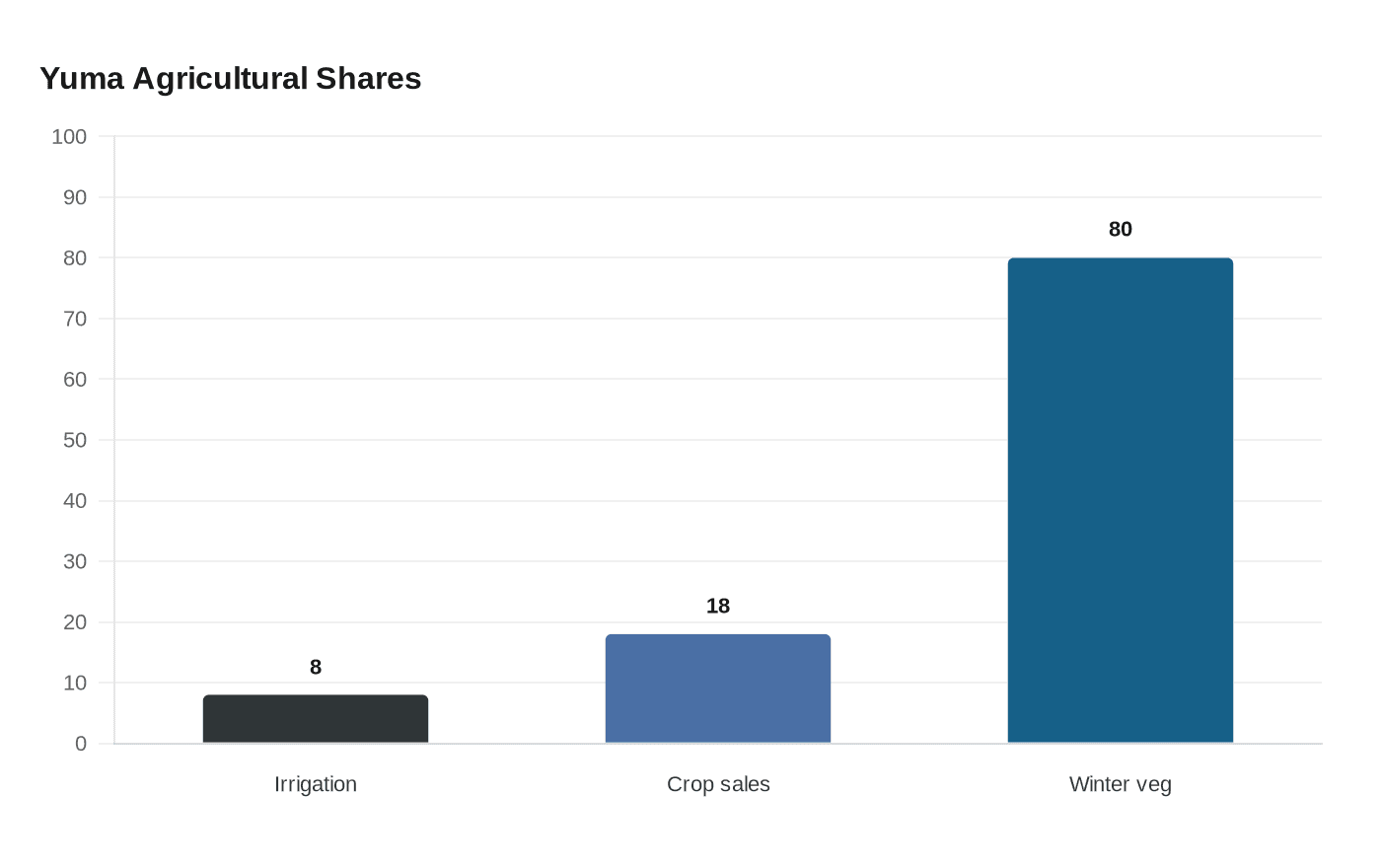
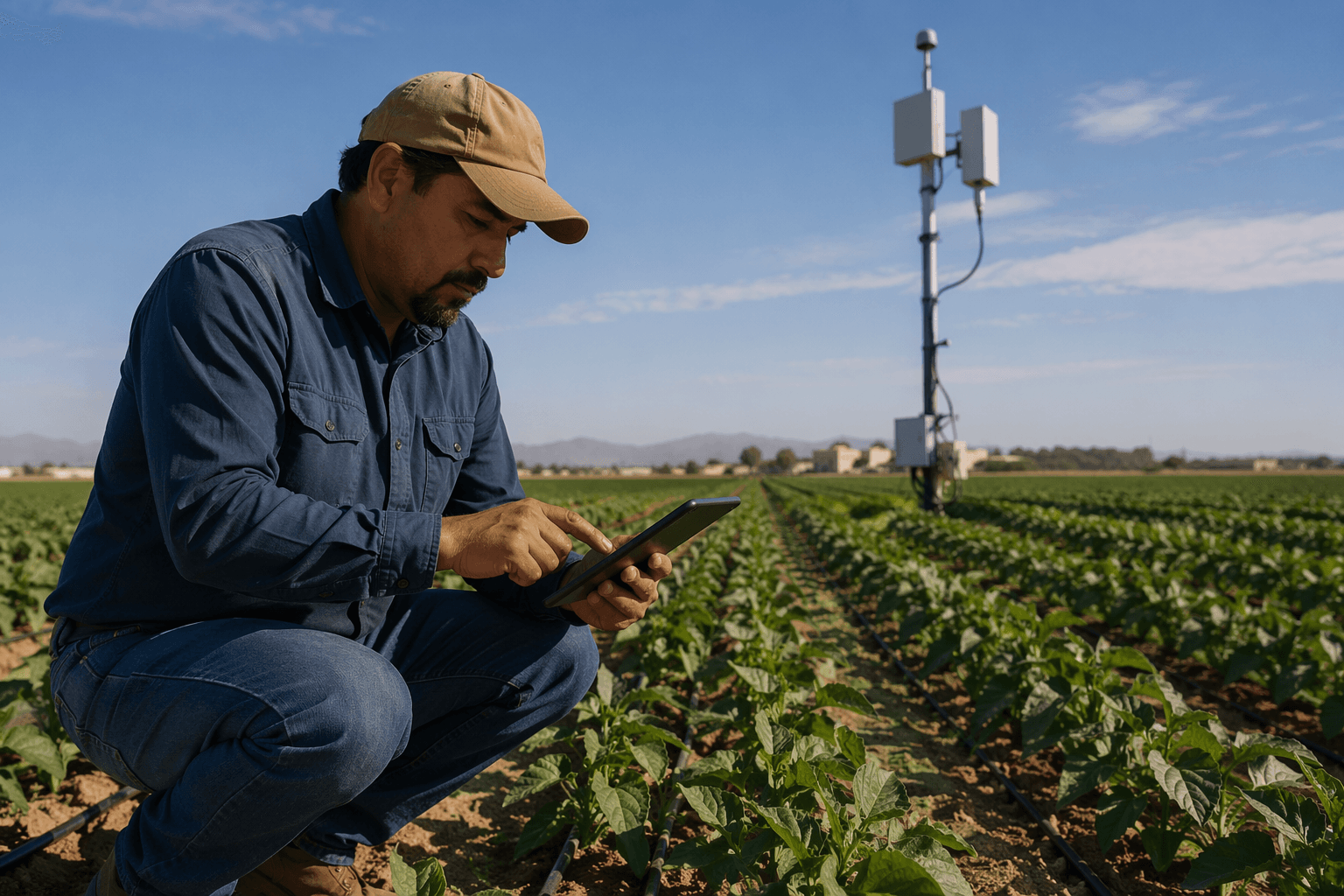
That distinction is central in Yuma, where growers produce roughly 80% of the nation’s winter vegetables and irrigation districts are defending a water system that feeds packing sheds, trucking jobs and year-round field work across Yuma County. The Yuma City Council submitted comments on the river’s future, and Yuma Area Irrigation Districts warned that Yuma County is an agricultural community at the far southern end of the river that supplies the majority of the nation’s winter vegetables. The Arizona Farm Bureau added that agriculture has helped sustain the river system by not fully using annual water rights during drought.
If a final deal shifts more of the burden onto Yuma than the current priority system would, the local consequences would be immediate: fewer planted acres, smaller harvests, tighter water security for winter crops and pressure on the workers who plant, harvest, cool and ship produce out of Southern Arizona. Biggs has also pointed to restarting the inactive Yuma Desalting Plant as a possible way to bolster Arizona’s water supply, underscoring how fragile the region’s margin has become as the basin heads toward a new operating regime.
This article was produced by Prism’s automated news system from verified source data, official records, and press releases, then run through automated quality and moderation checks before publishing. The system is built and supervised by the people who set the standards it runs under. Read our full AI policy.
Did this article answer your question?