CCE proposes trusted traveler lane to speed Mexico crossings
CCE proposed a trusted traveler lane to cut Mexico crossing waits as San Luis handled 2.29 million pedestrians and 3.28 million vehicles in 2023.
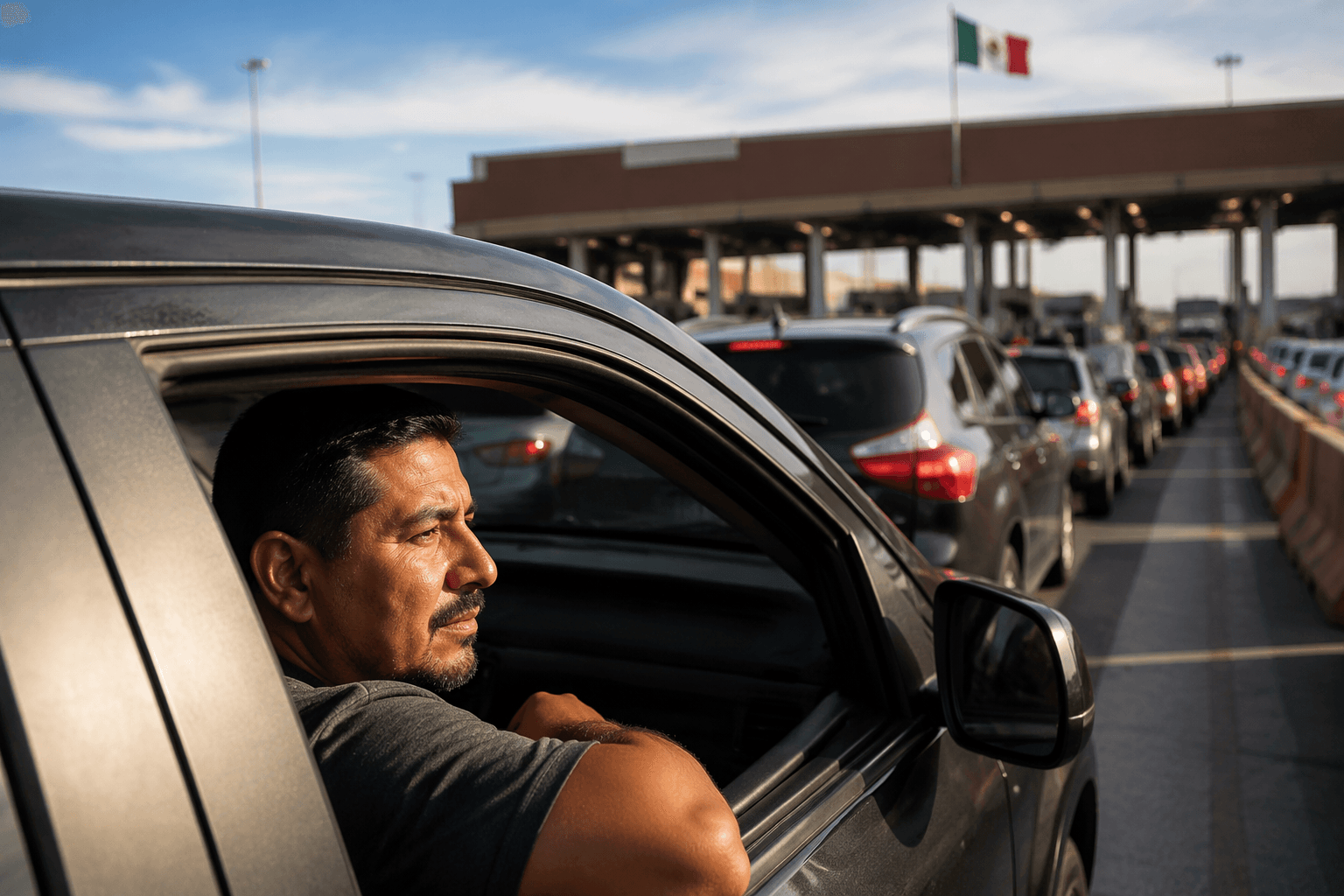
CCE proposed a trusted traveler lane to speed crossings into Mexico, a move aimed at the daily flow of workers, shoppers, students and families moving through San Luis and Yuma. The San Luis Port of Entry processed 2,290,808 northbound pedestrians and 3,282,795 northbound personal vehicles in 2023, carrying 5,450,988 people.
The concept uses systems already used on both sides of the border. U.S. Customs and Border Protection’s Trusted Traveler Programs are built for pre-approved, low-risk travelers and use dedicated lanes and kiosks to speed processing. Mexico’s Viajero Confiable program, run by the Instituto Nacional de Migración, lets members pass through customs and immigration controls in reduced time, and Mexican nationals can use Global Entry through a U.S.-Mexico arrangement. That means the benefit would not reach everyone in line. It would go first to frequent crossers who enroll and clear screening, while regular travelers who do not qualify would still wait in standard lanes.
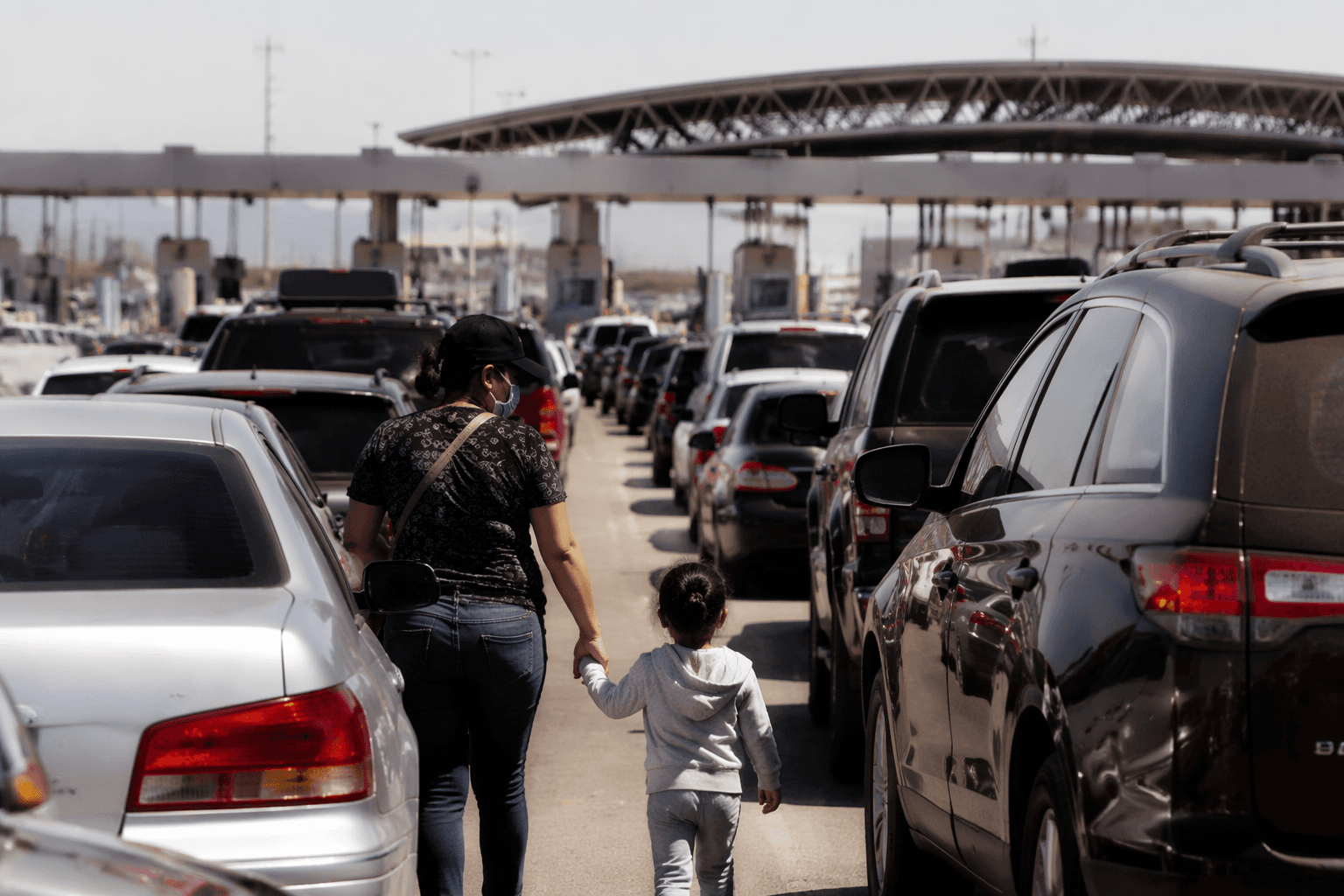
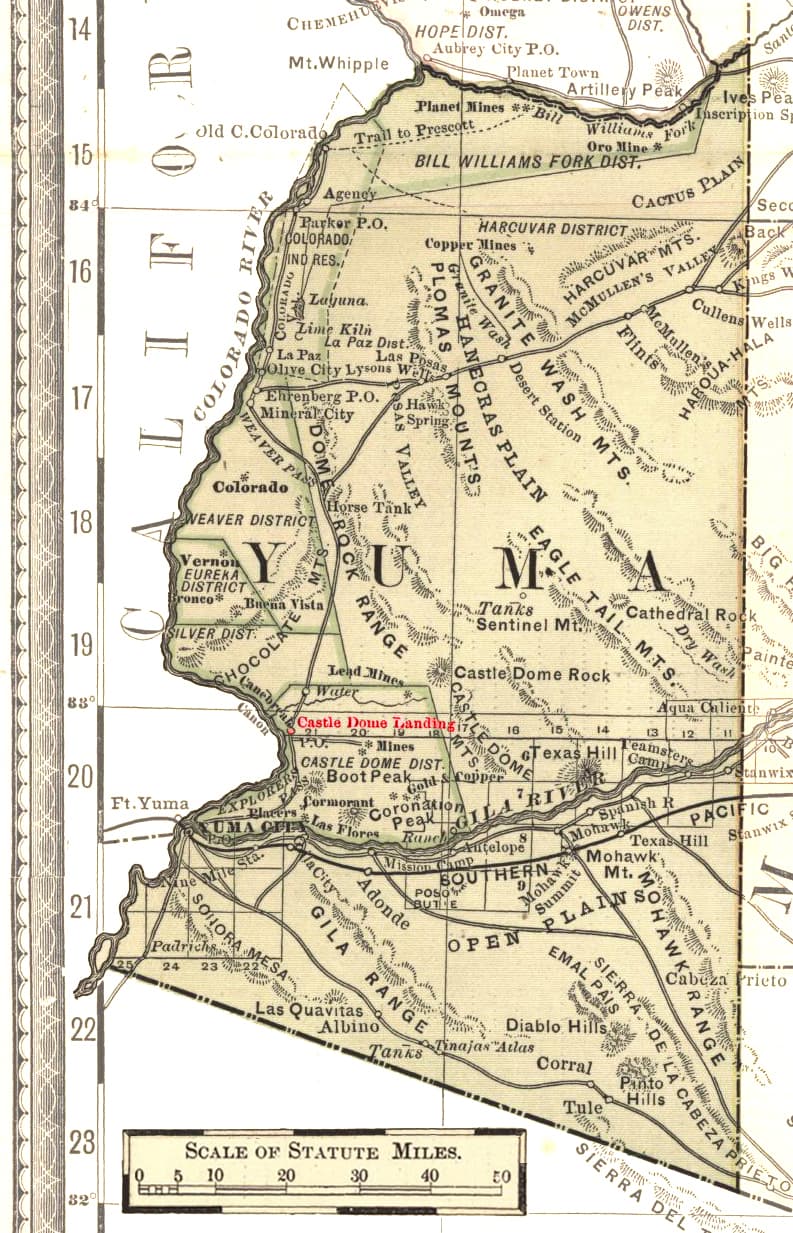
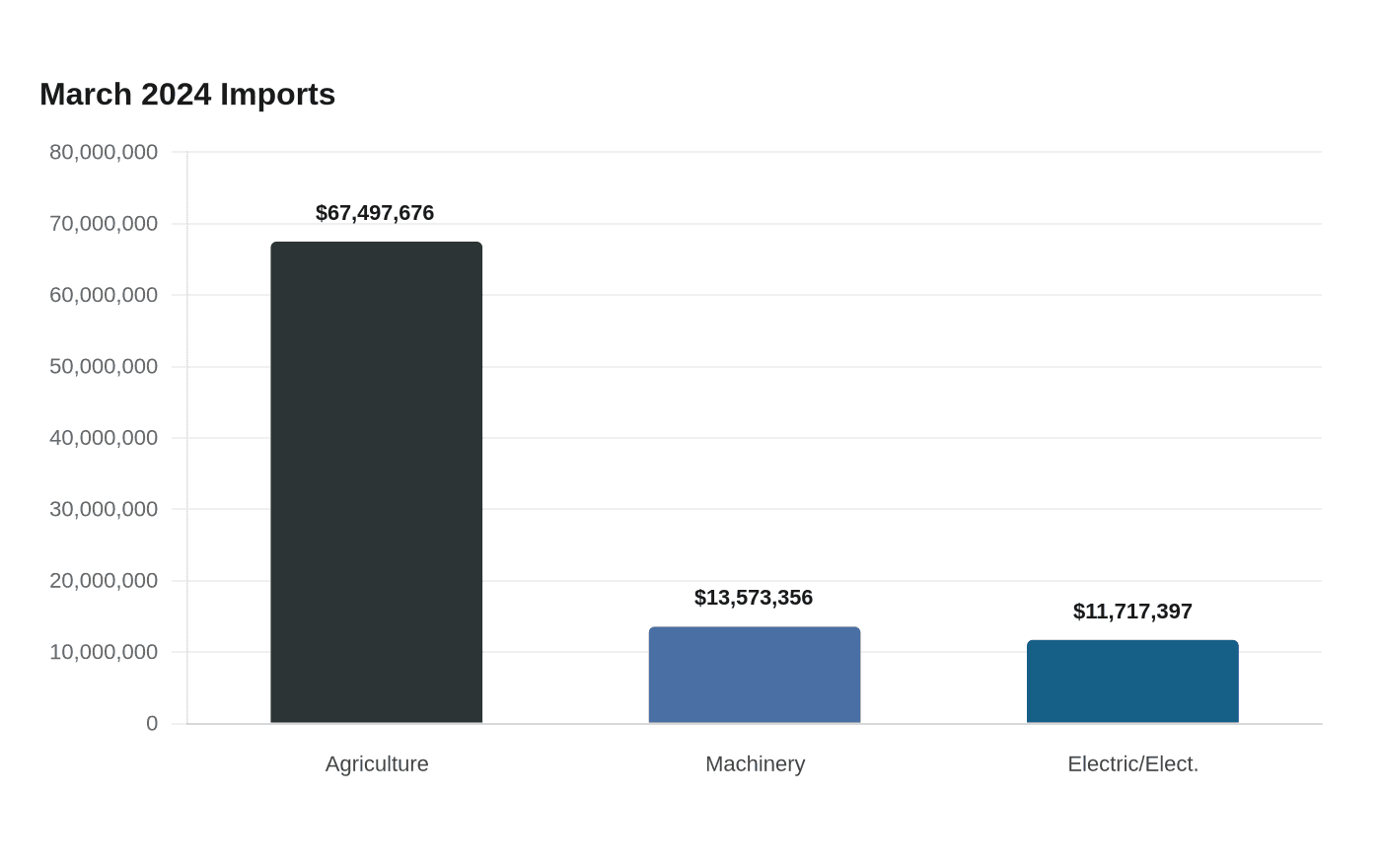
Greater Yuma Port Authority says the port handled $115,332,906 in imports in March 2024, including $67,497,676 in agricultural products, $13,573,356 in machinery and equipment, and $11,717,397 in electric and electronic manufacturing products. The crossing is already under pressure from broader infrastructure changes, including a plan to expand the vehicle entry from eight lanes to 16 lanes coming into the United States, while construction near the Arizona-Mexico border crossing near Yuma would create travel delays for four to five months.
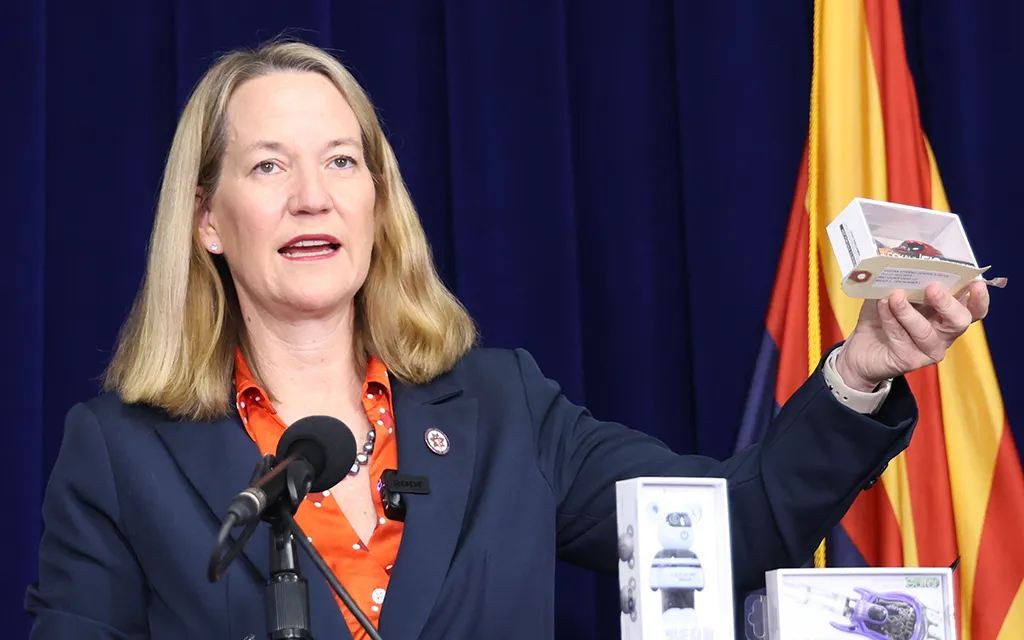
The Mexican consulate in Yuma, at 298 S Main St, serves applicants by appointment. Arizona Governor Katie Hobbs also visited Yuma, San Luis and Somerton in February 2023 and met with CBP, local officials, farmers and migrant health care providers.
This article was produced by Prism’s automated news system from verified source data, official records, and press releases, then run through automated quality and moderation checks before publishing. The system is built and supervised by the people who set the standards it runs under. Read our full AI policy.
Did this article answer your question?