Colorado River State Historic Park reveals Yuma's frontier supply hub
Yuma’s riverfront park preserves the depot that fed Army forts across the Southwest, showing how transport and river commerce made the city strategic.
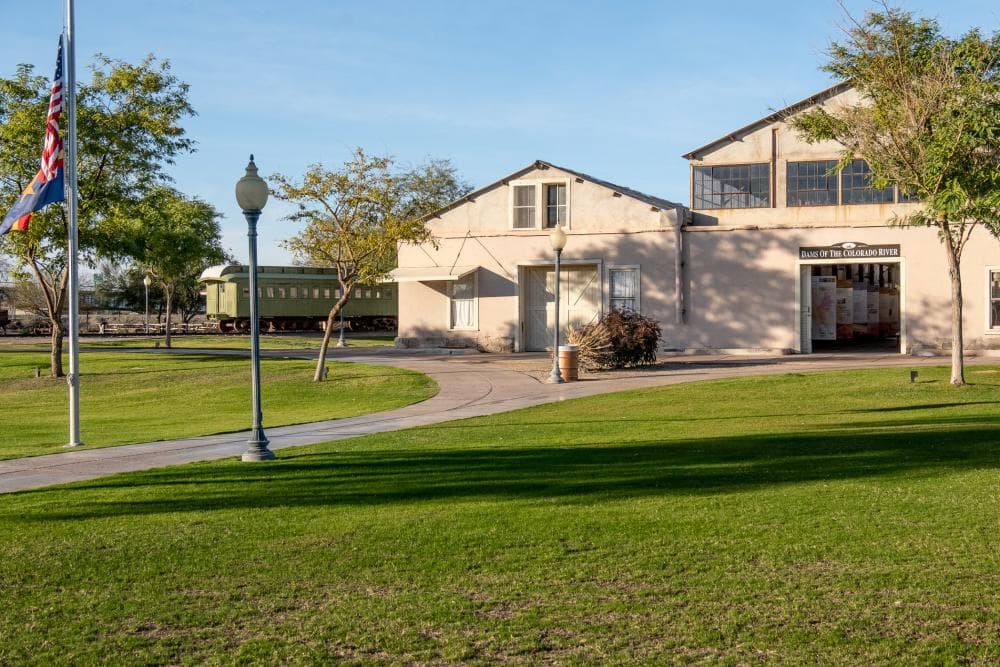
Colorado River State Historic Park turns Yuma’s riverfront into a readable map of how the city became a frontier supply hub. The site preserves the former U.S. Army Quartermaster Depot, where freight from California reached the mouth of the Colorado River by ocean steamer and then moved upriver to feed the region’s military outposts. That logistics chain tied Yuma to military power, river commerce, and settlement in a way that still explains the county’s place in the Southwest.
Why the depot mattered
The original Yuma Quartermaster Depot was established in 1864 and operated from 1865 to 1883. During the Indian Wars, it served as the main supply depot for Army forts in Arizona Territory, which made the Colorado River crossing one of the most important transportation points in the region. One account broadens that reach even further, saying the depot supplied posts in Arizona, New Mexico, Nevada, southern Utah, and West Texas.
That scope is the point. Yuma was not simply a stop on the river; it was the handoff point where imported goods changed from coastal shipping to river transport and then to overland military use. Supplies arriving by steamer at the mouth of the Colorado River had to move through Yuma, and that made the town a practical gateway between the Pacific coast and the interior Southwest.
For Yuma County today, that history explains why transportation has always been more than a background issue. The same geography that made the depot useful in the 1860s and 1870s still shapes the county’s identity now: river access, corridor traffic, and the ability to move goods efficiently remain central to how people understand Yuma’s role in Arizona.
What the park preserves
Colorado River State Historic Park was opened and dedicated in 1997, a relatively recent preservation effort compared with the 19th-century story it interprets. The park’s history page credits Charles R. Eathe with that opening note, underscoring that the site was intentionally created as a public history space rather than left as a forgotten remnant of the depot era. It exists to save the remaining historic buildings and turn them into an educational asset for the community.
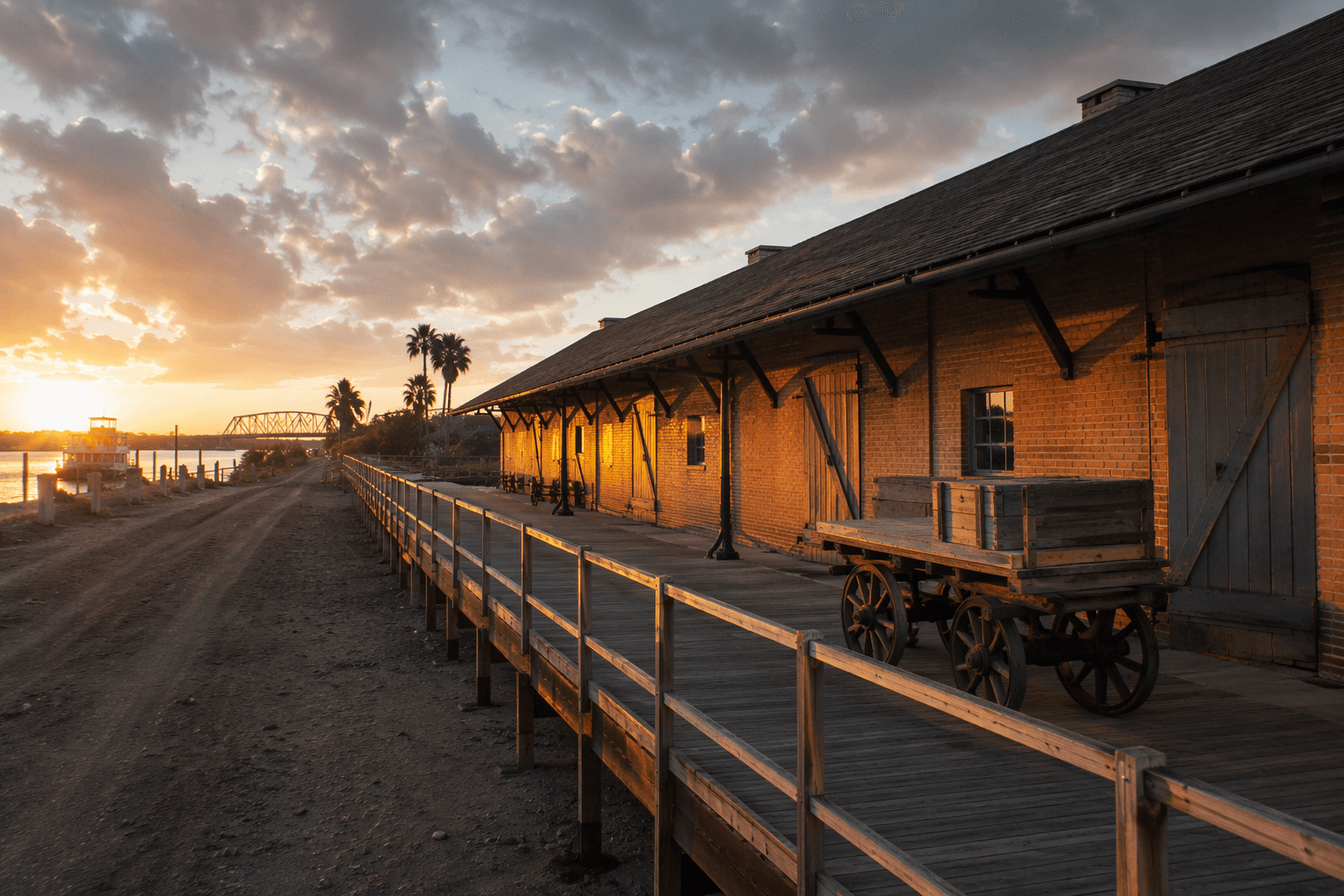
The park’s earlier identity also tells its own story. For almost 10 years, it operated as Yuma Crossing State Historic Park before park staff, under Park Manager Gerry Emert, requested a name change that better reflected the site’s original function and interpretive focus. The current name is more than branding: it points visitors back to the quartermaster depot itself and the river crossing that made the site valuable in the first place.
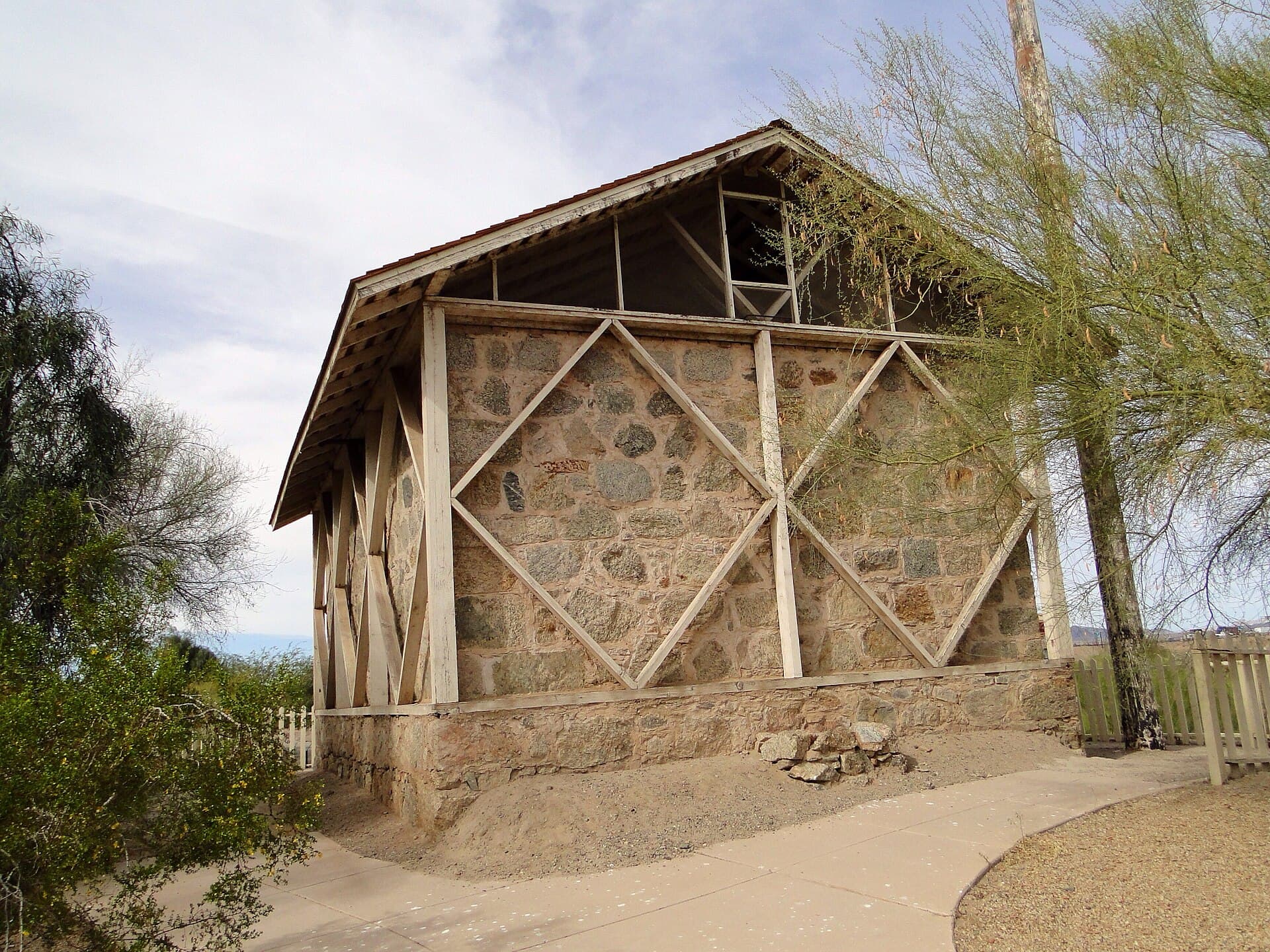
What remains on the grounds gives visitors a tangible sense of that working landscape. The park includes restored historic buildings, museum exhibits, open grounds, and a covered wagon display. Instead of treating frontier history as abstract, the site lets people see the physical setting where military supply, river transit, and settlement logistics overlapped.
Why it still matters to Yuma County
The strongest reason to care about the park now is that it preserves evidence of how Yuma became a strategic city, not just a scenic one. The depot story shows that Yuma’s early importance came from infrastructure and location as much as from agriculture or tourism. In other words, the county’s long-term economic identity has always rested on movement: moving soldiers, moving freight, and moving goods through a difficult desert corridor.
That makes the park useful far beyond casual sightseeing. Students can connect the site to Arizona Territory history, local residents can see how the Colorado River crossing shaped development, and researchers can trace how military logistics influenced the growth of Yuma as a community. The park turns an old supply depot into a way of understanding why Yuma still occupies a distinctive place in the state’s geography.
The Colorado River Research Library adds another layer to that value. It gives the park a research role, not just a tourism role, and makes it a useful stop for genealogists, educators, and anyone studying the Colorado River corridor. For a county where water, transport, and border movement still define daily life, that kind of local archive matters.
A field trip site with a wider reach
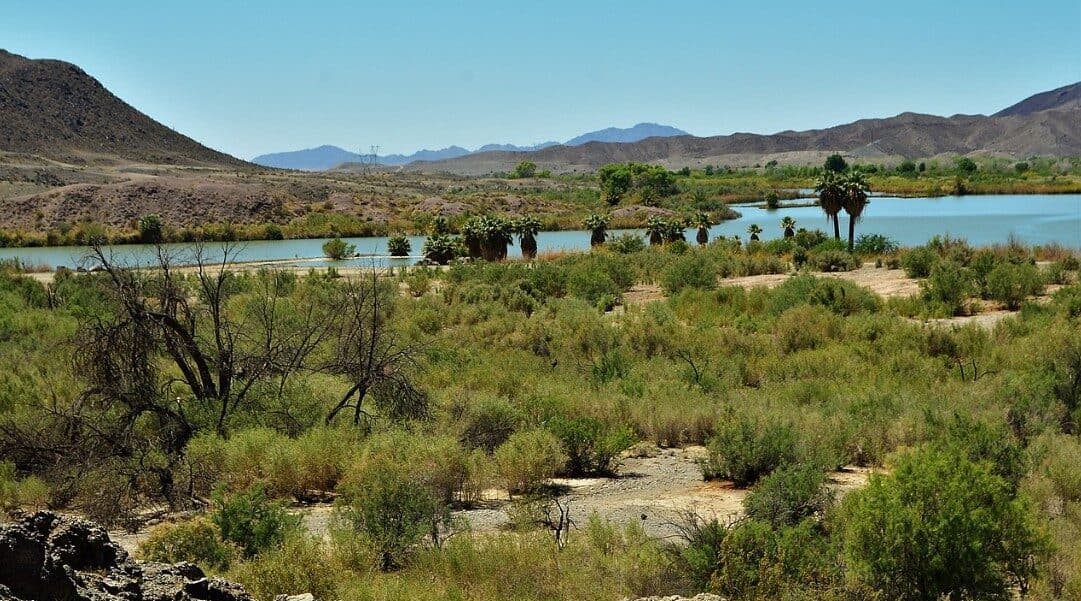
Arizona State Parks also uses the site as an educational destination for kindergarten through 8th grade. Its field trip programs cover both the cultural and natural history of the area and are aligned with state education standards, with visits that include the Colorado River State Historic Park and the Yuma East Wetlands. That pairing is especially effective in Yuma, because it links the old river crossing to the restored riverfront landscape that surrounds it today.
The educational angle makes the park part of Yuma County’s present, not just its past. Children who visit can see how the river corridor shaped military supply lines, while also learning how wetlands, habitat, and public history fit into the modern riverfront. It is a direct way to connect the old depot economy to the living landscape that still frames the city.
Visitor basics
The park and Visitor Center are closed on Thanksgiving and Christmas. Outside those holiday closures, the site offers enough in one place to make a visit worthwhile: the preserved depot setting, the museum exhibits, the covered wagon display, and the research library all help explain how Yuma became a frontier supply hub.
Colorado River State Historic Park matters because it makes a hard-to-see part of Yuma’s history visible again. The depot’s surviving buildings show how the city grew from a river crossing into a strategic node in the Southwest, and that lesson still helps define Yuma County’s economic and historical identity.
This article was produced by Prism’s automated news system from verified source data, official records, and press releases, then run through automated quality and moderation checks before publishing. The system is built and supervised by the people who set the standards it runs under. Read our full AI policy.
Did this article answer your question?