Mittry Lake offers rare wetland habitat, camping and birdwatching in Yuma County
Mittry Lake packs fishing, camping and rare bird habitat into one Yuma County wetland, and camping limits now shape how long you can stay.
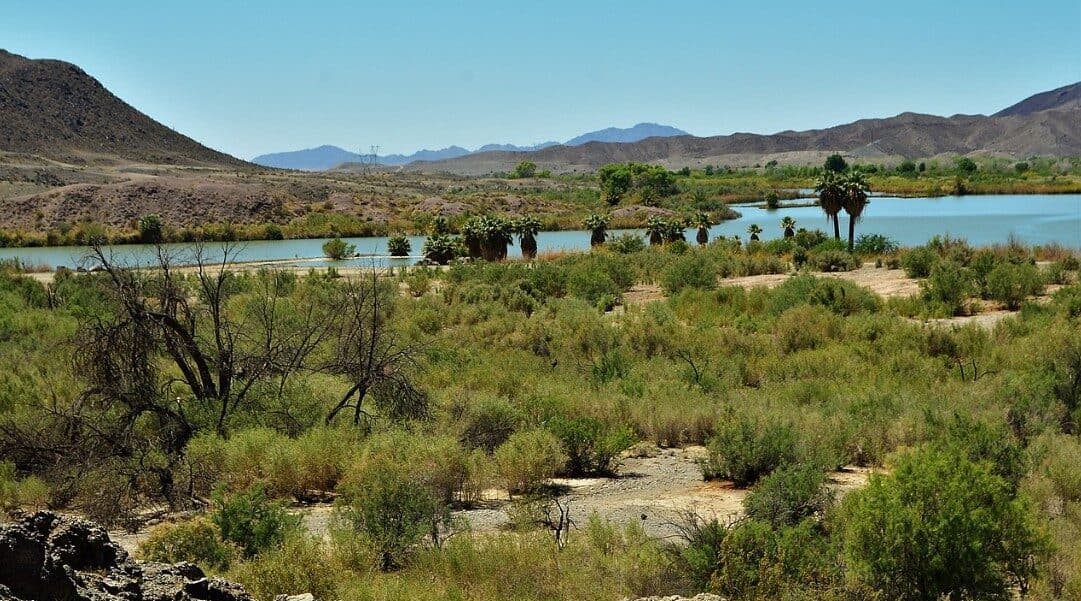
Mittry Lake is one of the few places in Yuma County where a quick day trip can feel like a visit to a true wetland system. The site combines open water, marsh, upland and desert-edge habitat, and that mix is exactly why it matters to anglers, campers and birders who share the same narrow band of shoreline.
What makes Mittry Lake different
The Mittry Lake Wildlife Area includes about 600 acres of surface water and 2,400 acres of marshes and uplands. The Arizona Wildlife Conservation Strategy identifies it as a critical wetland habitat in the Lower Colorado River network, especially for migratory birds in winter, which gives the area a conservation value that goes well beyond recreation.
That status is reinforced by multiple birding and wildlife designations. Arizona Important Bird Areas identifies Mittry Lake State Wildlife Area as an Important Bird Area, and the Arizona Game and Fish Department’s Mini Plan for the site lists Tier A birds that include Western Yellow-billed Cuckoo, Bald Eagle, Southwestern Willow Flycatcher, Yuma Ridgway’s Rail, Gilded Flicker and California Black Rail. eBird also treats Mittry Lake as a hotspot managed by the Arizona Game and Fish Department and the Bureau of Land Management, a sign that serious birders already regard the place as more than a casual stop.
What you can do there
Mittry Lake is built for low-key outdoor use. Arizona Game and Fish says the area offers fishing, wildlife viewing, hiking, boating and hunting, and notes that the site includes open lakes, cattail marshes and streamside woodlands. That habitat mix is what makes the lake useful for a wide range of visitors: boaters get water access, anglers get productive shoreline, and birders get a landscape with marsh edges, cover and open sky.
The Arizona Birding Trail says Mittry Lake is just 30 minutes northeast of Yuma, which helps explain why it remains one of the county’s most practical wildlife destinations. For residents in Yuma, Somerton, San Luis or the Foothills, it is close enough for an early start and far enough away to feel like a break from the city grid.
- fishing along marshy edges and open water
- boating on the lake itself
- wildlife viewing in cattails, riparian cover and desert margins
- camping close to the water
- hunting in season, where allowed under applicable rules
A useful way to think about the place is by the kind of experience it offers:
Getting there and finding the site
Recreation listings place Mittry Lake Wildlife Area at Laguna Dam Road, Yuma, AZ 85365, near coordinates 32.820273, -114.471862. It is reached off Highway 95 east of Yuma, and its position in the Colorado River floodplain between Laguna Dam and Imperial Dam gives the lake its unusual shape and setting.
Recreation.gov describes the lake as lying in and adjacent to the floodplain of the Colorado River between the two dams, with much of the shoreline covered in cattails and bullrush. That is a reminder that the lake is not a remote wilderness reservoir tucked deep in the mountains; it is a managed water landscape sitting inside one of the Southwest’s most heavily engineered river corridors.
Camping rules now matter more
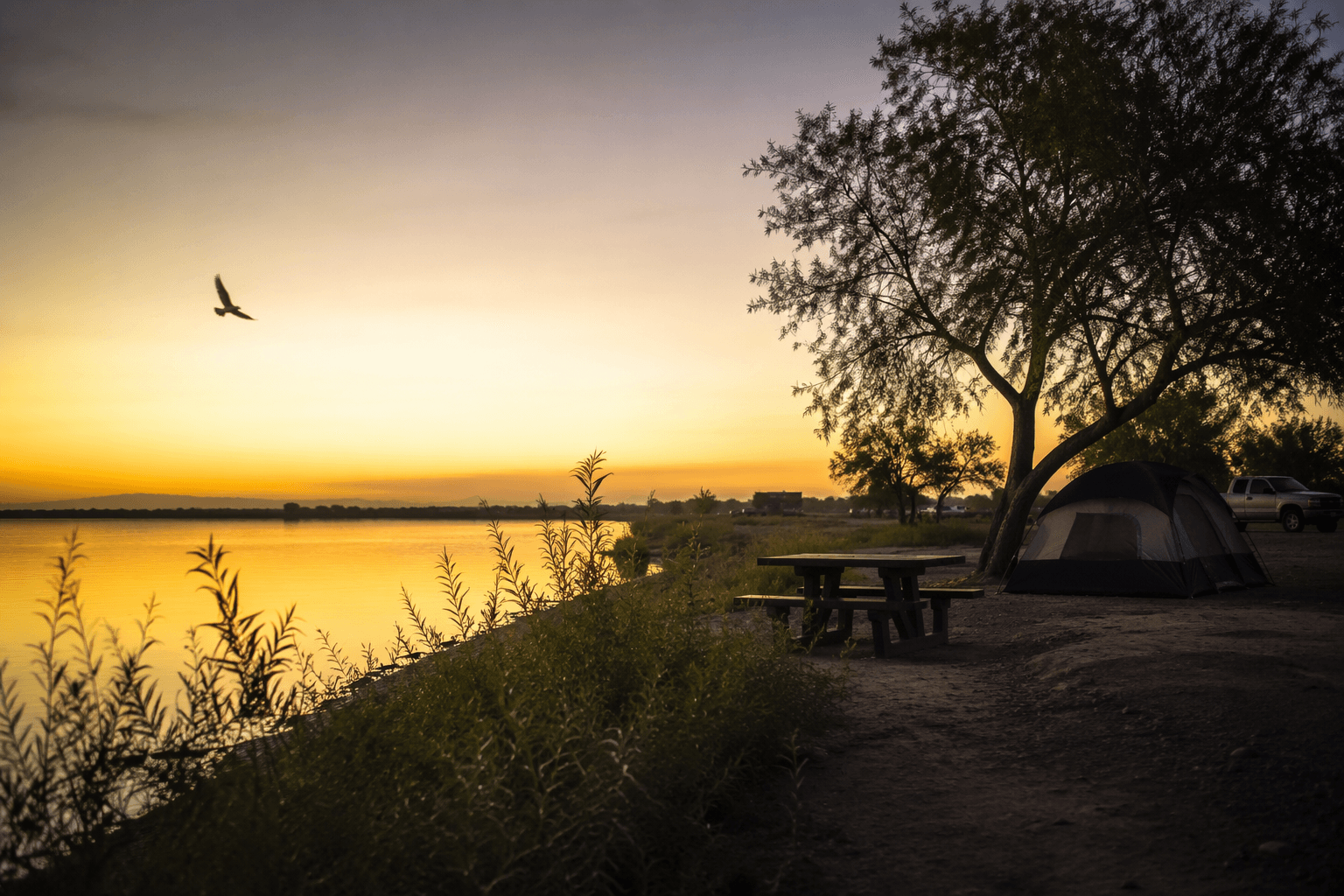
Camping at Mittry Lake changed in a way that affects how people actually use the site. In 2025, the Bureau of Land Management and partners adopted a unified camping limit of 14 days within a 28-day period, replacing the old 10-days-per-calendar-year rule. A Bureau of Land Management Arizona post said the change would begin Nov. 1, and the newer rule gives visitors more flexibility while still limiting long-term occupation of the site.
That kind of rule matters because Mittry Lake is popular enough that unmanaged camping pressure could damage the marsh edge, strain access and undercut the quiet conditions that make the area attractive in the first place. The limit is one of the clearest signs that the lake is being managed for shared use, not just casual overnight stays.
Why birders set the alarm early
Mittry Lake’s birding reputation comes from both official habitat designations and what birders see on the ground. The Arizona Wildlife Conservation Strategy singles out the site for migratory birds in winter, while the site’s Mini Plan names several high-priority species tied to the habitat. Birders have also reported hearing rare Black Rails before sunrise, which makes early morning the best time to be there if birdwatching is the main goal.
The common bird list is strong even beyond the rare species. Arizona Game and Fish materials note black-crowned night-heron, green heron, great blue heron, great egret, snowy egret, osprey and western grebe among the birds associated with the area. That mix reflects the broader ecological role of the lake: it functions as a stopover, feeding ground and shelter in a county where true wetlands are scarce.
A lake shaped by water development and restoration work
Mittry Lake is also tied to the larger story of Yuma’s water system. Bureau of Reclamation material connects the area to the Yuma Project through the Yuma Main Canal, which was originally called the California Main Canal. Recreation.gov says the lake has undergone rehabilitation work including marsh dredging, revegetation and fish habitat improvement, showing that the site is not static but actively managed.
A Bureau of Land Management environmental assessment for the North Shore Access Project, dated April 2018, is another sign of that ongoing work. Access and habitat are being adjusted together, which is exactly the challenge at Mittry Lake: keep it open for fishing, boating and camping without losing the marsh conditions that make it valuable in the first place.
That balance is what defines the site. Mittry Lake is close to Yuma, easy to reach and useful for recreation, but it is also one of the county’s most important wetland habitats, and the rules, access points and restoration work around it all exist to keep both uses alive.
This article was produced by Prism’s automated news system from verified source data, official records, and press releases, then run through automated quality and moderation checks before publishing. The system is built and supervised by the people who set the standards it runs under. Read our full AI policy.
Did this article answer your question?