Colorado River Water Talks Stall, Putting Yuma Farmers at Risk
Yuma farmer Matt McGuire fears "a complete disaster" as stalled Colorado River talks threaten the county's 170,000 vegetable acres and all of its drinking water.
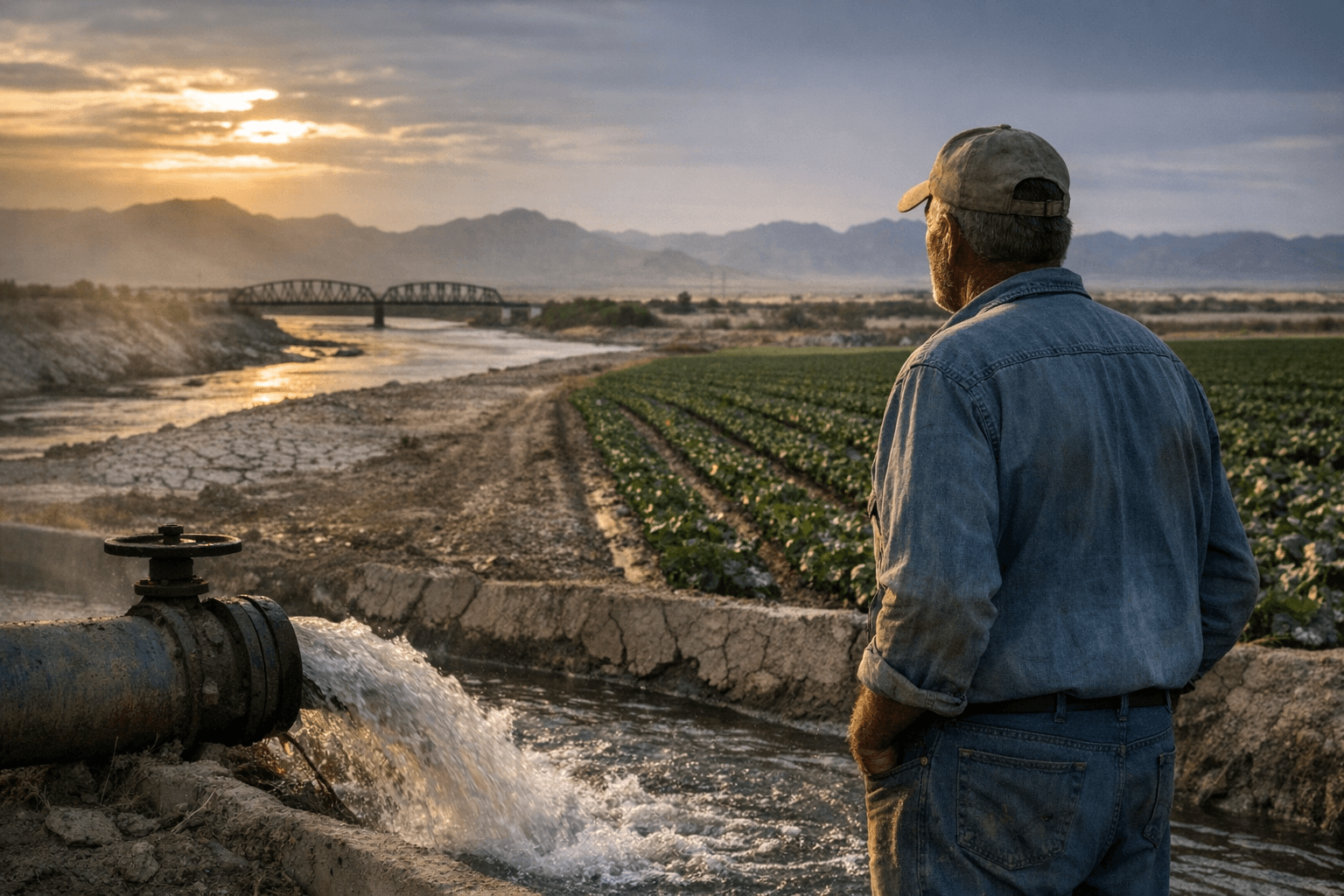
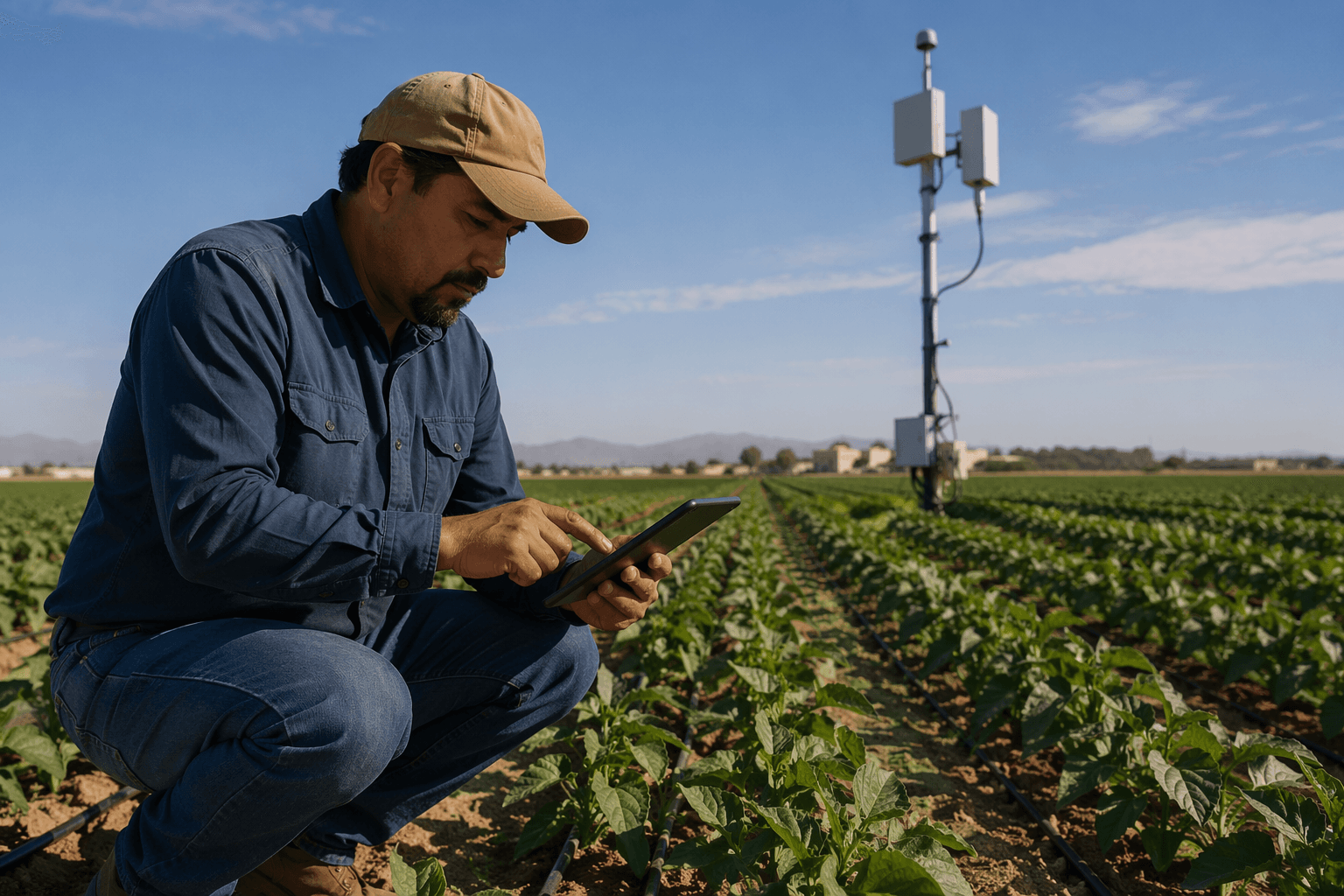
With 170,000 of Yuma County's roughly 210,000 farmland acres planted in vegetables, farmer Matt McGuire watched negotiations over the Colorado River's post-2026 future drag on without resolution. As the rules governing water distribution among seven basin states neared expiration and talks remained stalled, McGuire put his worst case plainly.
"We might have a complete disaster along the river. That would be my fear," he said.
The federal government has been weighing how Colorado River water will be divided in the years ahead, even as long-term drought continues to shrink the river. For Yuma, nicknamed the "Winter Lettuce Capital of the World," the outcome is anything but abstract: the Colorado River supplies every drop of the city's drinking water and feeds the large canal system that irrigates farms across the county.
McGuire said even growers who hold some of the oldest and strongest water rights on the river were not resting easy. His concern centered on what happens if federal agencies begin reallocating water without honoring existing priority rights.
"If they start allocating the water as they see fit, it might be hard to undo that," McGuire said. "Like if they give the cities priority, over the people who have water rights now."
The ripple effects would extend well beyond Yuma's fields. McGuire put the county's national reach in a single sentence: "More than likely, if you're eating a leafy green, you're eating something that came from Yuma right now."
Mayor Doug Nicholls and the Yuma City Council responded by sending formal comments to the U.S. Bureau of Reclamation, the federal agency that oversees key Colorado River infrastructure and could ultimately decide allocations if Arizona and the other basin states fail to reach agreement. Nicholls said the discussions have been underway for years, but urgency has grown sharply.
"For quite a while now, we have been in water discussions because the rules that govern the distribution of water along the Colorado River to the seven states that pull water from it are expiring," Nicholls said.
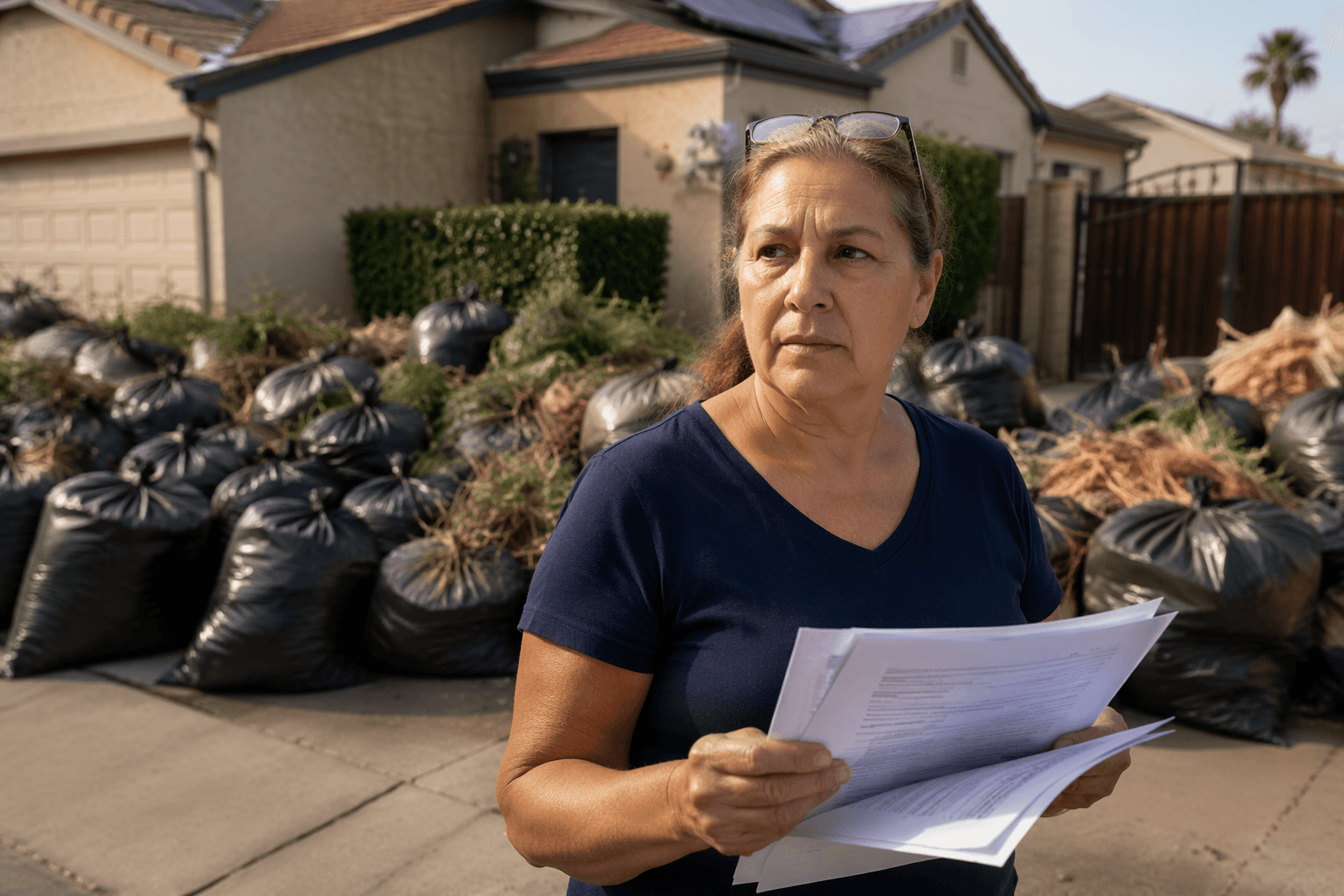
He warned that any changes could hit Yuma harder than most Arizona communities, since the city depends on the river for all of its drinking water in addition to its agricultural base. Central to the city's concern is Yuma's "priority" status as a river user, a long-standing system that puts some users ahead of others when supplies tighten. Nicholls said he worried that larger communities could push to dismantle that structure.
Resident Dana Jones, speaking to reporters in the city, framed the stakes in unambiguous terms. "Keep it flowing so we have access to it, not shipping everywhere," Jones said. "We should be first, not everyone else that it doesn't flow through their state or next to their city. You know, where water flows, food grows."
Yuma's identity has long been inseparable from that lettuce harvest; the city once dropped a head of iceberg lettuce to ring in the new year. Whether that agricultural legacy survives the current impasse depends on a Colorado River agreement that, as of now, still does not exist.
This article was produced by Prism’s automated news system from verified source data, official records, and press releases, then run through automated quality and moderation checks before publishing. The system is built and supervised by the people who set the standards it runs under. Read our full AI policy.
Did this article answer your question?