Consulting firm convenes Yuma providers to address healthcare changes
Yuma’s 220,310 residents could feel the squeeze in primary care, referrals and costs as providers confront a countywide doctor shortage and new training pipelines.
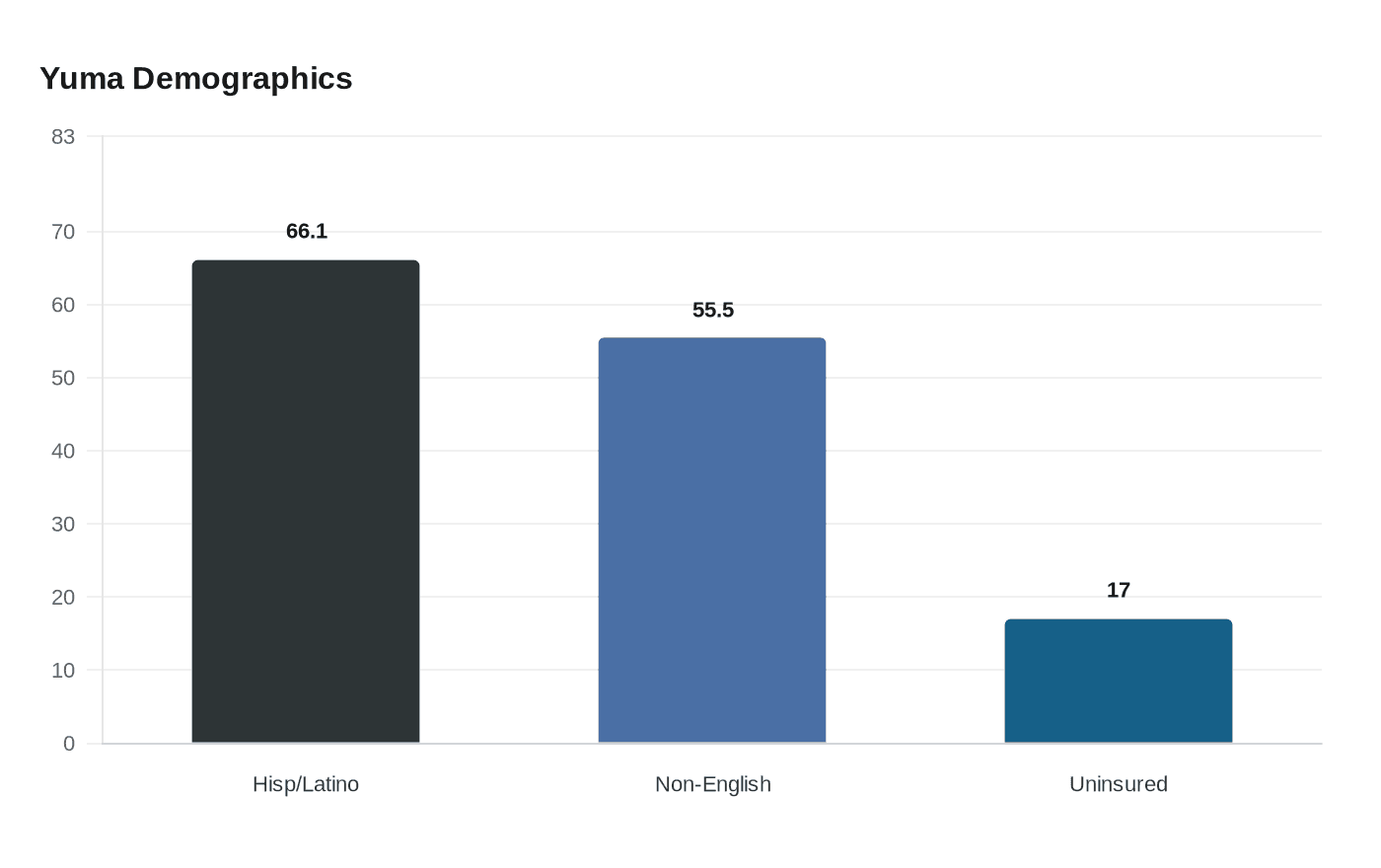
Yuma families already live with a health system under strain: 220,310 residents, a county that is 66.1% Hispanic or Latino, 55.5% of people age 5 and older speaking a language other than English at home, and 17.0% of residents under 65 uninsured. Against that backdrop, a consulting firm brought local providers together to talk through changes in healthcare that could shape how quickly patients are seen, where they are sent, and how much care costs.
The pressure point is primary care. In October 2023, Yuma Regional Medical Center said Yuma County needed about 30 to 40 primary care physicians, while Arizona needed more than 600. That shortage helps explain why health leaders have spent years trying to grow the local workforce instead of relying on outside recruitment alone. It also means a routine appointment can turn into a longer wait, a referral can take more back-and-forth, and patients without strong insurance coverage can end up delaying care until a problem becomes urgent.

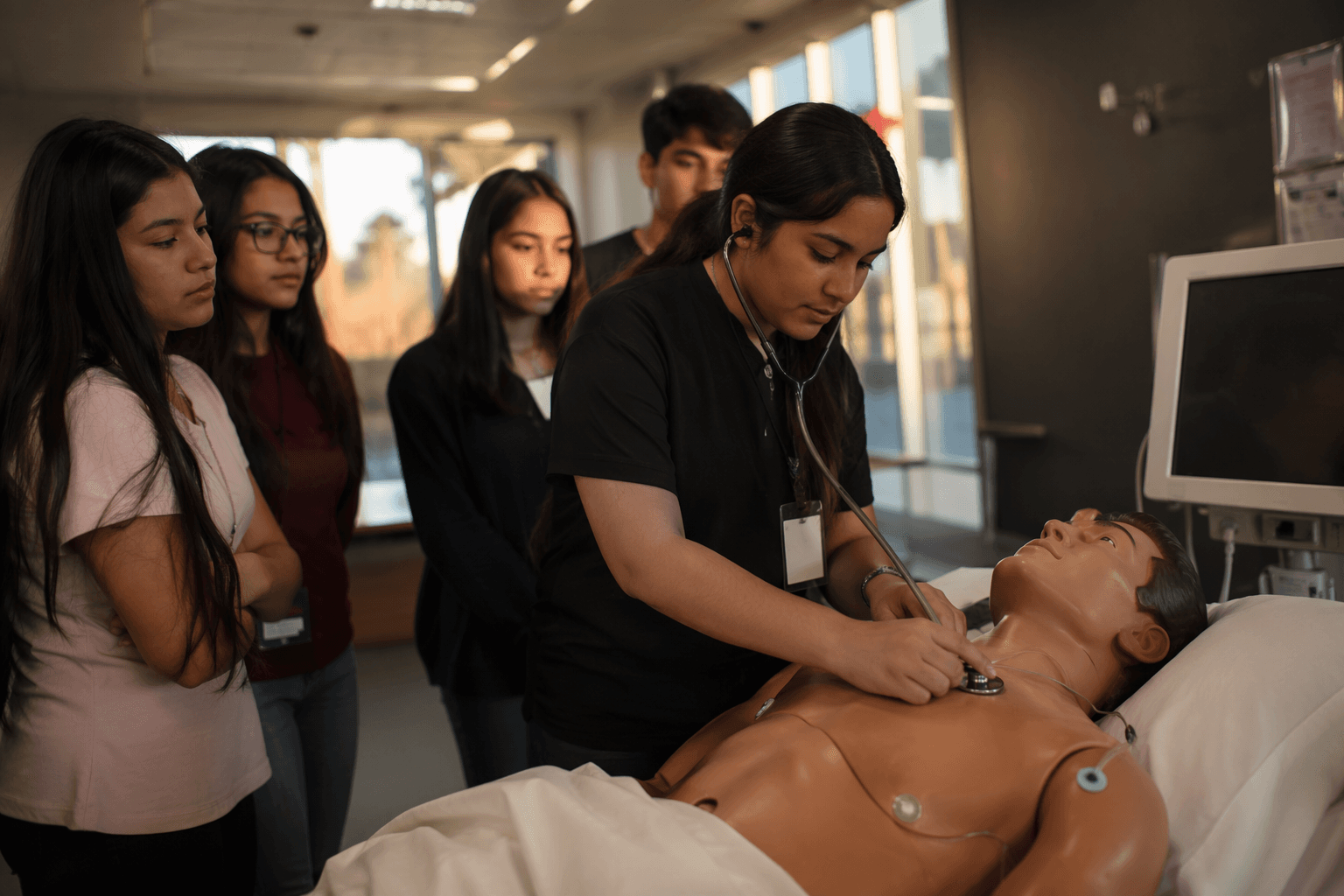
One of the clearest responses came in December 2025, when the University of Arizona College of Medicine - Phoenix and Onvida Health announced Arizona’s first rural regional medical school branch in Yuma County. The planned program is a three-year primary care track expected to enroll about 15 students each year, with clinical training based in Yuma. Onvida Health has said the partnership is meant to address the severe physician shortage facing rural Arizona, and it builds on the Family & Community Medicine Residency Program Yuma Regional Medical Center started in 2013, when the county was designated a Health Provider Shortage Area.
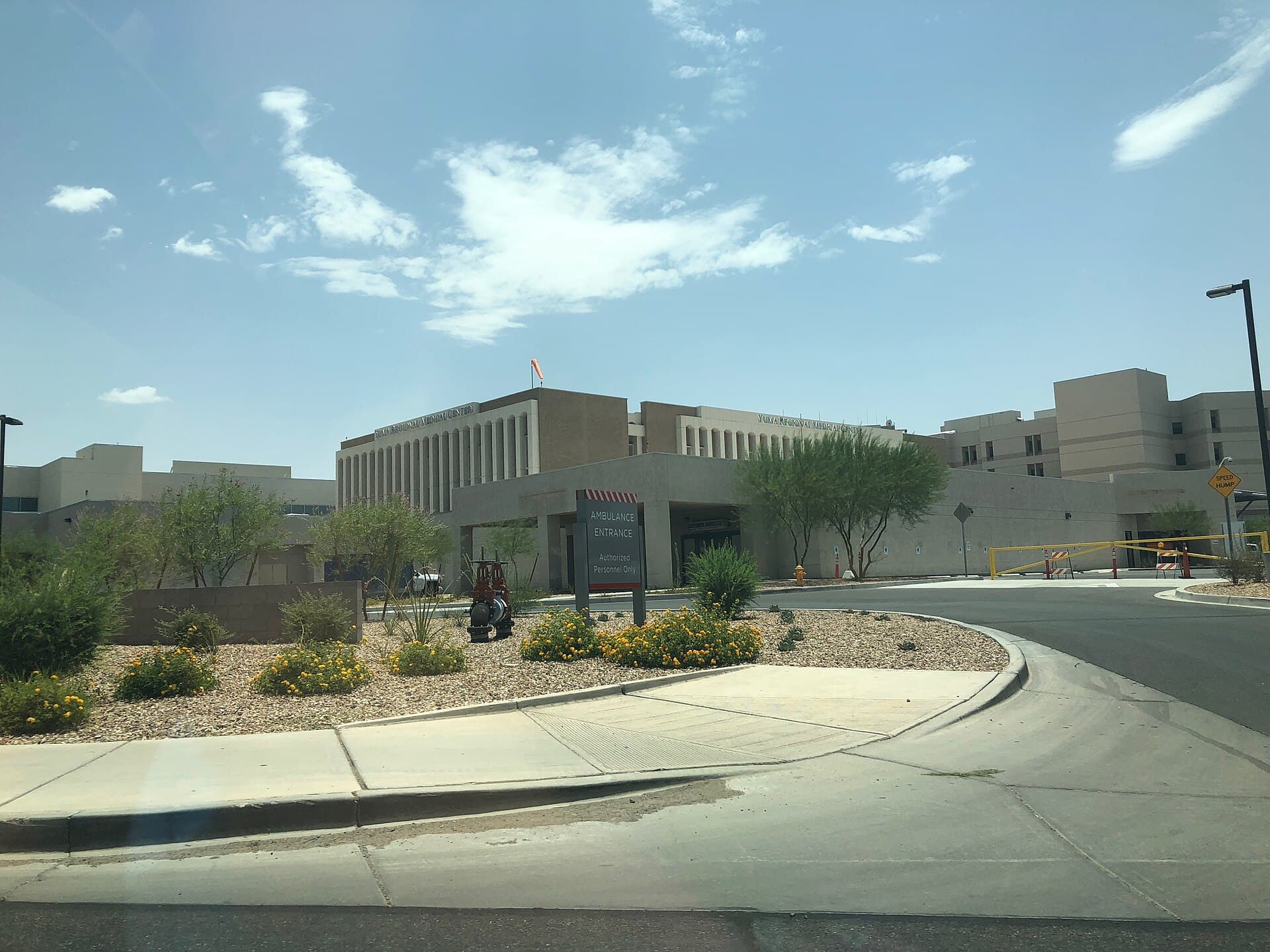
The county’s safety net is already carrying much of the burden. Yuma County Health Services District provides immunizations, WIC, STD services, tuberculosis services and emergency preparedness. Regional Center for Border Health, Inc. says it supports uninsured and vulnerable residents with vocational and educational services. In a county where more than half of residents speak a language other than English at home, that kind of support can determine whether a patient gets help quickly or falls through the cracks.
The practical question for the next year is whether that coordination can reduce the friction patients feel now. If providers can link primary care offices, public health programs and referral partners more tightly, Yuma families could see fewer delays, fewer unnecessary trips, and a better chance of getting the right care before a small problem becomes a hospital bill.
This article was produced by Prism’s automated news system from verified source data, official records, and press releases, then run through automated quality and moderation checks before publishing. The system is built and supervised by the people who set the standards it runs under. Read our full AI policy.
Did this article answer your question?