DHS reports record-low border encounters, Yuma crossing numbers continue to fall
Yuma’s crossing traffic has thinned to near-empty stretches, while federal data show record-low encounters and zero releases for 11 straight months.
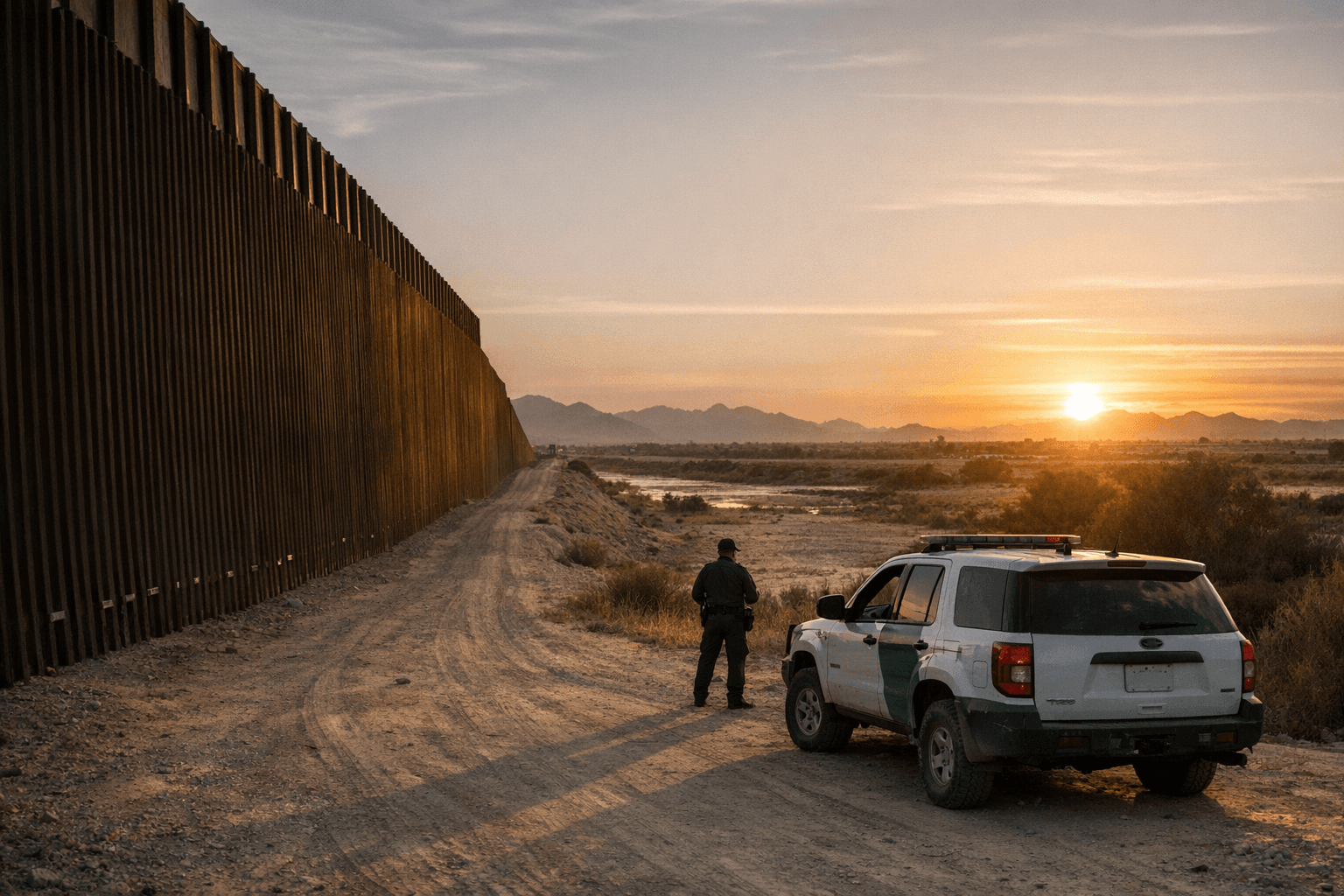
Yuma’s border has changed so sharply that Border Patrol was averaging about three apprehensions a day across 126 miles of frontier, down from the crush that once sent more than 250,000 people through the Yuma Sector over three years. In February 2025, agents recorded just 243 apprehensions locally, a 99% drop from December 2022, and Mayor Doug Nicholls said the slowdown felt like “a sigh of relief” after the city declared a local emergency in December 2021 during an “unprecedented surge.”
That local decline mirrored a broader federal trend. The U.S. Department of Homeland Security said April 9 that border encounters in the first six months of fiscal 2026 were the lowest in recorded history. U.S. Customs and Border Protection said its southwest border data combine Title 8 apprehensions, Title 8 inadmissibles and, historically, Title 42 expulsions, all pulled from live agency systems. DHS also said Border Patrol had gone 11 straight months with zero releases at the southern border.
March underscored how far the numbers have fallen. CBP said southwest border apprehensions totaled 8,268 in March 2026, 97% below the December 2023 peak and 90% lower than the 33-year monthly average. DHS said daily apprehensions in March were 95% lower than under the Biden administration. CBP had already said in January that first-quarter southwest border apprehensions in fiscal 2026 were the lowest ever for a first quarter, showing the slowdown started before the six-month mark.
In Yuma County, the impact has gone well beyond the count at the fence line. Somerton Cocopah Fire Department Chief Javier Hernandez said migrant 911 calls had strained ambulances, delayed response times for county residents and created reimbursement problems for his department. Those pressures helped make the border a local public-safety issue, not just an immigration statistic.
County leaders have kept spending on enforcement even as the crossing numbers fell. In February, the Yuma County Board of Supervisors approved more than $1 million for the Yuma County Sheriff’s Office to expand capabilities tied to drug trafficking, human smuggling, illegal immigration and related crimes.
The region’s economy also keeps Yuma tied to the border. Local agricultural leaders say the county relies on about 45,000 farmworkers in peak months, including roughly 15,000 people who cross daily for work and about 8,000 workers in the H-2A program. For growers, law enforcement and residents alike, the new normal in Yuma is not just fewer crossings, but a border landscape that now looks very different from the one that defined the county only a few years ago.
This article was produced by Prism’s automated news system from verified source data, official records, and press releases, then run through automated quality and moderation checks before publishing. The system is built and supervised by the people who set the standards it runs under. Read our full AI policy.
Did this article answer your question?