George Flores Jr. Builds Yuma Noize, New Stage for Local Artists
Yuma Noize is giving local singers, comics, and musicians a place to grow an audience in Yuma. George Flores Jr. is tying that new stage to a family history that runs through UpRoot.
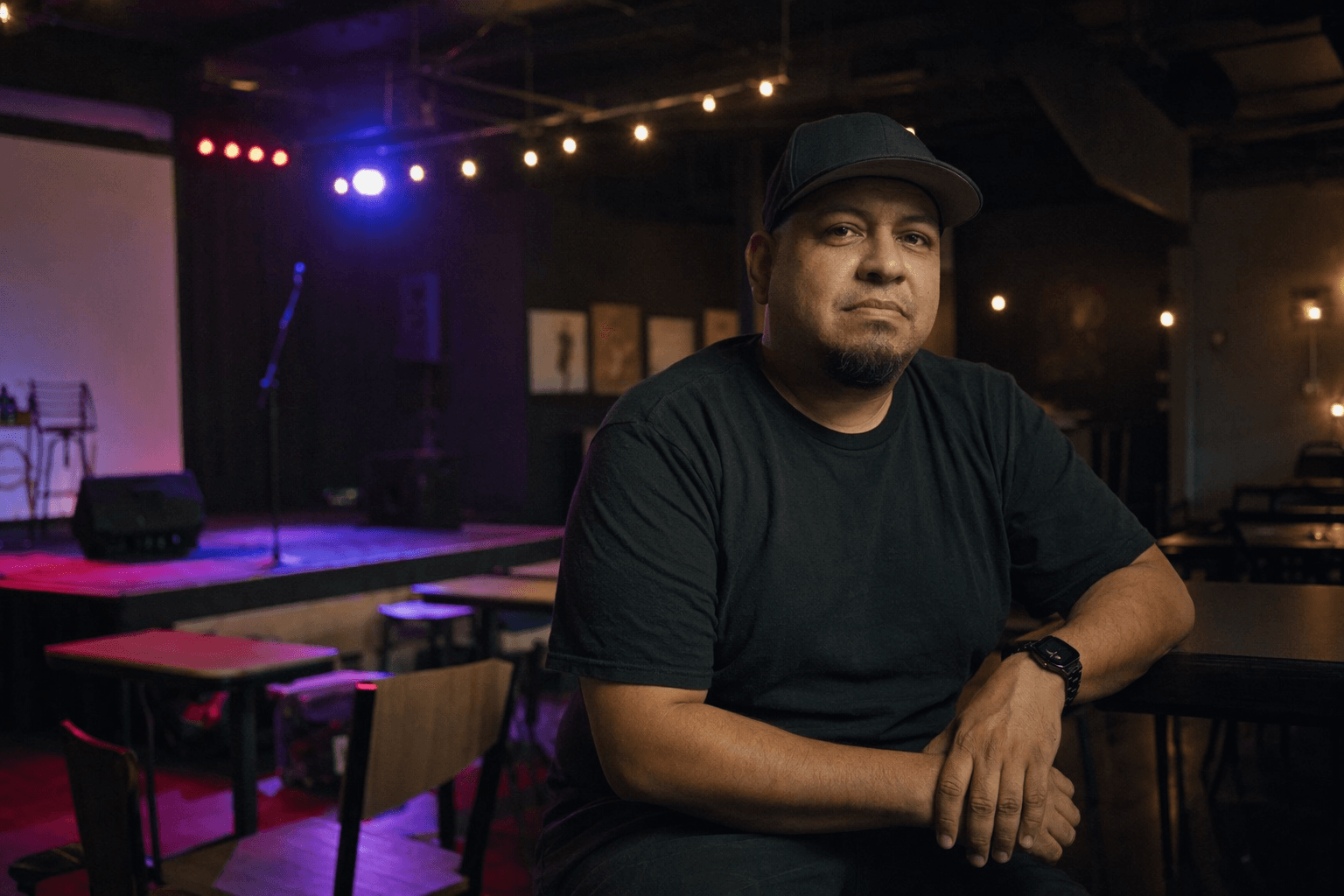
George Flores Jr. and the case for a real local stage
Yuma Noize is turning local performances into a repeatable stage for singers, comics, and musicians who want more than a one-night spot in front of friends. In a county where opportunities for live arts can feel scattered, the project matters because it creates a place where performers can test material, build an audience, and start turning talent into a visible local scene.
George Flores Jr. framed that effort through a KAWC conversation published April 30, 2026, and the timing matters because it shows a homegrown arts platform in motion, not as an abstract idea. The interview puts Yuma Noize at the center of that work, with local artist showcases in Yuma and open mic nights that welcome both singers and stand-up comedians.
A platform, not just an event
That distinction is the heart of the story. An occasional show can give someone a single night of attention; a recurring platform gives them something much more valuable: a place to return to, improve, and be seen by the same community again. For Yuma County, that is how a scene grows into an ecosystem, with artists, supporters, and curious residents all sharing the same room.
Yuma Noize also speaks to access. When larger venues are limited or hard to break into, open mics and showcases become the entry point where new acts can learn how to hold a room, find a following, and make their work legible to local audiences. That kind of access is not just cultural, it is economic, because a stage that draws people also creates a reason for them to spend time and money in the local arts space.
Roots that run through Yuma High and beyond
Flores Jr.’s credibility in that role comes from how long he has been around the Yuma scene. He grew up in it alongside his father, George Flores Sr., who is associated with the reggae band UpRoot, making this feel less like a recent project and more like the next chapter in a family and community tradition. The multigenerational link matters because it shows Yuma Noize emerging from a lived history, not from outside branding.
His creative life started early. Flores Jr. grew up with friends at Yuma High School filming skits and posting them on YouTube, which suggests he has been building a creative identity for years. One of those longtime friends is Eduardo Franco, the Yuma-born actor and comedian who played Argyle on Stranger Things, a detail that gives the story a recognizable pop-culture link without losing its local center.
Yuma High School itself is an established institution in the Yuma Union High School District, and that matters because so much of this story is about place-based creativity. The friendships, school ties, and family connections point to a local network that has been forming for years, long before Yuma Noize became the banner for it.
What UpRoot shows about the past
UpRoot gives the clearest historical backdrop for what Flores Jr. is building now. The band says it was formed in Yuma in 1997 by three brothers and three friends, and it released its first album, *We Belong Together*, in spring 2000. Its early years included touring throughout the southwest United States, which shows that Yuma-made music has already moved beyond city limits before.
The band also describes a long-running Thanksgiving-Eve tradition that has become one of Yuma’s favorite annual events. That kind of tradition is important because it proves the community will show up for local music when the event feels rooted, familiar, and worth returning to year after year. Flores Jr.’s work with Yuma Noize builds on that lesson: a scene survives when it has regular touchpoints, not just rare highlights.
Why Flores Jr.’s media background matters
Flores Jr. is not only a performer and organizer; he has also worked as editor for The New Vision, the newspaper for the Roman Catholic Diocese of Tucson, which includes Yuma and La Paz counties. That experience matters because local arts do not grow on stage alone. They also need people who understand how to tell a story, promote an event, and connect with an audience across different corners of the county.
That broader media background helps explain why Yuma Noize feels less like a hobby and more like infrastructure. A local arts scene needs the full chain: artists willing to take the mic, organizers willing to build the room, and communication that lets people know the room exists. Flores Jr. appears to be working at all three levels.
What Yuma Noize changes for Yuma County
The practical value of Yuma Noize is simple: it gives local artists somewhere to be seen and heard. For singers, stand-up comedians, and other performers, that can mean a first audience, a new booking, or the confidence to keep going. For Yuma County, it means more than entertainment, because a visible arts pipeline strengthens community life, keeps talent local longer, and makes cultural participation feel possible without leaving town.
It also changes the question Yuma residents have to ask about their arts scene. The issue is no longer whether talent exists. The question is whether the county has enough infrastructure to turn that talent into a sustainable local business, with audiences that keep coming back and performers who can eventually get paid for their work.
That is the real promise inside Yuma Noize. If the platform keeps giving local performers a place to grow, Yuma will not just have another event series. It will have a stronger arts economy, built from the ground up by people who already know this city’s sound, its history, and its audience.
This article was produced by Prism’s automated news system from verified source data, official records, and press releases, then run through automated quality and moderation checks before publishing. The system is built and supervised by the people who set the standards it runs under. Read our full AI policy.
Did this article answer your question?