Greater Yuma Port Authority pushes border infrastructure, trade growth in Yuma County
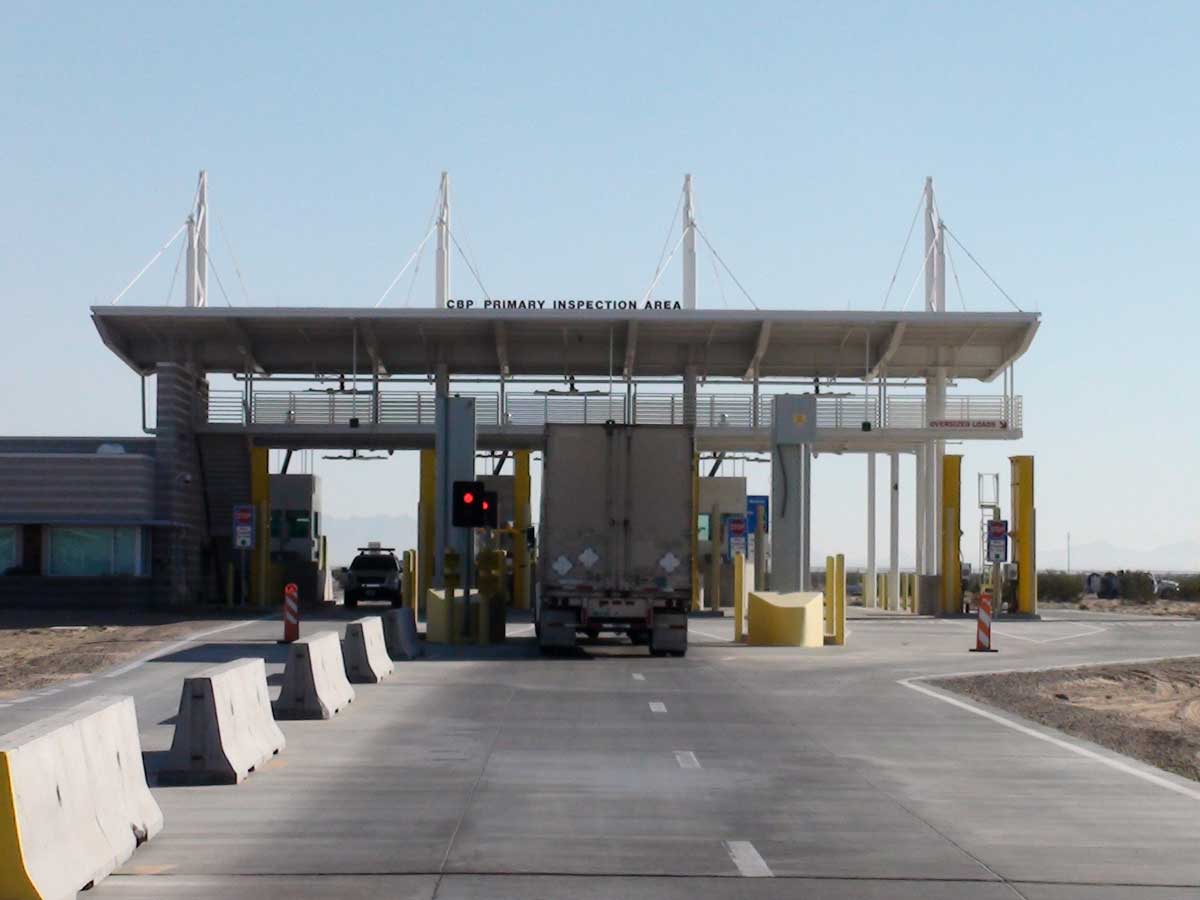
Border delays are now a countywide economic issue, and Yuma officials were told the San Luis trade corridor needs faster infrastructure to keep freight moving.
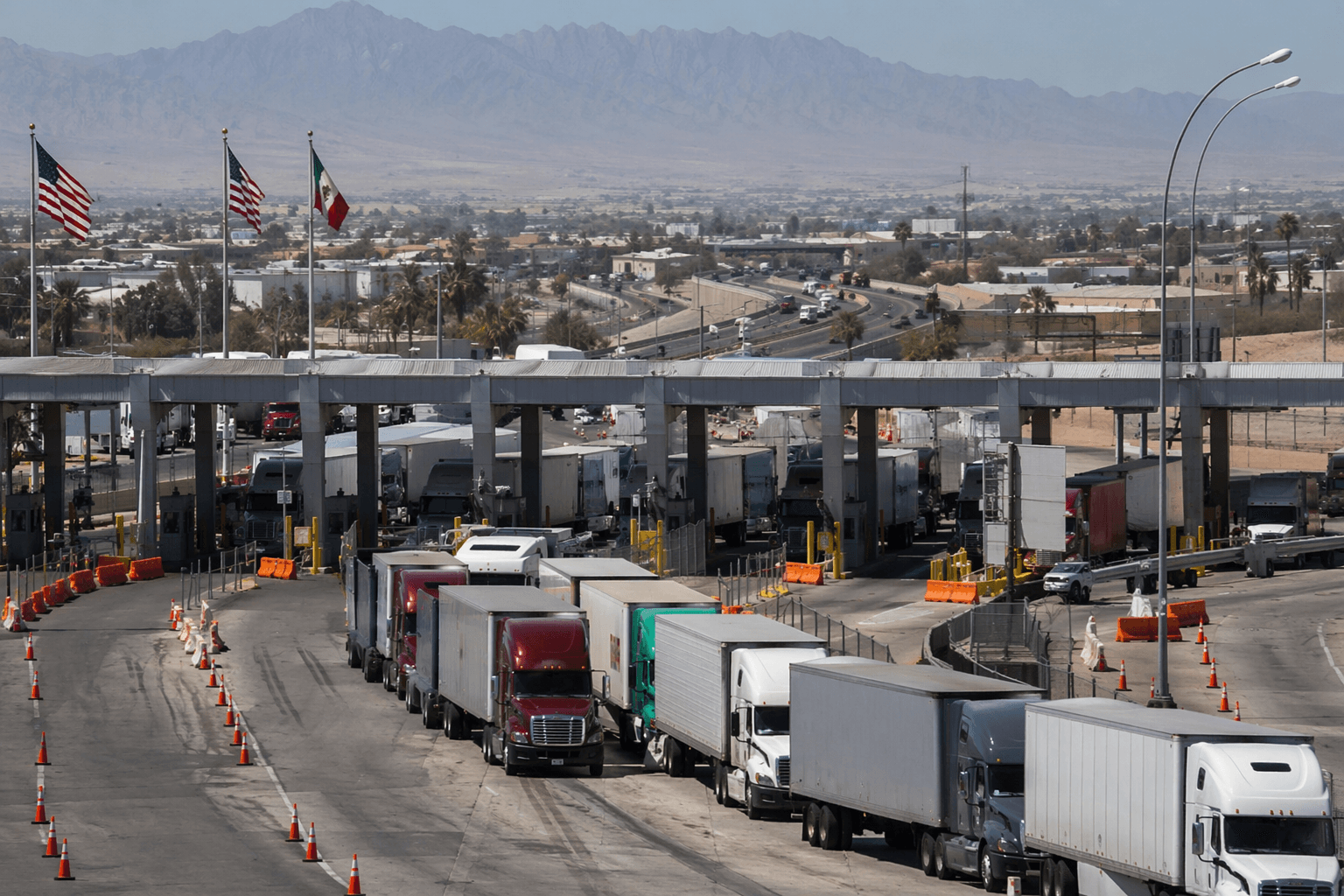
Delays at the San Luis II crossing ripple far beyond the border fence, slowing freight for growers, tightening delivery schedules for trucking firms and adding pressure to commuters and retail traffic across Yuma County. The Greater Yuma Port Authority used its June 1 update to the Yuma County Board of Supervisors to argue that the county’s competitiveness now depends on how quickly those bottlenecks are addressed.
Executive Director Buena George briefed supervisors as the port authority pushed modern border infrastructure, data-driven planning and industry outreach. Established in 2000 by regional leaders who saw Yuma County at a pivotal moment as an international trade corridor, the authority describes itself as the lead agency for developing global trade opportunities and multi-modal transportation links at the San Luis II commercial port of entry. Its board includes representatives from the City of San Luis, Yuma County, the City of Yuma and the Cocopah Indian Tribe, underscoring how much of the work reaches across city and tribal lines.
The traffic stakes are measurable. Bureau of Transportation Statistics data track inbound crossings for trucks, trains, buses, personal vehicles, passengers and pedestrians. Arizona-Mexico Economic Indicators says San Luis and Douglas are Arizona’s second-largest truck crossings after Nogales, a ranking that places Yuma County squarely inside the state’s busiest trade corridor. In September 2023, port authorities from Yuma, Nogales and Douglas signed a joint resolution to coordinate on cross-border issues, showing that local infrastructure pressures are now part of a wider Arizona border strategy.
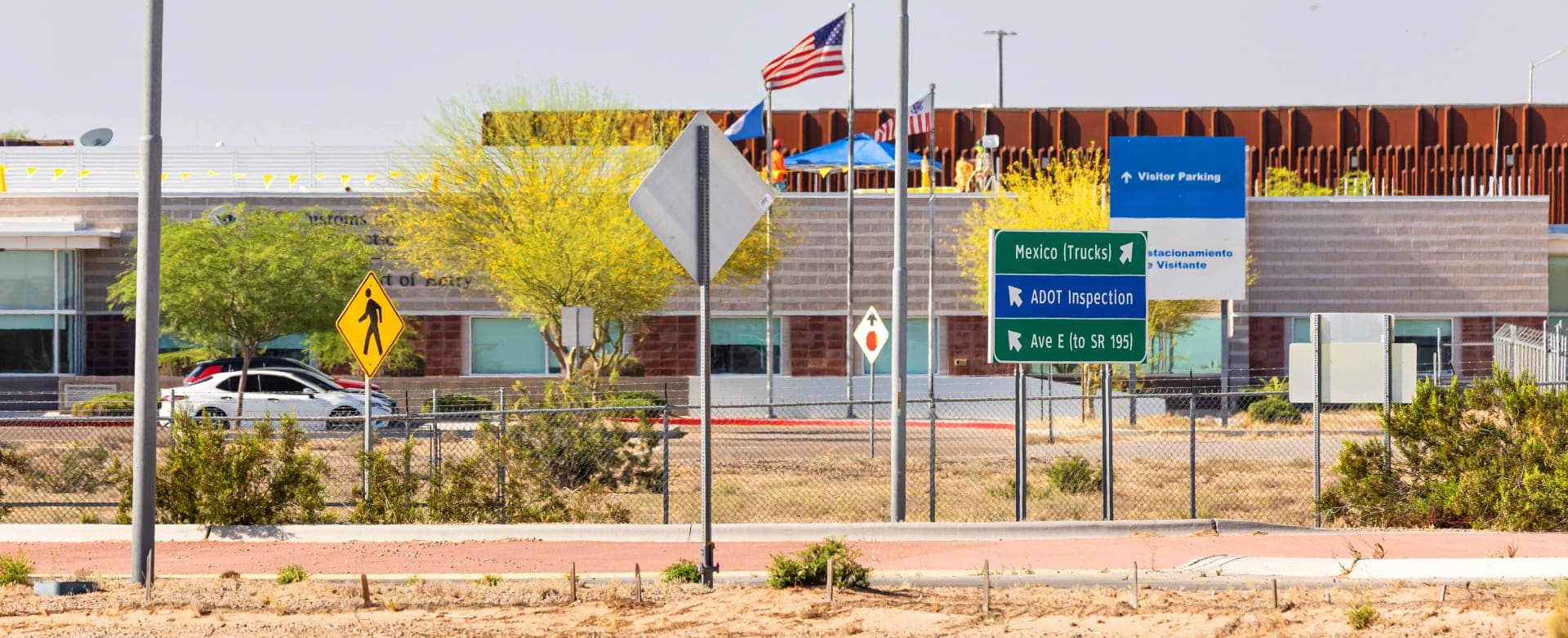
One of the clearest local examples is Magrino Industrial Park. San Luis city materials say the site includes 280 acres of industrial land along Avenue E near the new commercial port of entry, with 40 acres currently being developed for prospective firms. A March 24, 2021 development agreement with the city said the park would be phased in stages. City materials also point to 1,300 acres of commercial and industrial development potential along Avenue E near the commercial port of entry and SR 195, a land base that could shape where future logistics, warehousing and manufacturing activity lands.
For Yuma County, the question is no longer whether border traffic will keep growing. It is whether the infrastructure, land use and coordination around San Luis can keep pace soon enough to protect jobs, speed freight and support the trade corridor that links the county to the Arizona-Sonora megaregion.
This article was produced by Prism’s automated news system from verified source data, official records, and press releases, then run through automated quality and moderation checks before publishing. The system is built and supervised by the people who set the standards it runs under. Read our full AI policy.
Know something we missed? Have a correction or additional information?
Submit a Tip