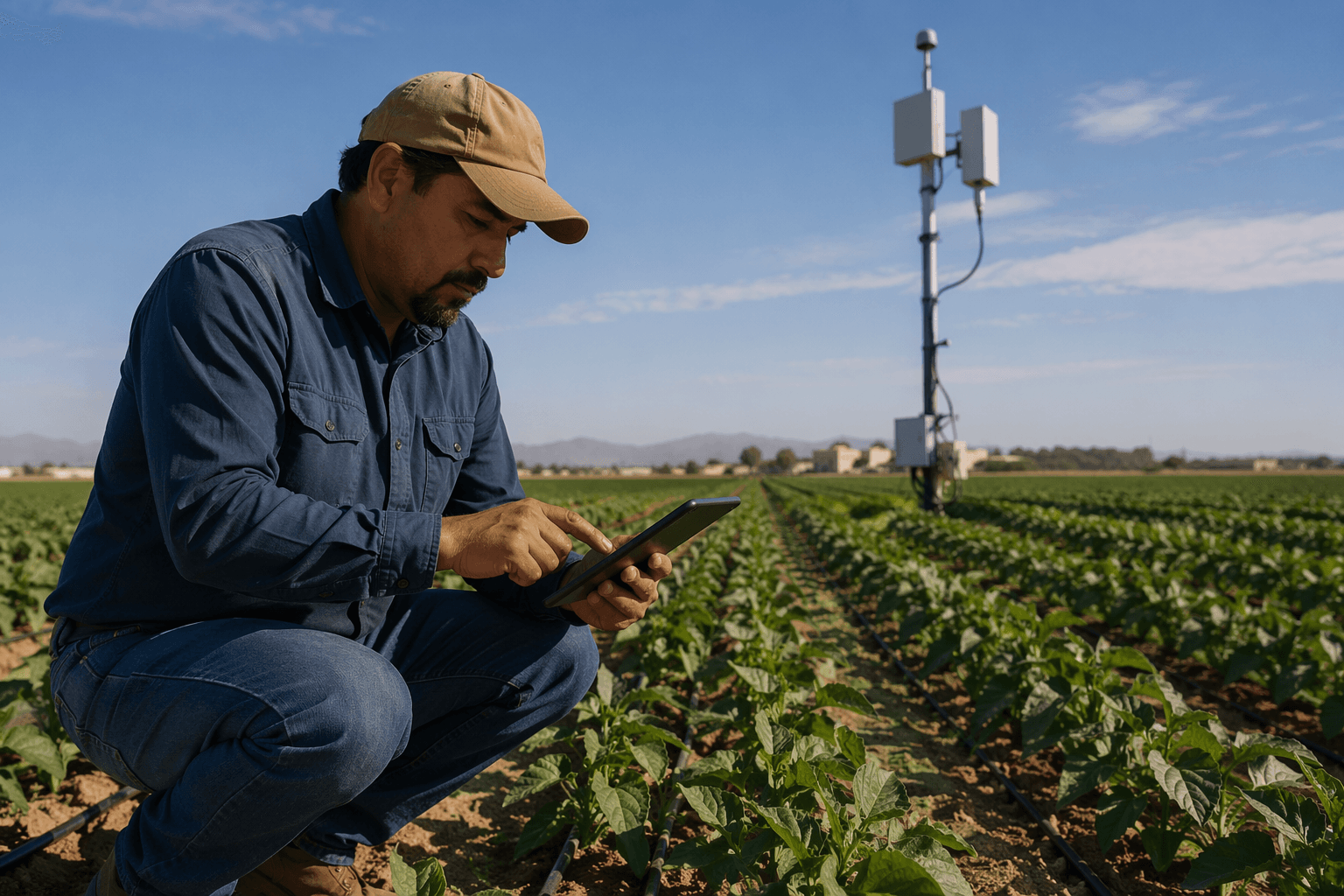
Joby seeks Yuma Proving Ground for autonomous cargo aircraft tests
Joby’s Yuma move is still at the licensing stage, but it would put autonomous cargo testing inside a military range built for exactly this kind of work.
Joby Aero has asked the Federal Communications Commission to modify its license so it can test autonomous cargo aircraft in the Yuma Proving Ground area, a step that could pull more defense aviation work into one of Yuma County’s biggest military assets. The filing also names Pendleton, Oregon, but in Yuma the stakes are especially local: any testing tied to Yuma Proving Ground can translate into contracts, technical work and more attention on a region already carving out a defense-and-aviation identity.
The company’s request would support autonomous flight development with upgraded radio systems designed to move high-bandwidth test data. That matters because the project is not a vaporware announcement or a concept render. It is at the stage where Joby is lining up specific test locations and the communications tools needed to run aircraft trials in controlled airspace. For Yuma, that puts the conversation on concrete ground: range access, airspace coordination and the possibility of future work flowing to a place already built around testing.
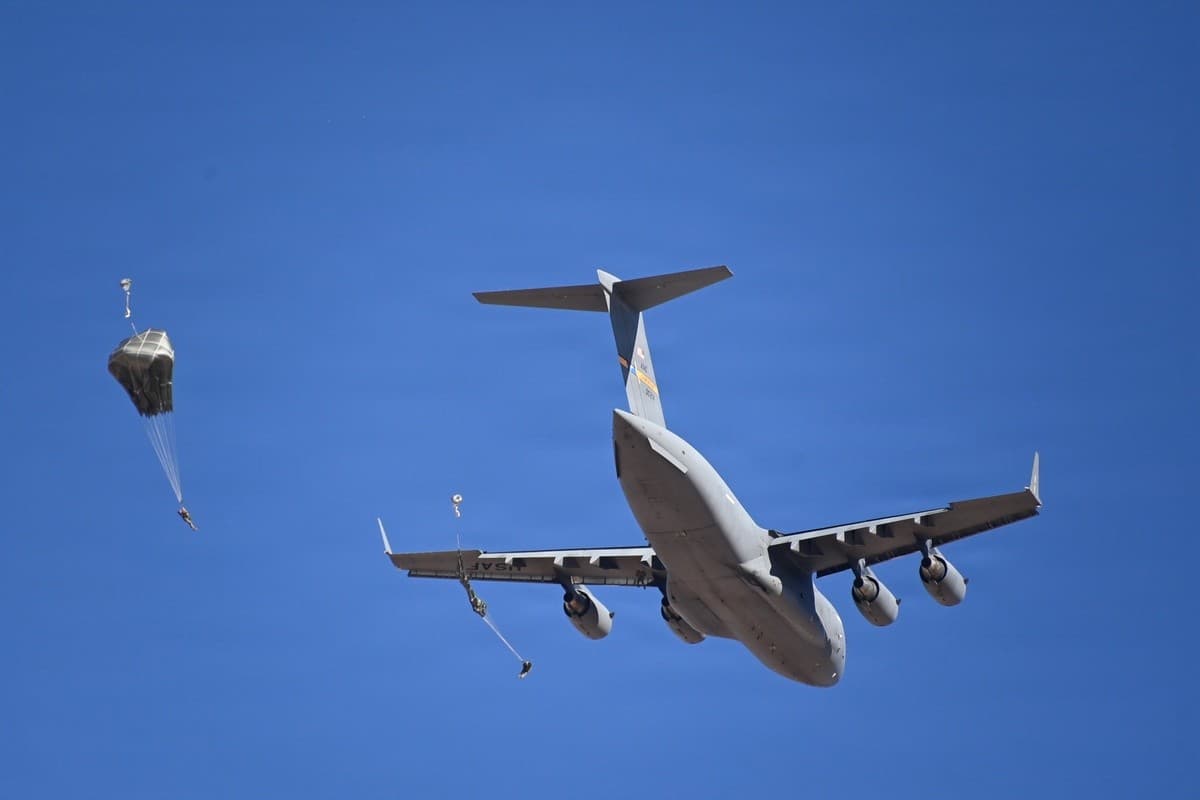
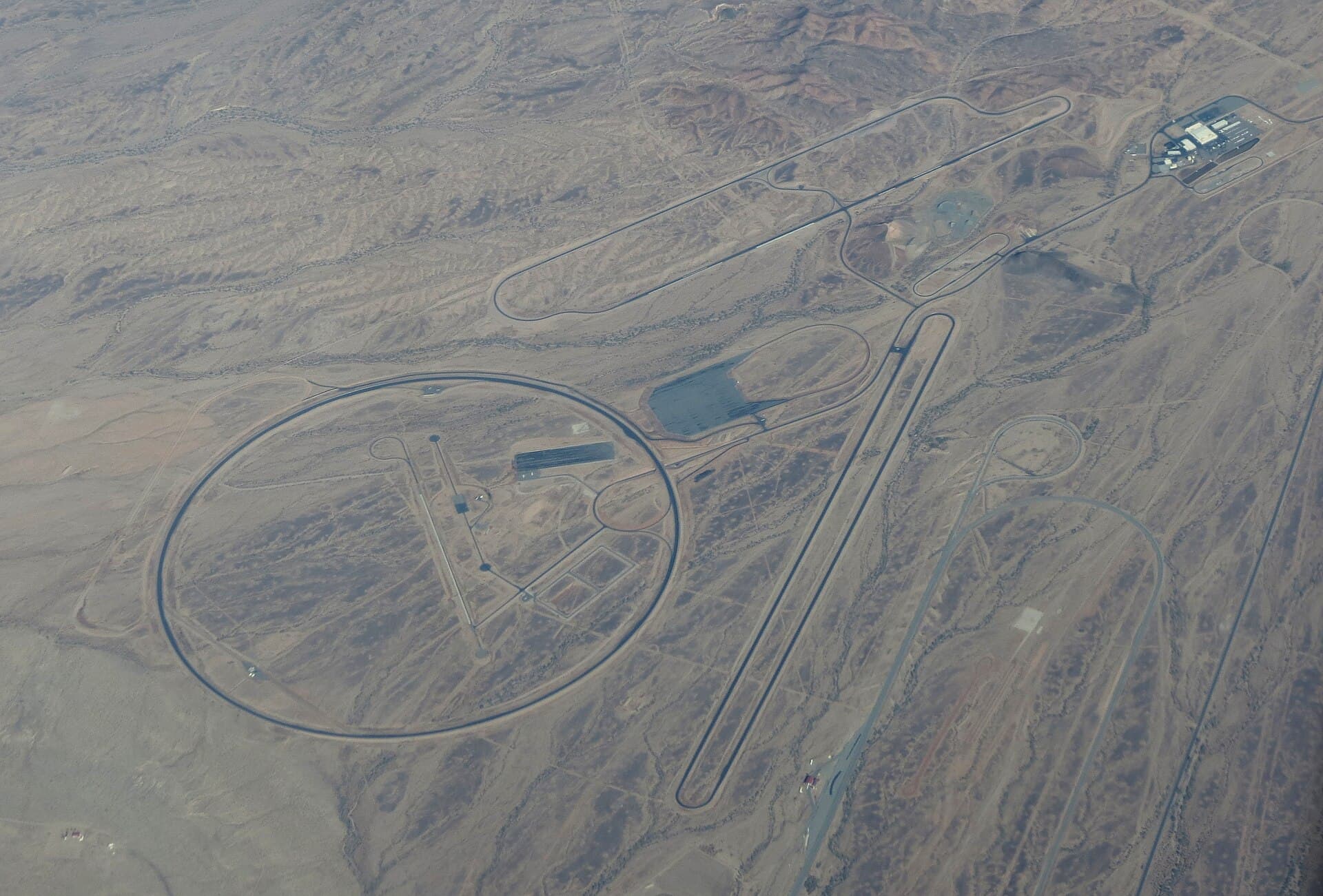
Yuma Proving Ground gives Joby a setting few locations can match. The Army calls it its premier test center, and the installation covers more than 838,000 acres, or about 1,300 square miles, with nearly 2,000 miles of restricted airspace. Army materials say more direct labor hours are devoted to testing there than at any other Army test organization, and the site has a long record that includes unmanned aircraft systems, parachute technologies, artillery and armored vehicles. That combination of space, security and experience is exactly why autonomous aircraft companies and defense contractors look here when they need real-world flight data instead of a PowerPoint promise.
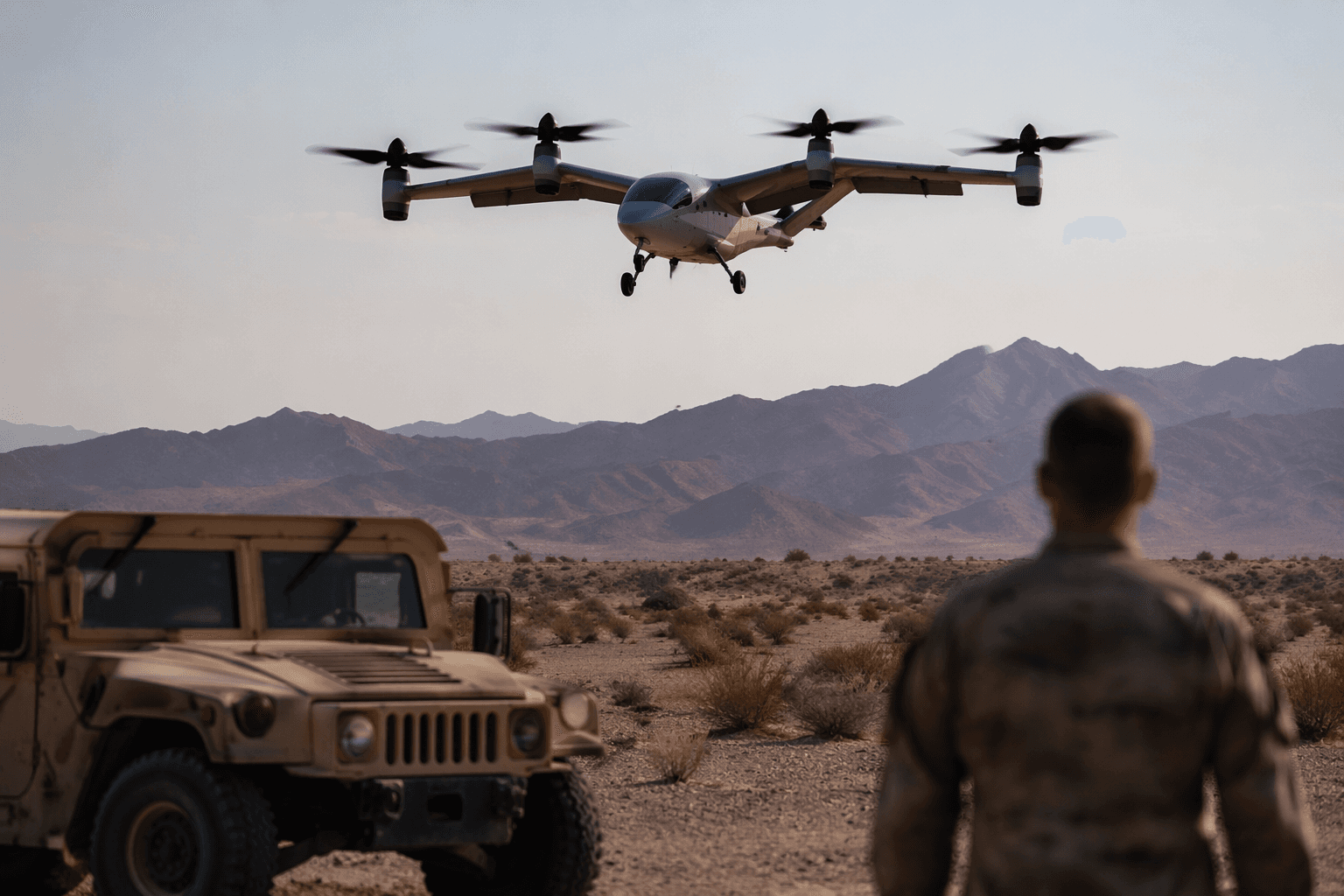
Pendleton offers a useful comparison. The Pendleton UAS Range, part of the Pan-Pacific UAS Test Range Complex, was established in 2013 and has become one of the nation’s leading drone test centers. An industry source says it supported more than 23,000 UAS operations in a year. By placing Yuma beside Pendleton, Joby is signaling that its autonomy work belongs at established test hubs with uncongested airspace and the infrastructure to handle repeated missions.
The filing also fits Joby’s wider push into defense and autonomy. On August 26, 2024, the company said it flew a fully autonomous Cessna 208B Grand Caravan more than 3,900 miles across nine locations during the Air Force’s Agile Flag 24-3 exercise. On September 3, 2025, it said it had logged more than 7,000 autonomous miles and more than 40 flight hours during REFORPAC, with missions managed primarily from ground stations more than 3,000 miles away in Guam. Joby said the Department of Defense requested $9.4 billion in fiscal 2026 to advance autonomous and hybrid aircraft, and it said in November 2025 that its hybrid turbine-electric autonomous demonstrator had completed its first flight. By March 2026, the company said it had been selected for early operations in Arizona and Oregon under the White House-backed eVTOL Integration Pilot Program.
For Yuma County, the significance is straightforward. If Joby moves from filing to field testing, it would deepen the region’s role as a working aerospace corridor, not just a place where military aircraft pass through, but where the next generation of autonomous cargo systems is tested, measured and potentially built into future defense programs.
This article was produced by Prism’s automated news system from verified source data, official records, and press releases, then run through automated quality and moderation checks before publishing. The system is built and supervised by the people who set the standards it runs under. Read our full AI policy.
Did this article answer your question?