Leeward Brings 112.5 MW/450 MWh Sierra Pinta BESS Online in Yuma County
Leeward Renewable Energy has brought the 112.5 MW/450 MWh Sierra Pinta battery energy storage system online in Yuma County, boosting local grid resilience and promised community tax benefits.
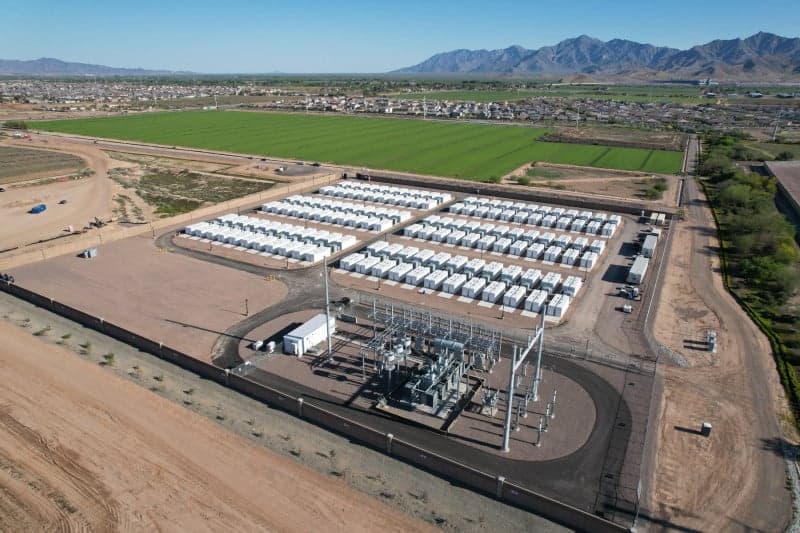
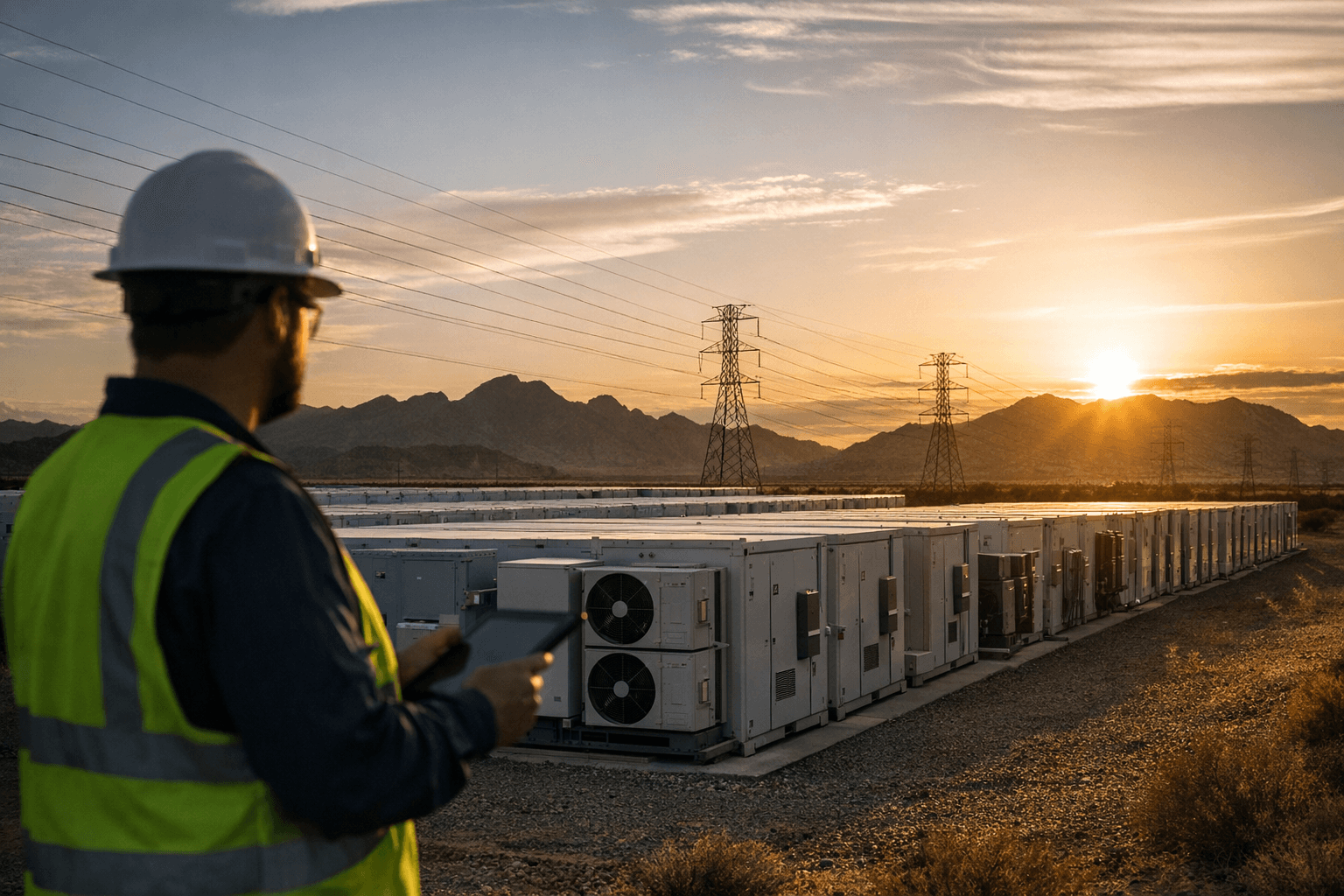
Leeward Renewable Energy has brought the Sierra Pinta Battery Energy Storage System online in Yuma County, a standalone facility rated at 112.5 megawatts and 450 megawatt-hours of storage. The project, sited on roughly 10 acres near Yuma, is designed to store and dispatch clean power during peak load periods and to support renewable deployment and grid resiliency across Arizona and California.
The facility complements LRE’s adjacent 179-MW White Wing Ranch Solar project, which the company reports achieved commercial operation in October 2024. LRE also says Sierra Pinta will operate under a 15-year Long-Term Resource Adequacy agreement with Pacific Gas & Electric Company, a contract type used to ensure capacity is available to meet peak demand. LRE describes Sierra Pinta as a wholly owned subsidiary of the company and notes the project was designed to meet the most stringent safety requirements.
Company materials include an equivalence claim that the 450 MWh capacity is “equivalent to the energy needed to power over 90,100 U.S. homes for four hours.” The announcement does not include the supporting footnote or methodology for that homes-equivalent figure, so the assumptions behind the calculation have not been disclosed. LRE’s project pages emphasize a full-lifecycle, long-term ownership model and state the company is a portfolio company of OMERS Infrastructure; the corporate pages list roughly 31 operating wind, solar, and storage facilities totaling about 3 gigawatts, although earlier reporting cited a 32-project count.
The Sierra Pinta online date departs from earlier development timelines. In December 2022, project reporting projected construction would begin in September 2024 with operation in the first half of 2025; LRE’s latest announcement establishes that the site reached operational status in 2026. The slip in timing is not explained in the company materials provided, and the announcement does not list construction job counts, ongoing operations jobs, or projected tax revenue amounts for Yuma County.
Eran Mahrer, LRE’s Chief Commercial Officer, framed the project as both a regional grid resource and a local economic benefit: “We are proud to partner with PG&E on this transformative project, supporting the transition to a cleaner and more reliable grid while bringing significant tax benefits to the community. Sierra Pinta Energy Storage expands our project footprint and further solidifies our commitment to the region. We look forward to continuing our long-term partnership with Yuma County and the local community as we develop and operate the project.”
For Yuma County residents, the immediate effects are primarily at the system level: additional on-demand storage capacity that can shave peaks, improve reliability for utilities in Arizona and California, and support further solar development on adjoining acreage. The announcement leaves open several locally relevant questions: how much tax revenue the county will receive, how many jobs were created during construction and will be maintained for operations, and the detailed safety and vendor specifications of the battery system. Those figures were not included in the company’s materials.
What comes next for residents is a period of local follow-up and oversight: county officials and LRE will be the sources to watch for specific economic-impact numbers and for schedules on when PG&E begins drawing resource adequacy deliveries. In practical terms, the Sierra Pinta BESS increases storage on the grid and positions Yuma County as a node in the growing desert corridor of solar-plus-storage projects that aim to keep the lights on during late-day peaks and heat-driven demand spikes.
This article was produced by Prism’s automated news system from verified source data, official records, and press releases, then run through automated quality and moderation checks before publishing. The system is built and supervised by the people who set the standards it runs under. Read our full AI policy.
Did this article answer your question?