MCAS Yuma marks change of command as leadership shifts
Marine Corps Air Station Yuma changed command July 17 as the base kept its pace of about 180,000 yearly operations and $806.8 million in local economic impact.
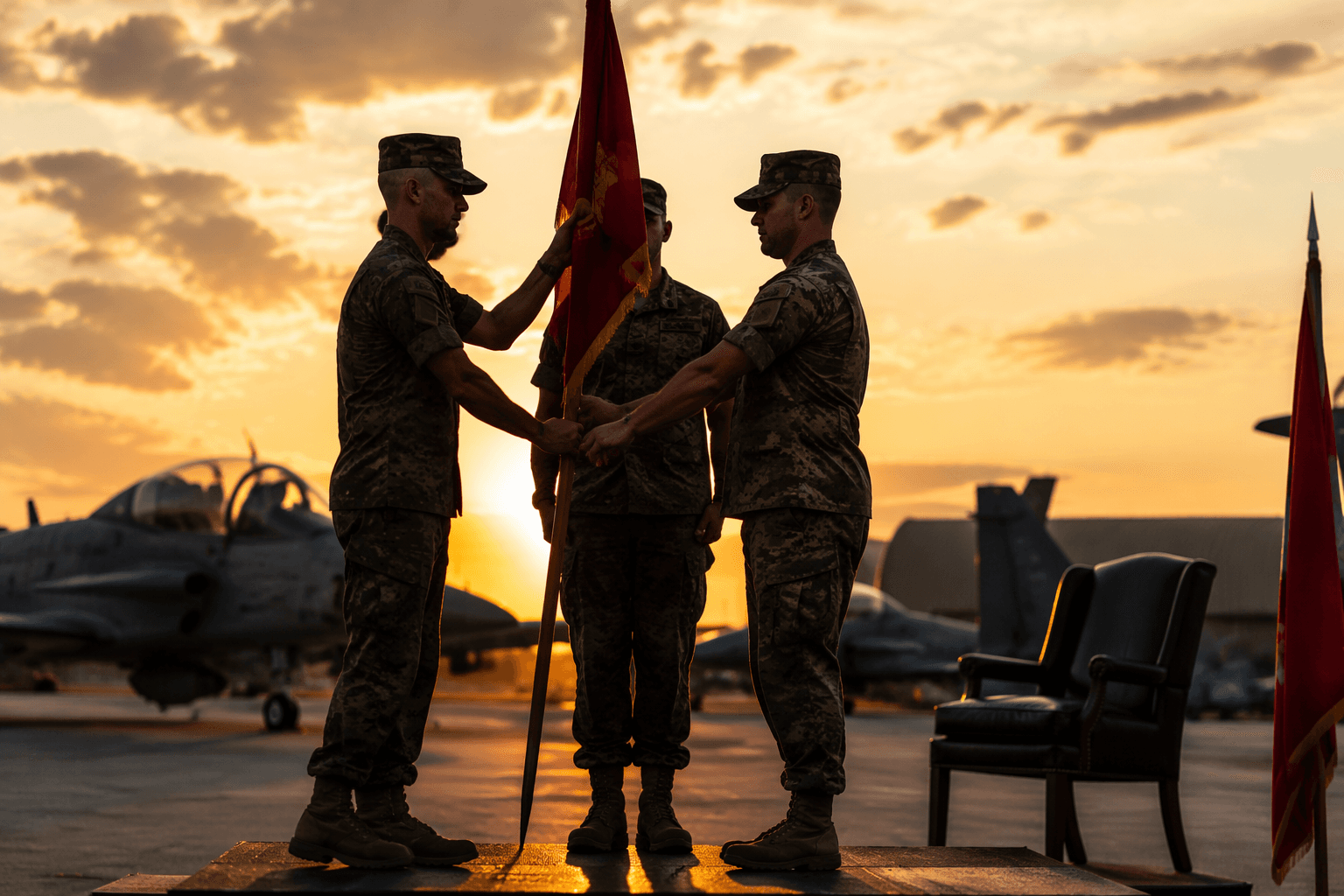
Marine Corps Air Station Yuma changed command on July 17, a routine transfer at one of Yuma County’s largest military employers. The handoff matters well beyond the fence line because the station sits at the center of military aviation activity in southwestern Arizona, near California and Mexico, on about 4,800 acres.
For residents, the practical stakes start with the scale of the base’s flying mission. A 2023 Arizona defense-impact study says MCAS Yuma averages about 180,000 operations a year, making it the busiest air station in the Marine Corps and the busiest air station in the Navy for military and civilian aircraft operations. The same study says the station has access to more than one million acres of bombing and aviation training ranges, a footprint that shapes flight schedules, training tempo and the amount of aircraft activity local communities see and hear.
MCAS Yuma is also the Marine Corps’ premier aviation training base and home to Marine Aviation Weapons and Tactics Squadron-1. A 2018 statistical summary said the air station continued to host two Weapons and Tactics Instructor courses each year, bringing thousands of U.S. Marines from around the globe to Yuma. That training pipeline ties the base directly to local services, from housing and transportation to the steady demand that comes with a constant rotation of visiting personnel.
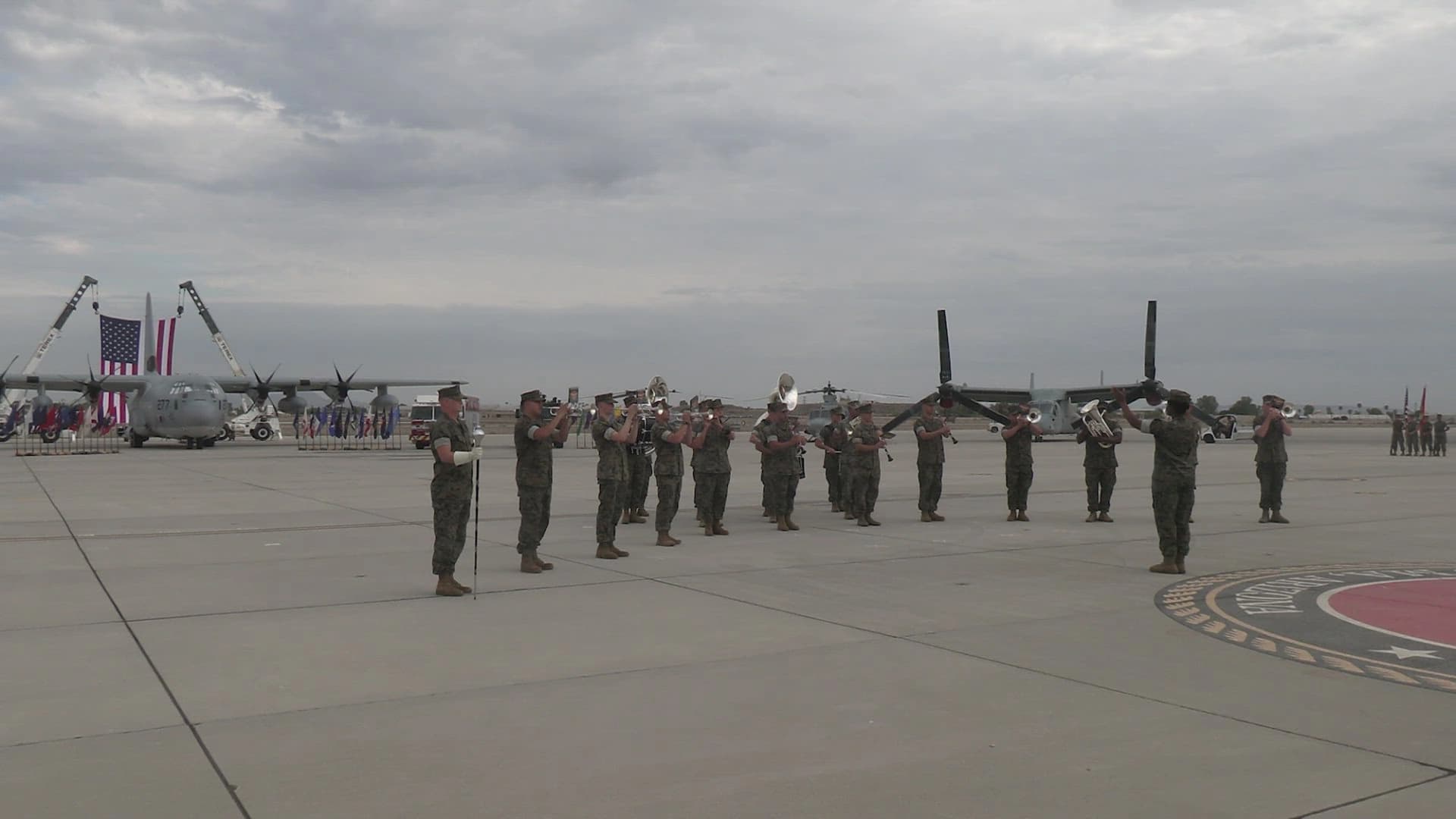
The base’s role in the regional economy is just as large. A 2014 MCAS Yuma statistical summary put its local economic impact at $806,775,318. Yuma County’s chamber of commerce identifies agriculture, military and tourism as the county’s three most prominent industries, placing the air station squarely among the pillars that support jobs and spending in the area. MCAS Yuma also supports the Bob Stump Training Range Complex, extending its reach across the region’s military infrastructure.
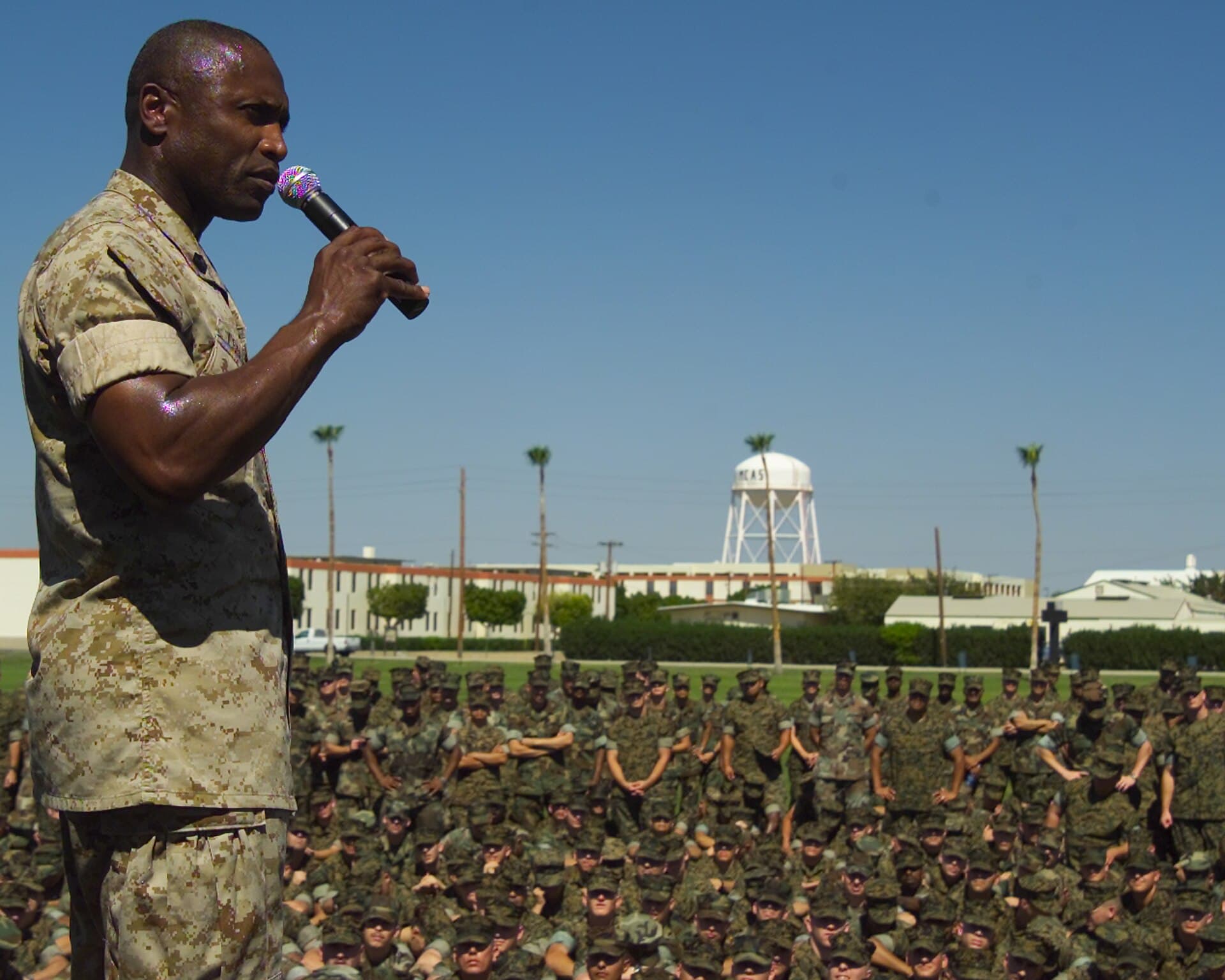
Community interest in a change of command usually centers on whether the new leadership will alter how the base manages training, coordination with city and county agencies, and day-to-day interactions with neighbors. With the station’s aviation mission, its training ranges and its economic footprint all staying in place, the questions for Yuma now turn to how that authority will be exercised over the next year.
This article was produced by Prism’s automated news system from verified source data, official records, and press releases, then run through automated quality and moderation checks before publishing. The system is built and supervised by the people who set the standards it runs under. Read our full AI policy.
Did this article answer your question?