Stinknet blooms across Yuma area deserts, raising wildfire concerns
Bright yellow stinknet is spreading into Yuma area deserts, and each tiny flower head can send up to 100 seeds into places where the dry plant can feed wildfire.
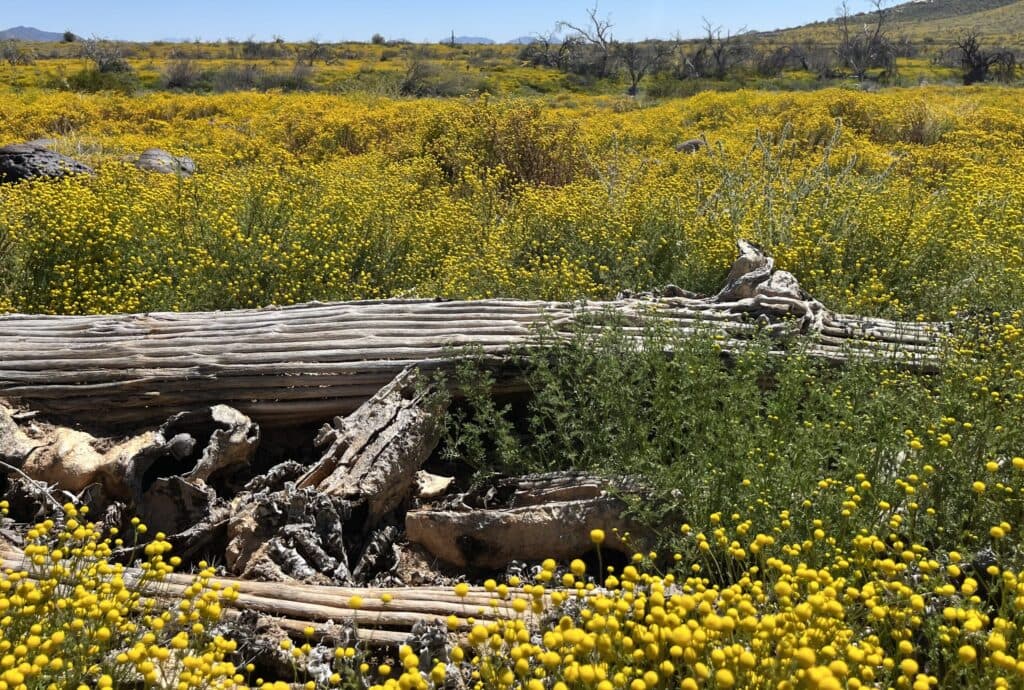
A bright yellow wildflower is showing up in Yuma area deserts each spring, but stinknet is not a harmless splash of color. The invasive plant dries into fire fuel, spreads fast and can trigger allergies, which is why Yuma Cooperative Extension is urging residents to report it before it takes hold.
Also known as globe chamomile, stinknet is an annual from southern Africa that can grow in back yards, desert riparian areas, urban sidewalk cracks, open fields and residential neighborhoods. In Yuma County, that means the threat is not limited to remote desert edges. It can move into the places people walk dogs, garden and park cars, then spread again on shoes, fur, tires and wind.
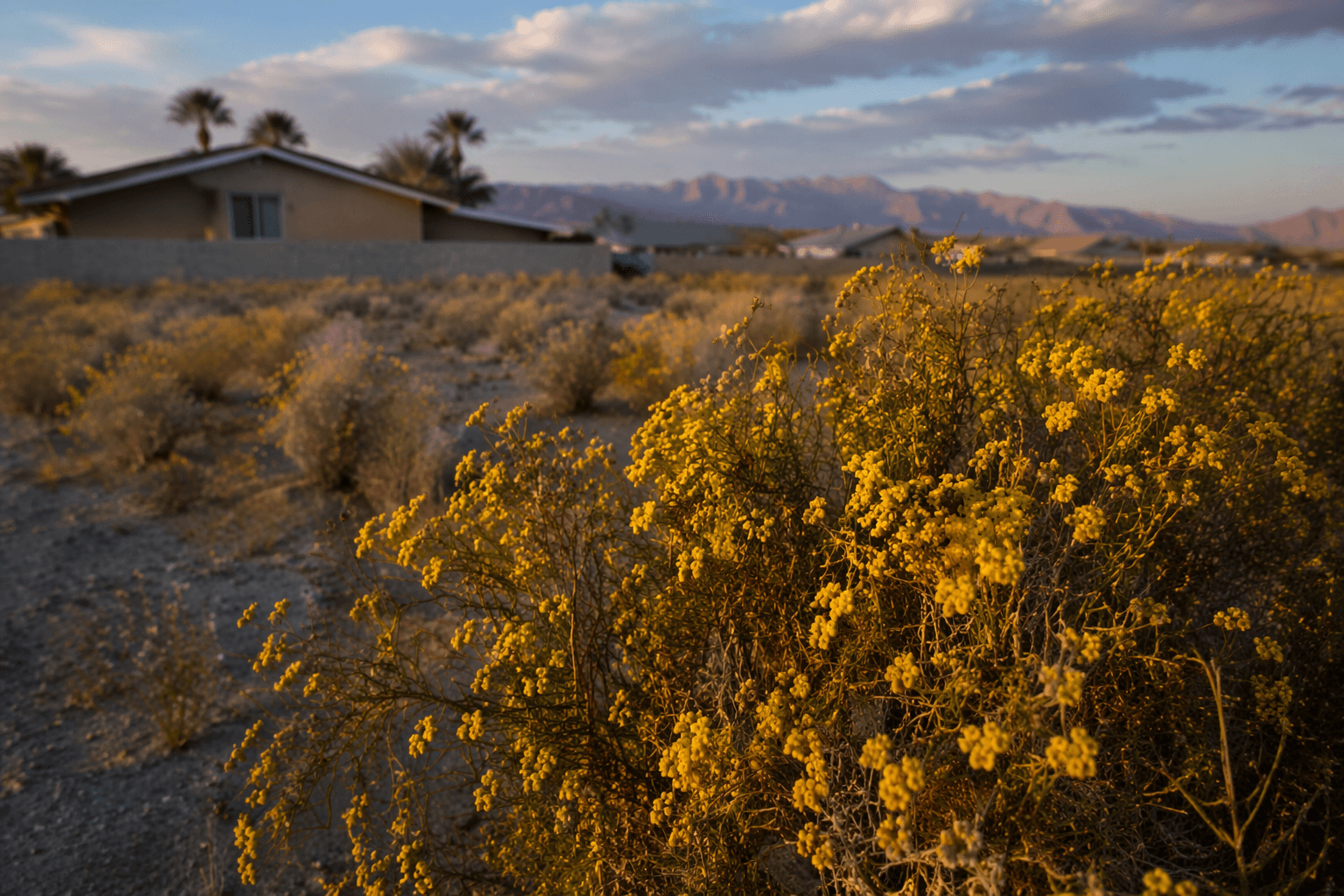
The risk is bigger than an odd bloom. Stinknet dries into highly flammable material that can increase the frequency and intensity of fires, and the smoke can be caustic. Saguaro National Park has warned that the plant is an urgent and increasingly dangerous threat, saying biologists see it as the most dangerous invasive plant since buffelgrass was introduced in the 1930s. The National Park Service has also pointed to the 2020 Aguila Fire, which burned more than 800 acres in northern Phoenix, then gave stinknet a new disturbed landscape to colonize.
The plant has been in Arizona for decades. The first herbarium collection was made in spring 1997, the first published account came in 2005, and by 2019 it had become conspicuous enough to draw public attention. It is now common in the Phoenix metro area and much of Maricopa County, has pushed south along the I-10 corridor into Pinal County, and outbreaks have been documented in Tucson and rural parts of Pima County. Recent observations show it has reached Mexico.
Timing matters. Stinknet germinates from November through April and flowers from February through June. One pea-sized flower head can produce up to 100 seeds, and those seeds can stay dormant in soil for years, with one source putting the limit at five years. That is why missing a single season can turn a small patch into a much larger problem the next year.
Janine Lane, an urban horticulturist with Yuma Cooperative Extension, said residents should report stinknet locations so the spread can be tracked. Removal season runs roughly from February through April, before the plants set seed, and in southern Arizona there is still a narrow chance to catch small infestations before they become another fire-loaded layer across the desert.
This article was produced by Prism’s automated news system from verified source data, official records, and press releases, then run through automated quality and moderation checks before publishing. The system is built and supervised by the people who set the standards it runs under. Read our full AI policy.
Did this article answer your question?