Supreme Court ruling could reshape Yuma County voting maps by 2030
A Supreme Court ruling could make it harder to keep Yuma’s Latino border communities together when Arizona redraws maps after the 2030 census.
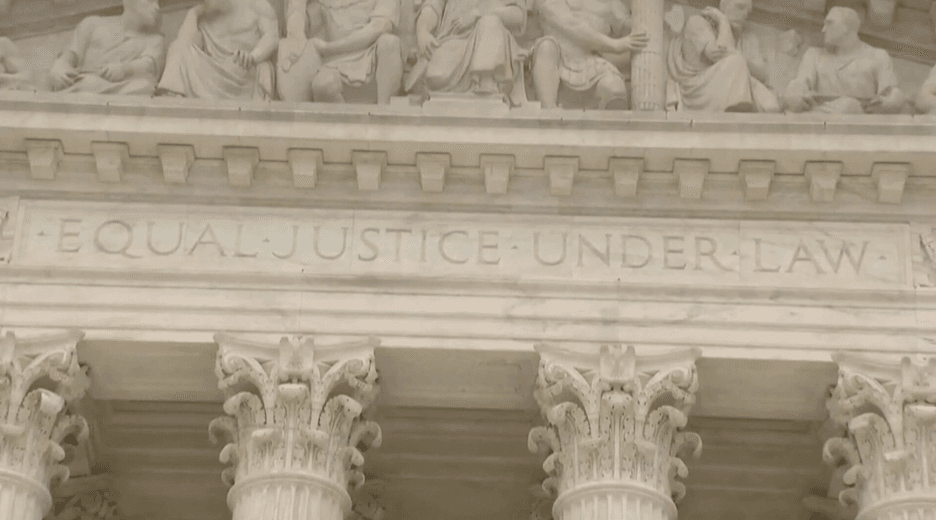
Yuma County’s next map fight may still be years away, but a Supreme Court decision on the Voting Rights Act could change who gets grouped together when Arizona redraws its political boundaries after the 2030 census. The practical stakes are plain in Yuma: whether Latino neighborhoods, farmworker communities and border residents stay linked on the map or get split into districts that dilute their influence.
Arizona does not let lawmakers draw those lines. The Arizona Independent Redistricting Commission, appointed in January 2021 to draw the current maps, is made up of two Republicans, two Democrats and an independent chair. The Arizona Secretary of State says the commission meets every ten years under the state constitution to review congressional and legislative districts using U.S. Census data. The commission’s approved congressional map has 9 districts, and its approved legislative map has 30 districts. Its process is open to the public for map proposals and comments.
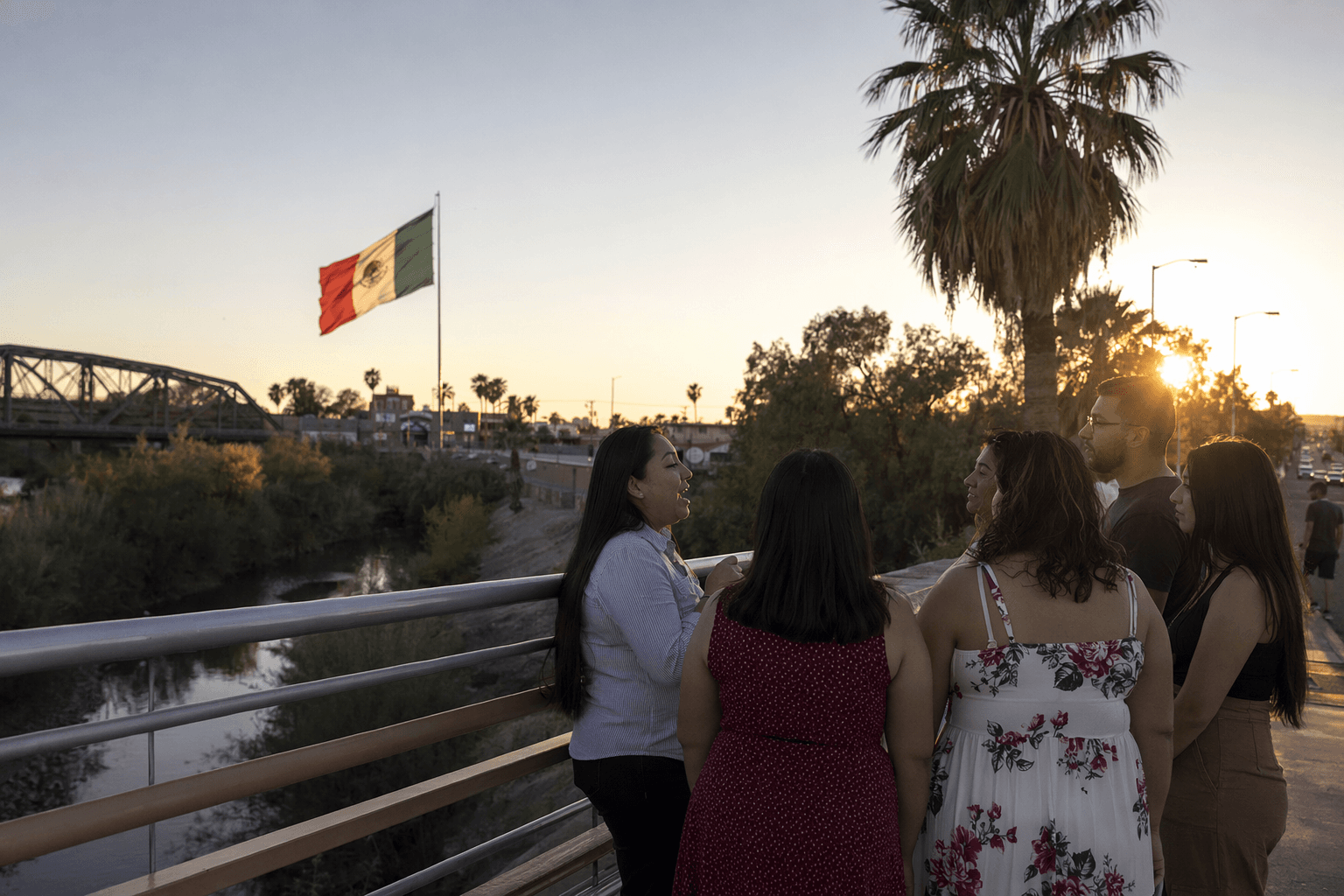
The ruling lands in a county where voting rights questions have always been tied to demographics and geography. Yuma County had 203,881 residents in the 2020 census, and 66.1% identified as Hispanic or Latino. The Census Bureau says 55.5% of residents speak a language other than English at home. Yuma County is Arizona’s largest majority-Hispanic county, which helps explain why Section 2 of the Voting Rights Act has mattered so much in past redistricting fights.
That history showed up in the 2021 map cycle, when commissioners debated whether Latino farmworkers and agriculture communities in Yuma County should be paired with similar groups in the Phoenix area. Arizona’s 7th Congressional District now includes parts of Yuma and runs along the Mexico-U.S. border, and Legislative District 23 covers much of Yuma as well. If Section 2 is harder to enforce, both districts could become more vulnerable to legal challenges or partisan line drawing in the next round.
Immediate changes are unlikely, but the ruling could reshape the legal battlefield before 2030. VoteBeat Arizona reporter Sasha Hupka has said lawsuits could still emerge, and both parties may see openings to gain seats. Rep. Adelita Grijalva has already reacted sharply to the decision on her House page, underscoring how quickly the ruling reverberated through Arizona politics. For Yuma, the next redistricting fight may decide whether border communities remain united on the map or are carved apart when the state redraws lines again.
This article was produced by Prism’s automated news system from verified source data, official records, and press releases, then run through automated quality and moderation checks before publishing. The system is built and supervised by the people who set the standards it runs under. Read our full AI policy.
Did this article answer your question?