Wellton water violation deepens residents' concerns over tap safety
Wellton's latest test found TTHMs at 0.120 mg/L, above the federal limit, after repeated notices since 2024.
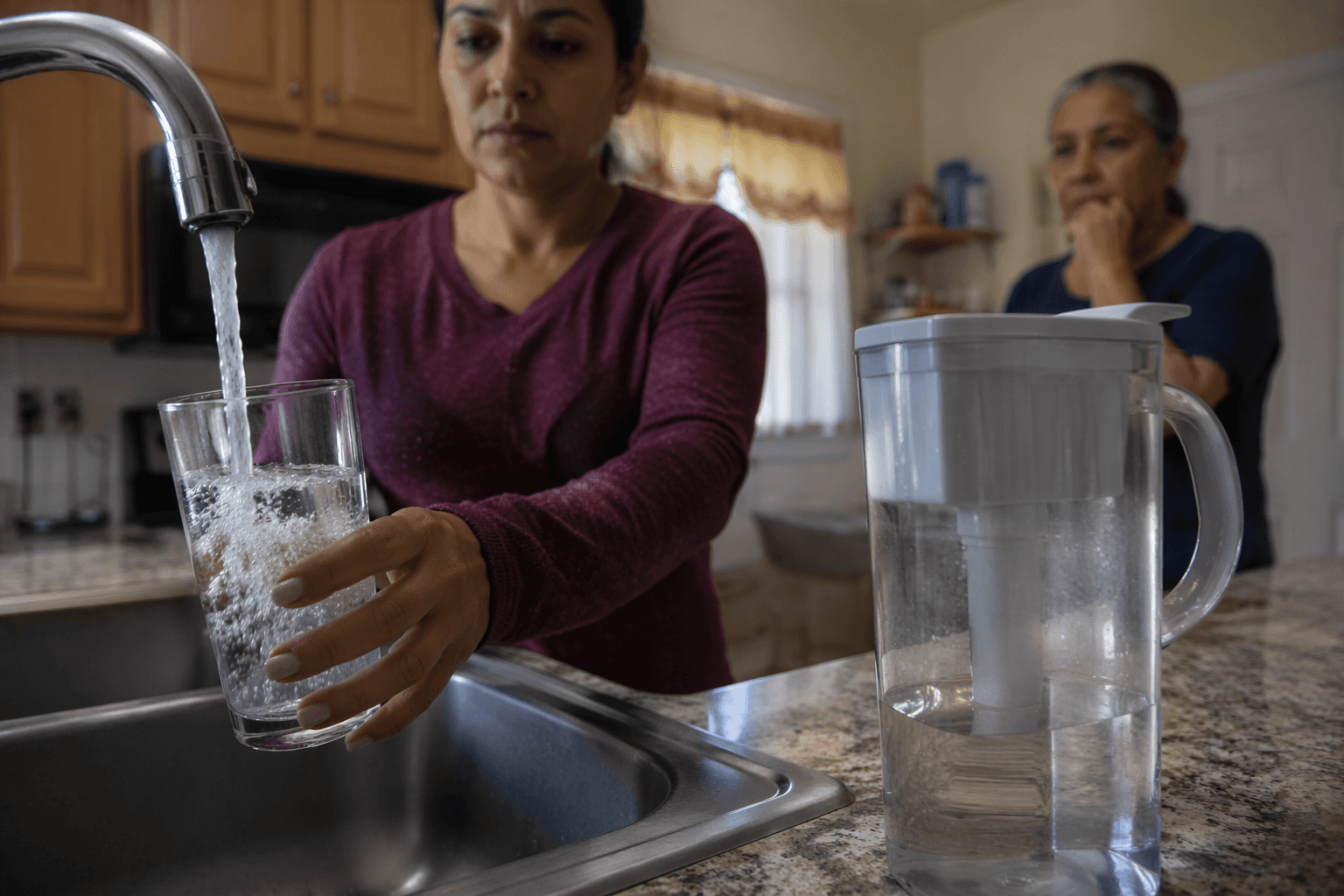
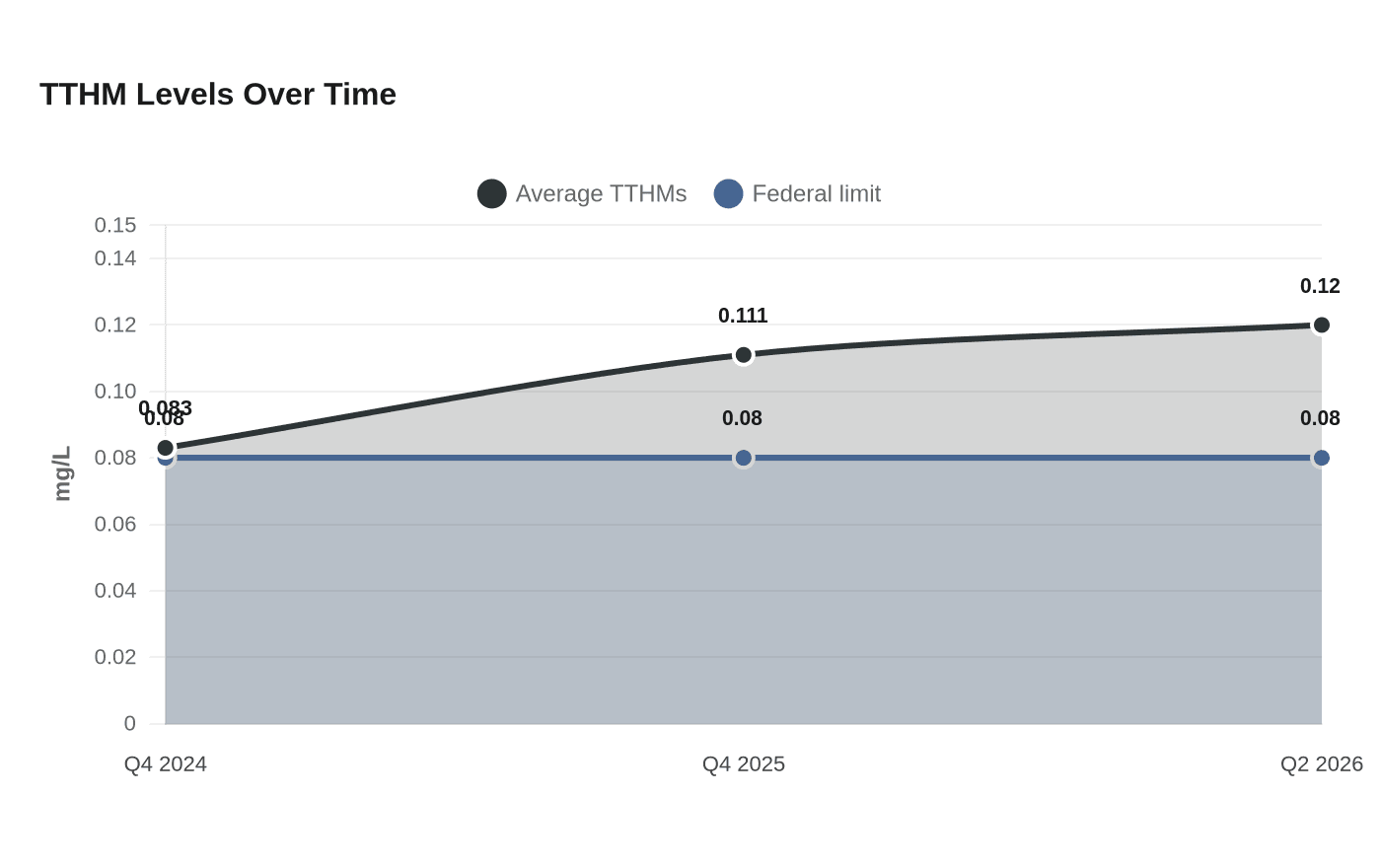
Wellton’s latest water notice puts total trihalomethanes at an average 0.120 mg/L in the second quarter of 2026, above the federal limit of 0.080 mg/L. The town’s water system serves about 3,000 people in Wellton.
The violation is not an emergency, and residents do not need to boil water. TTHMs are regulated under the U.S. Environmental Protection Agency’s Stage 2 Disinfectants and Disinfection Byproducts Rule because they can form when disinfectants react with naturally occurring material in source water. Wellton’s notice warned that people who drink water with trihalomethanes above the limit over many years may face liver, kidney or central nervous system problems, along with a higher cancer risk. It also said customers who are severely immunocompromised, infants, pregnant or elderly could be at increased risk.
Petry, who manages an RV park in Wellton, said, “None of us have drunk the water here.” She said the park does not even use the water on plants and that she has lost three palms.
Arizona public-notice records show a prior trihalomethane exceedance notice for the fourth quarter of 2024 at 0.083 mg/L, and a March notice showed fourth-quarter 2025 levels averaged 0.111 mg/L. Wellton is in western Yuma County.
The Town of Wellton Public Works Department is responsible for the water system, and the town is working with the Arizona Department of Environmental Quality, engineers and different treatment techniques to fix the problem. Town officials anticipate resolving it within the next year. The town also posted a water-information community meeting notice on March 19, 2026, and the May 5 Town Council agenda included a proposal for Community Development Block Grant funding for Water Systems Treatment Improvements.
This article was produced by Prism’s automated news system from verified source data, official records, and press releases, then run through automated quality and moderation checks before publishing. The system is built and supervised by the people who set the standards it runs under. Read our full AI policy.
Did this article answer your question?