Dangerous heat returns to Yuma County, raising health concerns
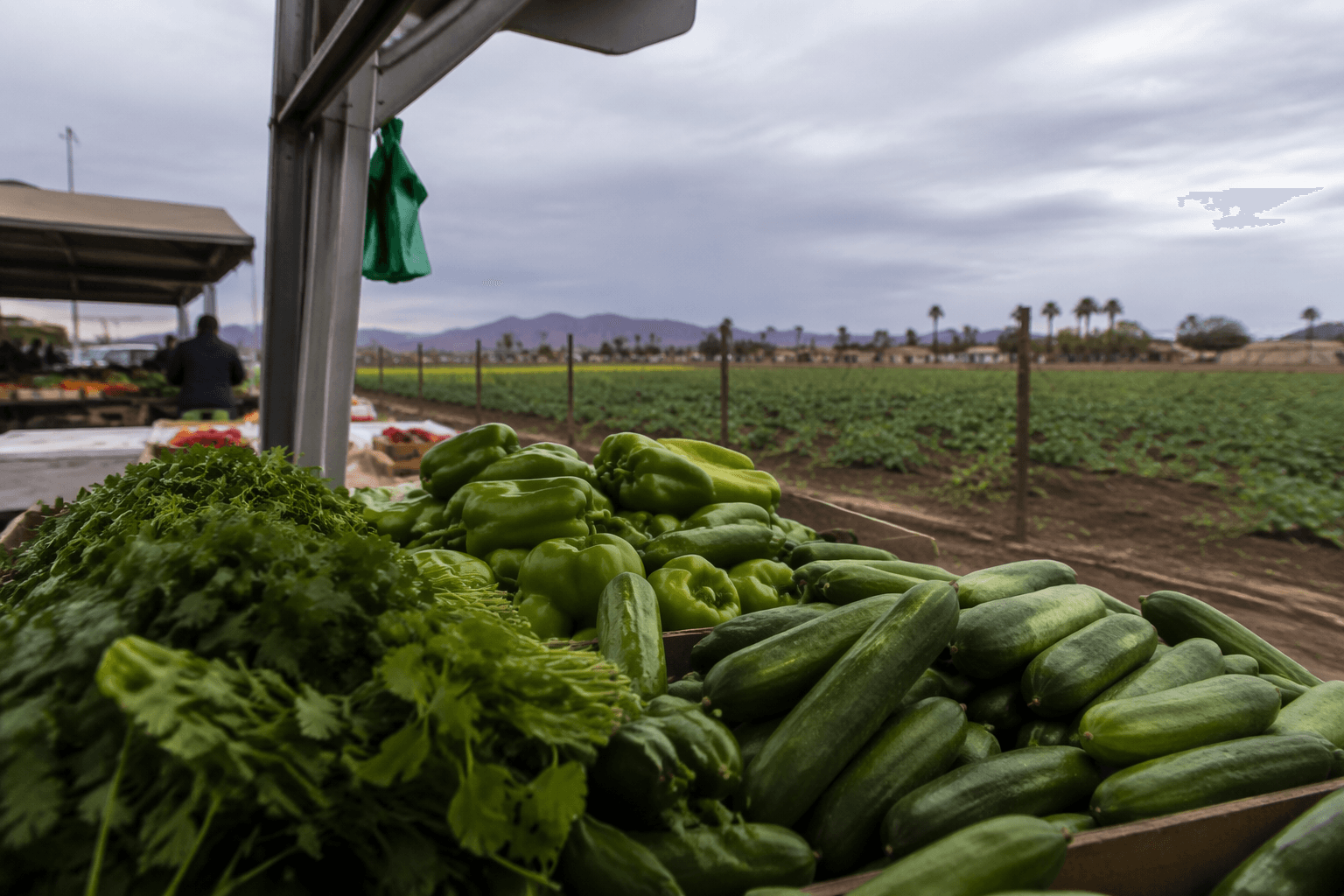
Farmworkers, seniors and children face the biggest danger as Yuma County heat surges again, with county guidance urging shade breaks, cooling centers and quick medical help for heat illness.
In March 2026, Martinez Lake, about 20 miles north of Yuma, reached 110 degrees and set a new U.S. record for the hottest March temperature ever recorded.
Dangerous heat has returned to Yuma County, putting farmworkers, outdoor crews, seniors, children and unhoused residents at the highest risk as temperatures climb across the Desert Southwest. Anyone working or exercising outside should avoid overexertion between 11 a.m. and 6 p.m. and take hourly breaks in the shade or air conditioning.

Cooling centers and water sites are available throughout Yuma County to help people get through the hottest part of the day. Residents should stay informed with local forecasts and avoid alcohol, caffeine and sugary drinks, which can worsen dehydration. Warning signs of heat illness include cramping, a rapid pulse, heavy sweating, hot red skin, dizziness, confusion, nausea and vomiting, and those symptoms call for immediate medical attention.
County materials put Yuma at 148 days above 100 degrees in 2020. County heat guidance puts Arizona at 73 days above 100 degrees in 2023 and a record 31 consecutive days above 100 degrees.
An Arizona Department of Health Services heat-in-Yuma County strategy says the state and county are implementing adaptations and interventions aimed at disrupting the pathway between heat and its health outcomes. Arizona health data are also tracking heat-related illness emergency department and inpatient admissions for 2020-2024.
For Yuma County residents, the practical response is to change the day around the heat. Outdoor work needs to shift when possible, errands need to be timed before the afternoon climb, and people without reliable air conditioning need a plan for cooling stops and regular check-ins.
This article was produced by Prism’s automated news system from verified source data, official records, and press releases, then run through automated quality and moderation checks before publishing. The system is built and supervised by the people who set the standards it runs under. Read our full AI policy.
Did this article answer your question?