Yuma City Council Submits Formal Comments on Post-2026 Colorado River Operations
Mayor Doug Nicholls says Yuma's federal water contracts "really shouldn't be at risk, but you really don't know" as the city fights to shape Colorado River rules through 2027.
Mayor Doug Nicholls and the Yuma City Council submitted a formal comment package to the U.S. Bureau of Reclamation on March 12, pressing the agency to protect the city's water supply as federal officials draft new operating rules for the Colorado River that will govern allocations for decades beginning in 2027.
The submission responds to the Bureau's Draft Environmental Impact Statement for Post-2026 Operational Guidelines, a federal process that will replace the current guidelines when they expire in 2026. The Bureau is collecting comments from communities, water users, and stakeholders across the Southwest before finalizing the new framework.
For Yuma, the stakes are unusually direct. The Colorado River is the city's sole municipal water supply and the lifeblood of a regional agricultural economy that makes Yuma one of the nation's leading producers of winter vegetables. The river also supports local energy production, meaning a single federal document will shape the city's water, food, and power supply simultaneously.
The City Council's comments center on management strategies for Lake Powell and Lake Mead, the two major reservoirs that regulate flows across the Colorado River system. The submission calls for maintaining reservoir levels to ensure reliable water delivery and overall system stability, preserving long-standing water rights, upholding the priority allocation system that governs how river water is distributed, and ensuring communities that draw directly from the river are not disproportionately burdened by future shortage policies.
Nicholls acknowledged that Yuma holds federal contracts that should, in theory, shield the city from the worst outcomes. But he stopped short of treating those contracts as a guarantee.
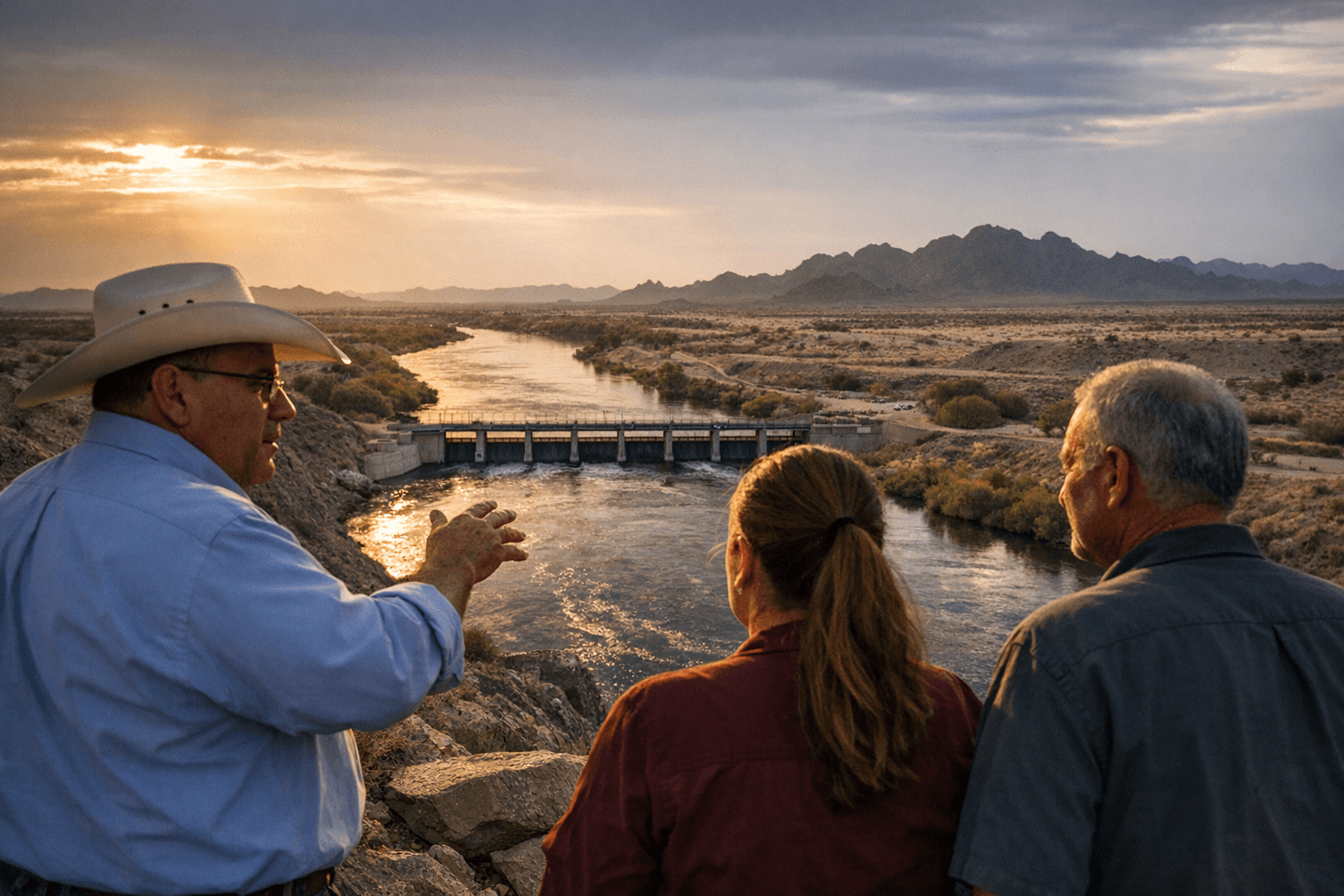
"We're opening up the walls of the river and how distributions happen. These threats that Yuma County has are direct contracts with the federal government, so they really shouldn't be at risk, but you really don't know," Nicholls said.
That uncertainty is felt in Yuma's fields as much as its council chambers. A local resident identified only as Sierra captured the ground-level concern: "The river water helps grow all these vegetables. We're very depending on it...It's one of the main sources here that we need to grow and produce water."
The full text of the City Council's comments was posted to the City of Yuma's official website following the submission. The Bureau of Reclamation is working toward new guidelines set to take effect in 2027, with the current comment period representing one of the final formal opportunities for river-dependent communities to shape the outcome.
This article was produced by Prism’s automated news system from verified source data, official records, and press releases, then run through automated quality and moderation checks before publishing. The system is built and supervised by the people who set the standards it runs under. Read our full AI policy.
Did this article answer your question?