Yuma Council Removes Public Hearings for Certain Design and Subdivision Approvals
The Yuma City Council adopted two ordinances that remove public hearings for specified design reviews and subdivision approvals in order to conform with Arizona House Bill 2447, which required local implementation by December 31, 2025. The change alters local approval pathways for projects in the Aesthetic Overlay District and for some subdivision decisions, with implications for public participation, development timelines, and local oversight.
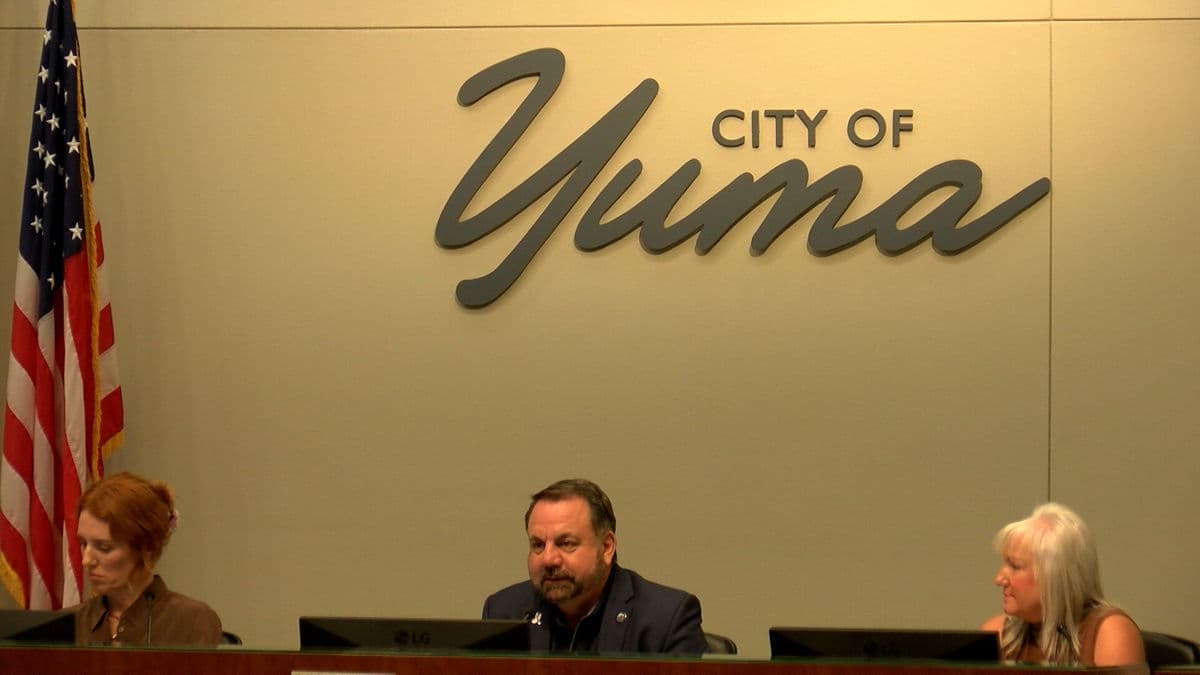
The Yuma City Council on December 17 finalized two ordinances that amend city code to eliminate public hearings for certain design reviews and subdivision approvals, bringing local procedures into alignment with Arizona House Bill 2447. The law required cities and towns to implement these procedural changes by December 31, 2025. City staff reviewed municipal code and recommended updates, and the Planning and Zoning Commission approved the amendments on October 27.
The ordinances specifically rework approval pathways so that some decisions that previously required a public hearing will now proceed through administrative or nonhearing review processes. The changes affect design reviews within the Aesthetic Overlay District and particular subdivision approvals, narrowing the situations in which a formal public hearing is required under local code. City staff and the Director of Community Development explained the elements that the state statute required during earlier discussions with council members, who raised objections to the mandate at prior meetings.
For residents and stakeholders this represents a material shift in how land use decisions will be processed. Removing the public hearing step can speed approvals and reduce procedural delay for developers and property owners, but it also reduces formal opportunities for neighbors and community groups to present testimony directly to decision makers. The Aesthetic Overlay District historically provided a forum for design concerns that often drew public input, and the procedural change may alter how design outcomes are shaped going forward.

Institutionally, the move underscores the limits placed on municipal discretion by state law and highlights the tension between uniform statewide rules and local preferences for public engagement. The council debated the mandate before adopting the ordinances, signaling local concern about diminished public oversight even as the city complied with the statutory deadline.
Civic engagement will determine how residents respond to the change. Those seeking to influence design or subdivision outcomes should monitor Planning and Zoning agendas, attend meetings where administrative reviews are discussed, and communicate with the Community Development Department about upcoming applications. City leaders will need to balance the efficiency demanded by the new statute with transparent procedures that preserve meaningful avenues for public input and accountability.
This article was produced by Prism’s automated news system from verified source data, official records, and press releases, then run through automated quality and moderation checks before publishing. The system is built and supervised by the people who set the standards it runs under. Read our full AI policy.
Did this article answer your question?


