Yuma County Board Held Regular Session January 5, Notice Followed State Law
The Yuma County Board of Supervisors met in a regular session on January 5, 2026, at 9:00 AM in the BOS Auditorium, 197 S. Main Street, Yuma. The county posted a public notice and provided links to agenda materials and public access options in line with Arizona public meeting laws; the meeting advanced decisions that affect local policy and county services.
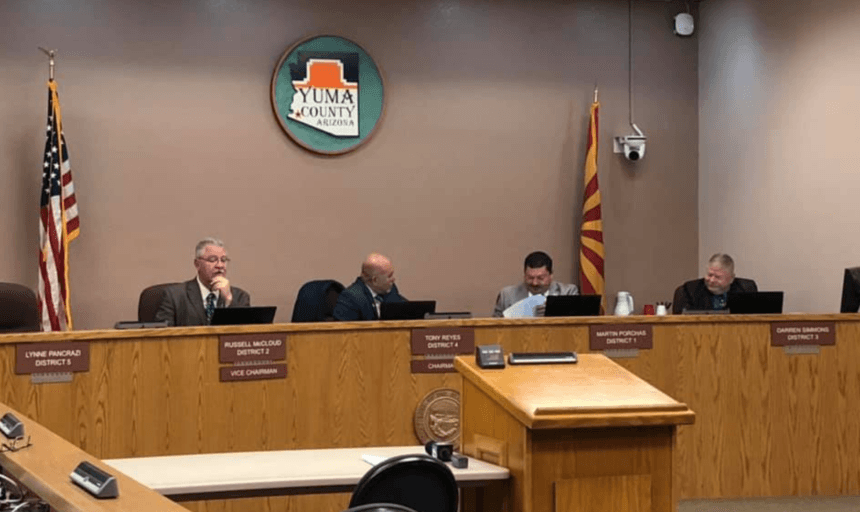
On January 5, 2026, the Yuma County Board of Supervisors convened a regular session at 9:00 AM in the Board of Supervisors Auditorium, 197 S. Main Street in Yuma. The county calendar entry posted prior to the meeting supplied meeting logistics and links to agenda materials and public access options, fulfilling the notice requirements set by Arizona public meeting law.
Regular sessions of the Board serve as the forum where supervisors, county staff, and members of the public address a range of governance matters. While the county’s calendar entry outlined where residents could view agenda materials, such meetings commonly include policy decisions with direct implications for county budgets, land use and planning, public safety and health services, and administration of county programs. Those outcomes affect property owners, small businesses, service providers, and residents who rely on county-managed infrastructure and services.
The public notice posted by the county is a key element of transparency and civic accountability. It informs residents about topics to be considered and provides ways for the public to access materials and observe or participate in the proceedings. These provisions help ensure that decision-making by elected supervisors is visible and subject to public scrutiny, enabling voters to evaluate officials on policy choices and voting records.
For Yuma County residents, the practical impact of Board decisions can be immediate or long term. Fiscal choices made by the Board influence tax allocation and service levels. Land use decisions shape development patterns and local economic activity. Personnel and contract approvals determine how county programs are administered. Citizens who want to track how these matters unfold should consult agenda materials posted on the county calendar and use the public access options listed for recordings, livestreams, or future meeting notices.
The Board of Supervisors acts collectively, and its votes translate policy discussion into official county action. Continued public engagement, by reviewing agendas, attending meetings when possible, and monitoring board votes, remains the most direct way for residents to influence outcomes and hold elected officials accountable. The county’s adherence to statutory notice requirements provides the basic information necessary for that engagement.
This article was produced by Prism’s automated news system from verified source data, official records, and press releases, then run through automated quality and moderation checks before publishing. The system is built and supervised by the people who set the standards it runs under. Read our full AI policy.
Did this article answer your question?


