Yuma County reacts as Supreme Court allows asylum policy restart
The Supreme Court’s 6-3 asylum ruling could again let border agents turn some migrants back before entry, a change that lands first in Yuma County. Local reaction was still building Thursday.
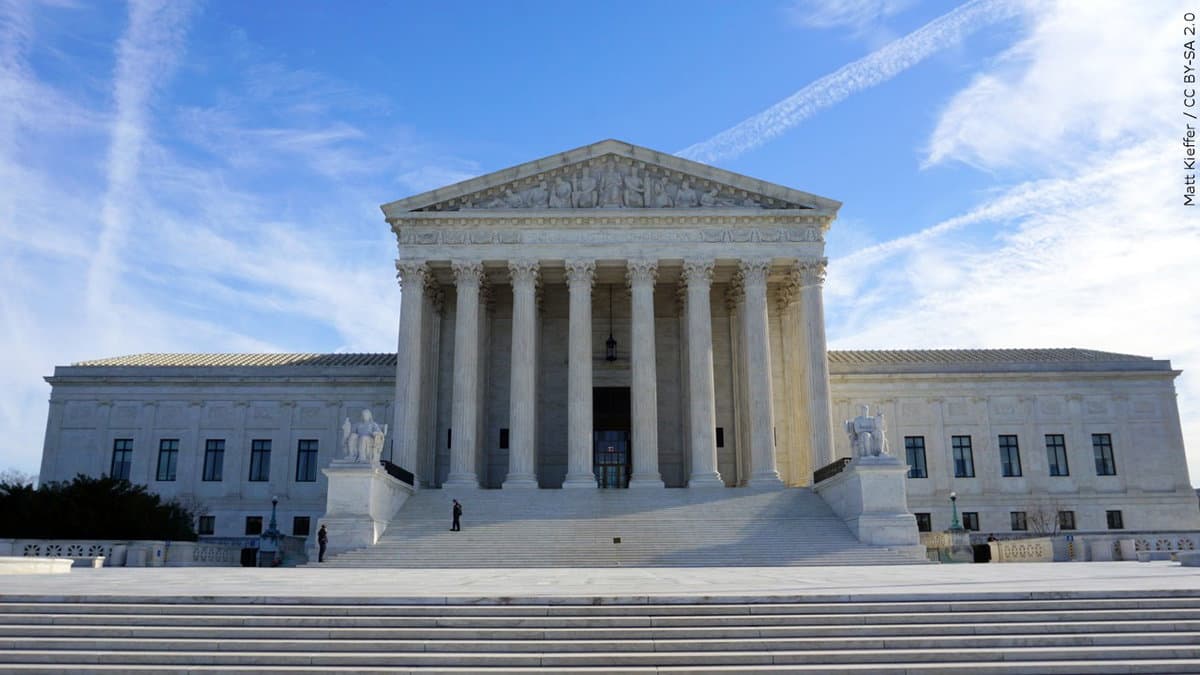
Border agents in Yuma County could again be allowed to turn some asylum seekers back before they physically enter the United States after the Supreme Court voted 6-3 Thursday to restart the policy.
The ruling landed in a county where immigration policy is never abstract. Customs and Border Protection says the Yuma Sector spans about 181,670 square miles and secures 126 miles of border from the Imperial Sand Dunes in California to the Yuma-Pima County line, and it has doubled in size since 2004. That scale is why a change from Washington can quickly affect officers, migrants waiting in Mexico, and daily routines in San Luis, Yuma and other border communities.
The same day, the court also decided Mullin v. Doe, a case over Temporary Protected Status for people from Syria and Haiti. The court’s syllabus says the case was argued April 29, 2026 and decided June 25, 2026. Syria’s TPS designation dates to 2012, Haiti’s to 2010 after the earthquake, and the challenged terminations were publicly noticed in September 2025 for Syria and November 2025 for Haiti.
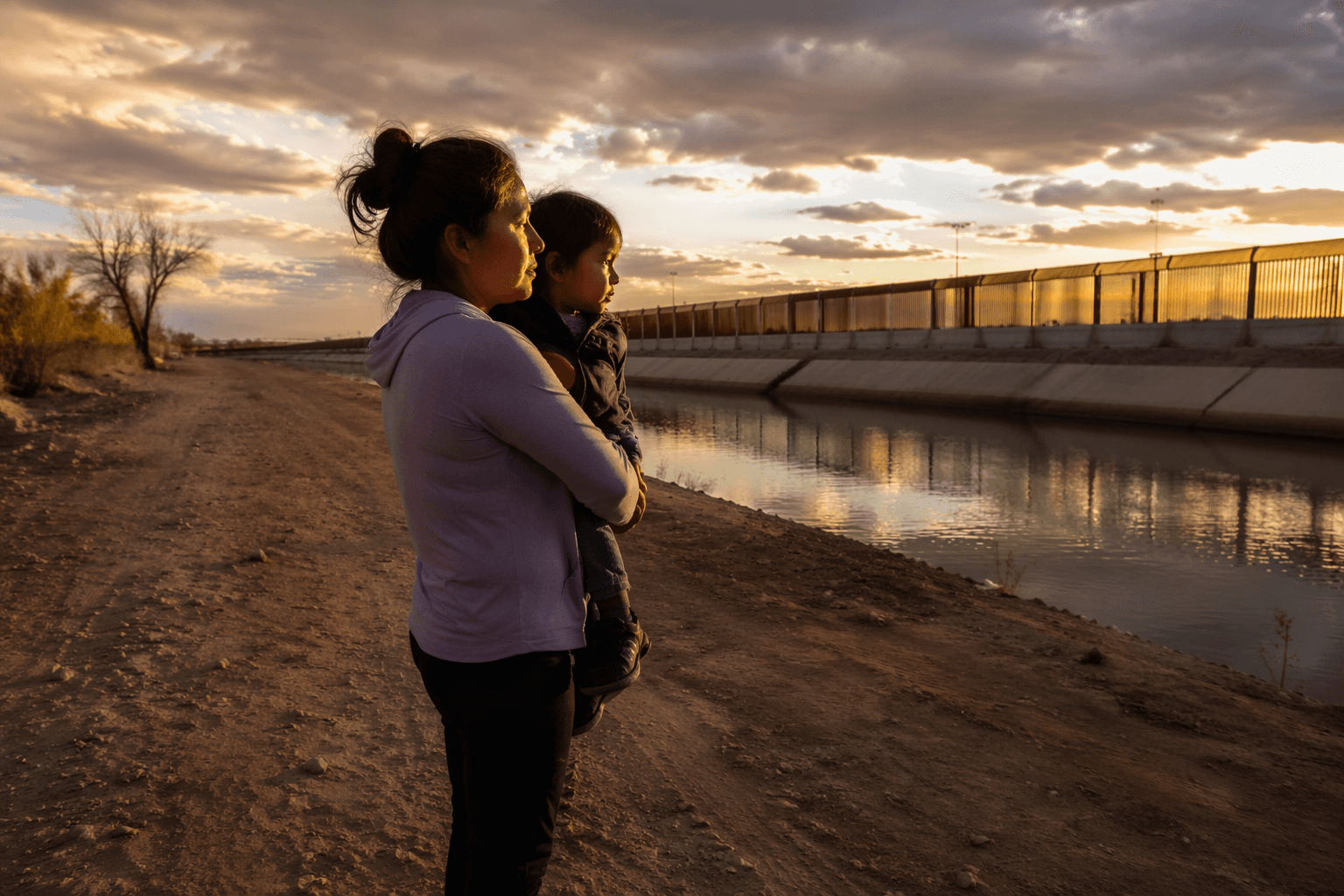
For Yuma County, the immediate questions are practical: whether the asylum ruling changes the flow at ports of entry, how long migrants wait in Mexico, and whether local nonprofits and faith groups see more people needing food, shelter and legal help. Employers that depend on cross-border movement and mixed-status families are also watching for any shift in enforcement tempo.
The local backdrop is a border corridor that has already gone through a dramatic swing. An August 2025 ABC15 report said illegal border crossings in Yuma had dropped by 99% over the previous few years, after more than 250,000 people crossed illegally into the Yuma Sector over three years. That same report said Yuma Mayor Doug Nicholls declared a local emergency during the period of heavy crossings.

Reaction in Yuma County was still developing later Thursday, and the ruling was expected to remain a live issue as residents, border leaders, employers and humanitarian groups weighed whether the new policy changes enforcement on the ground or simply resets the legal battle. For now, the decision will be measured first at the ports of entry, then in the shelters, schools and workplaces that feel border policy most immediately.
This article was produced by Prism’s automated news system from verified source data, official records, and press releases, then run through automated quality and moderation checks before publishing. The system is built and supervised by the people who set the standards it runs under. Read our full AI policy.
Know something we missed? Have a correction or additional information?
Submit a Tip