Yuma nonprofit seeks help for cat surviving suspected coyote attack
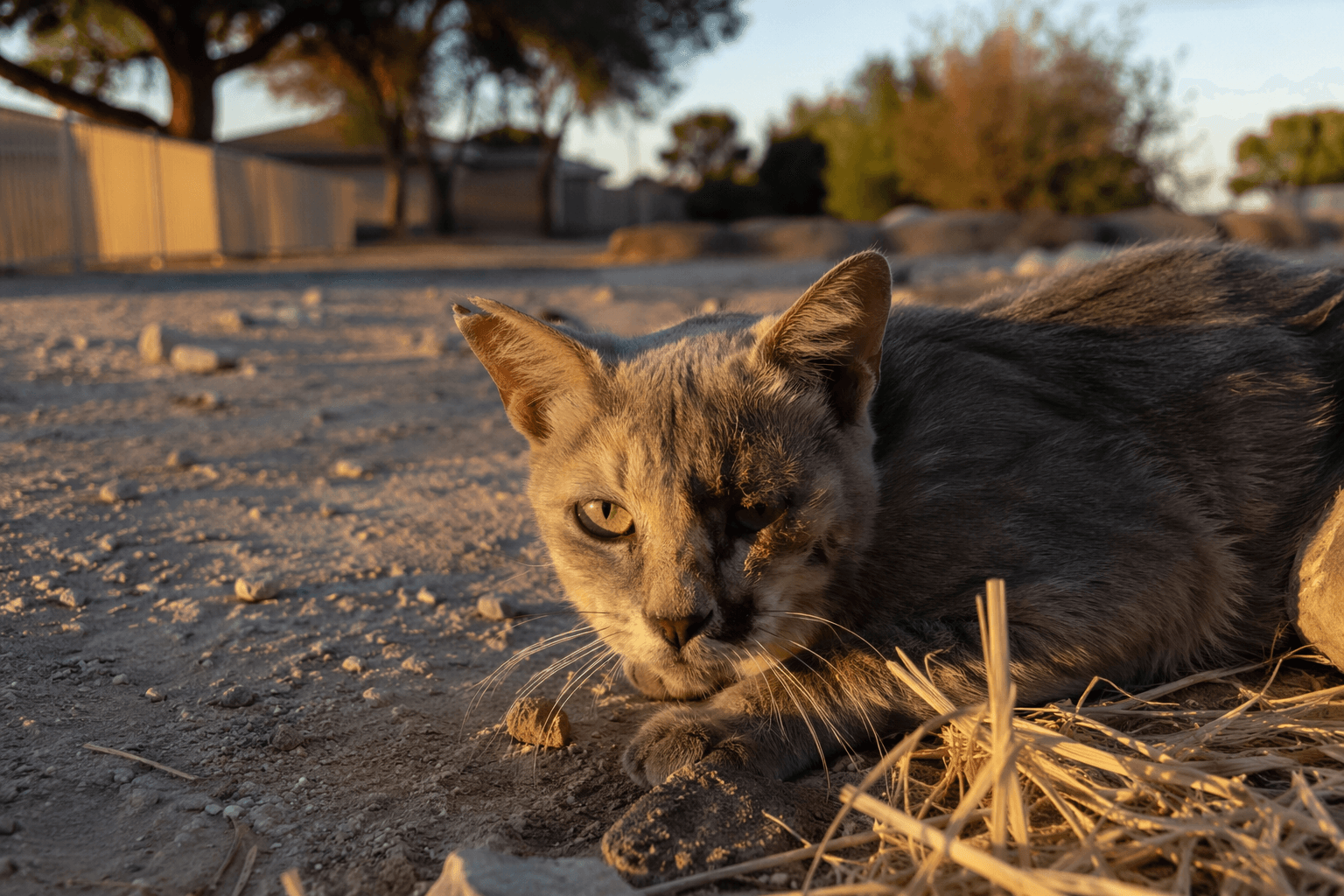
A colony cat survived a suspected coyote attack, spent 10 days in the desert and was finally trapped. Its rescue now needs help with urgent veterinary care.

A colony cat that survived a suspected coyote attack, wandered the desert for 10 days and was finally trapped now needs urgent veterinary care, and a Yuma-area nonprofit is asking for help to cover the bill.
The case lands in the middle of a much larger Yuma County cat-colony problem. There are more than 1,000 cat colonies across the county, and in Fortuna Foothills, Mark Makar and Jan Makar feed and care for stray cats every day, 365 days a year. They go through a 13-gallon bag of cat food daily, a stash that holds about 60 cans.
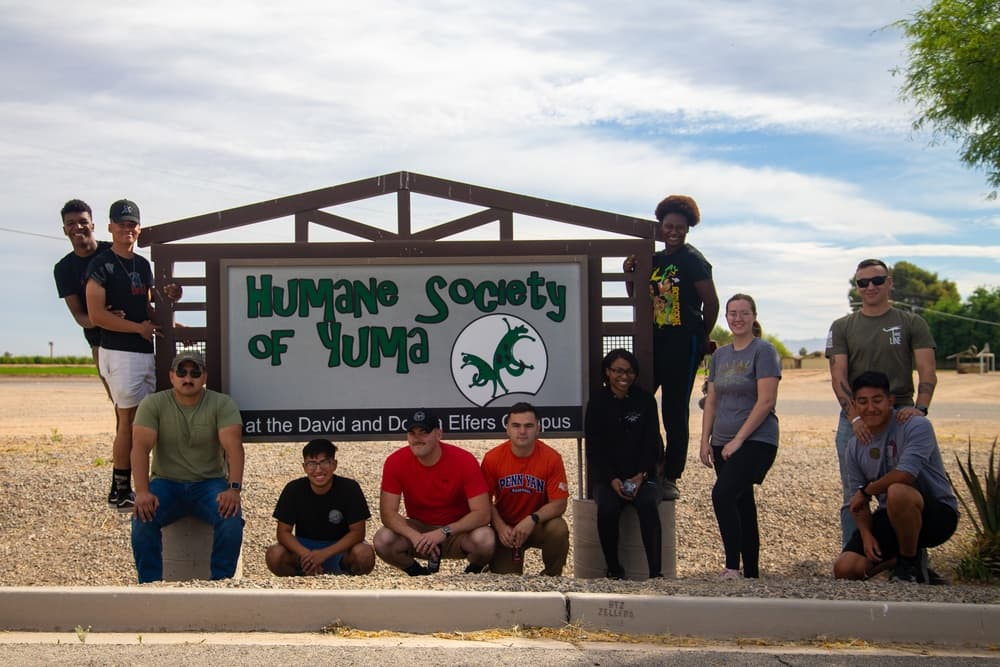
The pressure is also showing up at the Humane Society of Yuma. The shelter was at max capacity during kitten season, took in more than 400 kittens in April and May, and saw over 7,000 animals enter in the prior year, nearly 3,000 of them cats. In December 2024, the shelter said it spayed and neutered roughly 400 animals in two days during a Spayathon, including more than 440 feral cats, in an effort to slow the population over time.
Dr. Danielle Munoz, the Humane Society of Yuma interim medical director, has warned how fast the problem can compound. She said female cats can have “six to eight babies.” That pace helps explain why Yuma County continues to see colony growth even after repeated trapping and sterilization efforts.
Local rescue groups are trying to absorb the fallout. Homeward Bound Animal Rescue, a volunteer-run nonprofit serving Yuma since 2020, says it has placed more than 400 animals. HARTT, the Humane Animal Rescue & Trapping Team Arizona, says it focuses on field rescue for lost family pets, homeless dogs and homeless cats who are severely injured and not already safely contained, although its current services are limited to Maricopa County and the Payson/Rim Country area.
For caretakers and rescues, the injured colony cat is one more reminder of how quickly desert-edge life can turn dangerous for free-roaming cats. In Yuma County, where colonies are already stretched by kittens, heat and predators, a single trapped cat can mean emergency treatment, trapping labor and another urgent call for public support.
This article was produced by Prism’s automated news system from verified source data, official records, and press releases, then run through automated quality and moderation checks before publishing. The system is built and supervised by the people who set the standards it runs under. Read our full AI policy.
Know something we missed? Have a correction or additional information?
Submit a Tip