Yuma County residents warned about rising crypto ATM scams
Crypto ATM scams cost victims more than $65 million in six months, and Yuma County residents are seeing the kiosks show up in gas stations and convenience stores.
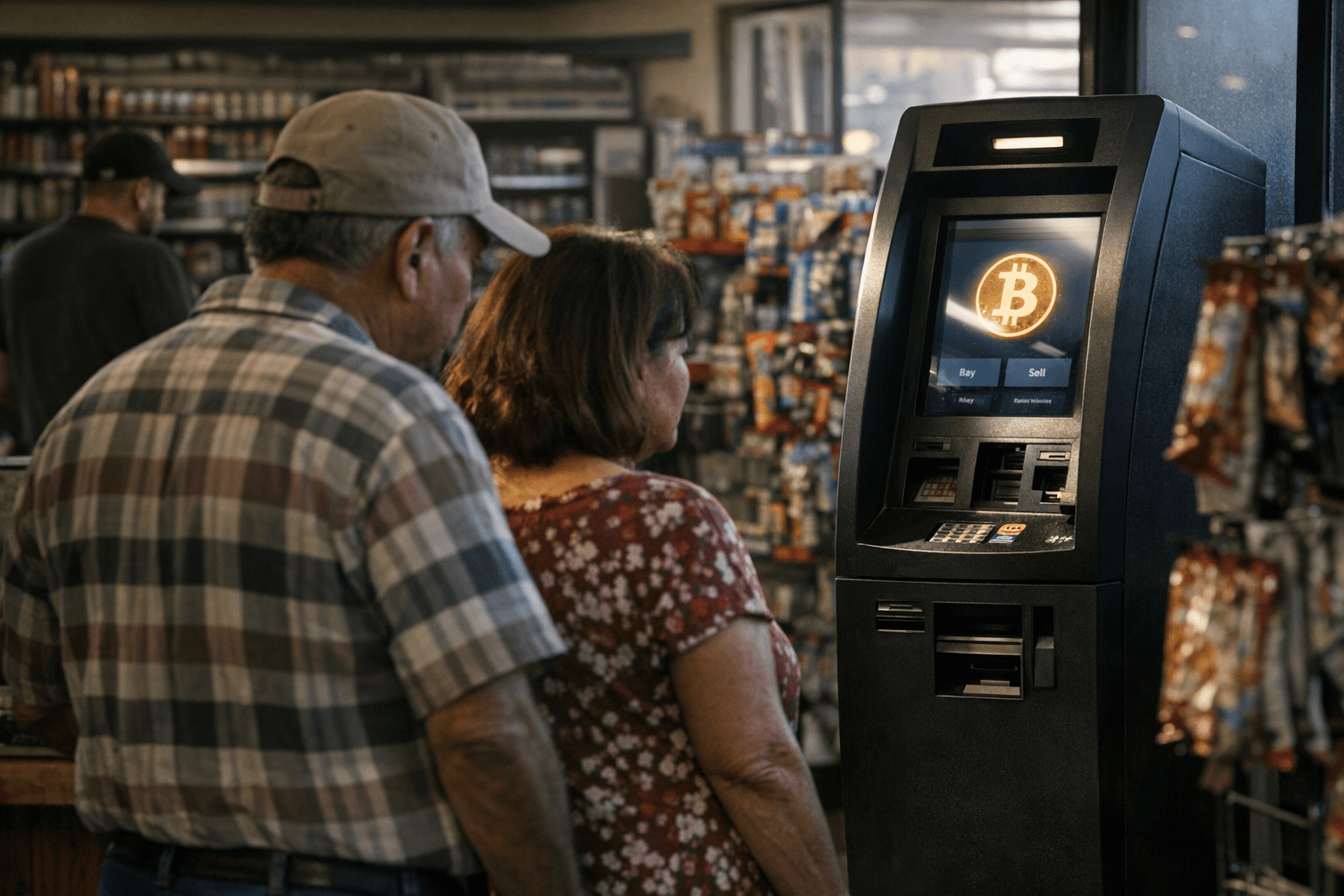
Yuma County residents are being warned to watch for a scam that can start with one phone call and end with thousands of dollars gone in minutes. Federal Trade Commission data released in September 2024 showed Bitcoin ATM fraud losses topped more than $65 million in just the first six months of 2024, with a median reported loss of $10,000.
The danger is showing up in ordinary places across Arizona, including convenience stores and gas stations. Scammers use the same simple formula: they call, claim to be a government official, bank representative or tech-support agent, and then create panic fast enough to push the victim to pull cash and feed it into a crypto ATM. Once the cash is converted to crypto and sent, the transaction is usually irreversible and hard to trace.
The FTC said adults 60 and older were more than three times as likely as younger adults to report losses from Bitcoin ATM scams in the first half of 2024. Most of those cases involved government impersonation, business impersonation or tech-support schemes, all built around one urgent message: act now, or something bad will happen.
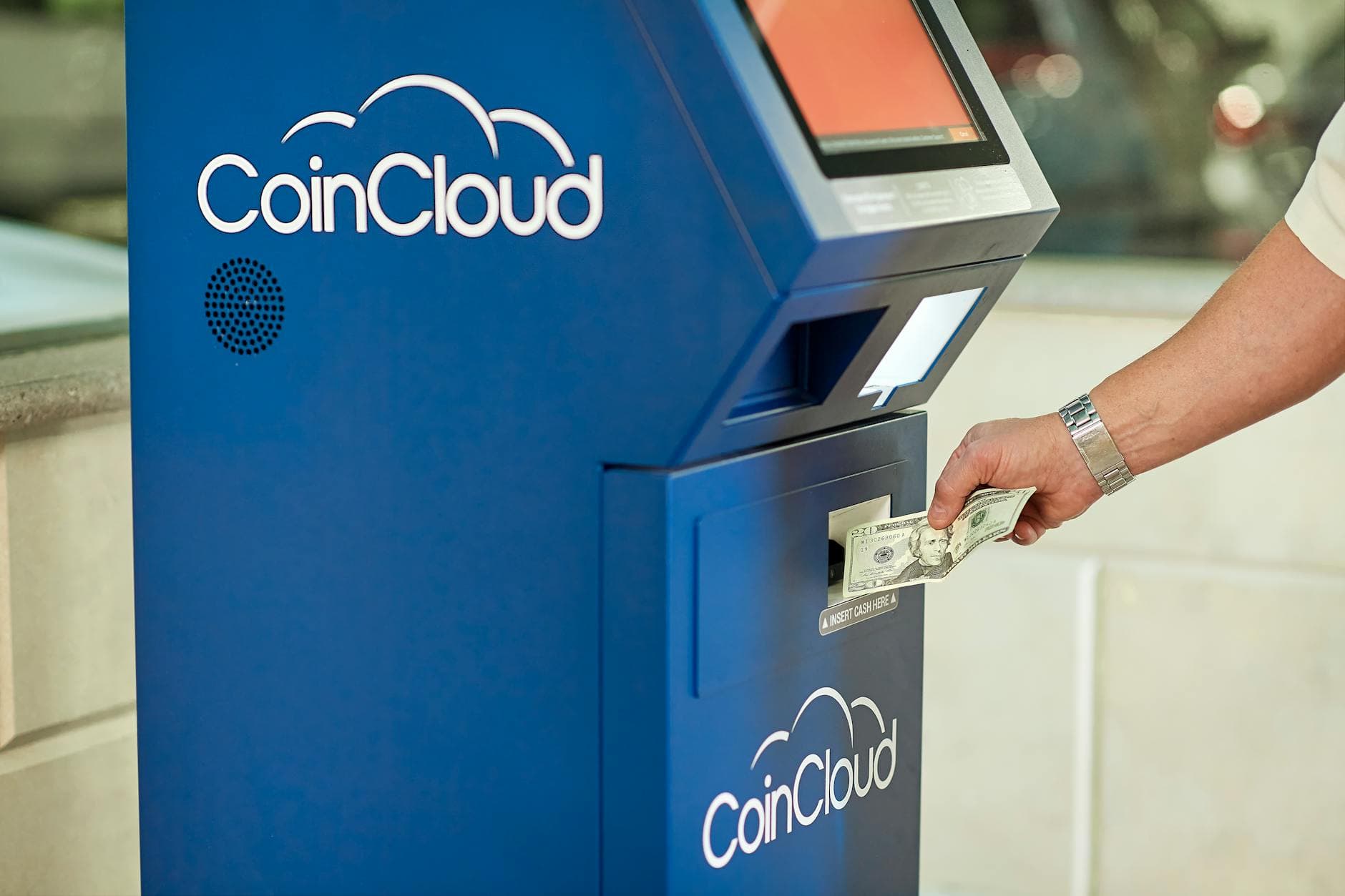
That urgency is the tell. If someone on the phone says your account is frozen, your Social Security number is compromised, your computer is infected or you owe a debt that can only be paid at a kiosk, the call is almost certainly a scam. Legitimate banks, government offices and tech companies do not send customers to a Bitcoin ATM to fix a problem.
Arizona has already moved to put guardrails around the machines. The Arizona Attorney General’s Office says the state law requires warning signs on the ATM screen, customer acknowledgment of disclosures and daily transaction limits of $2,000 for new customers and $10,500 for existing customers. Arizona also says victims who report crypto-ATM fraud within 30 days may be eligible for a full refund from the operator if they notify law enforcement or the attorney general and the operator.
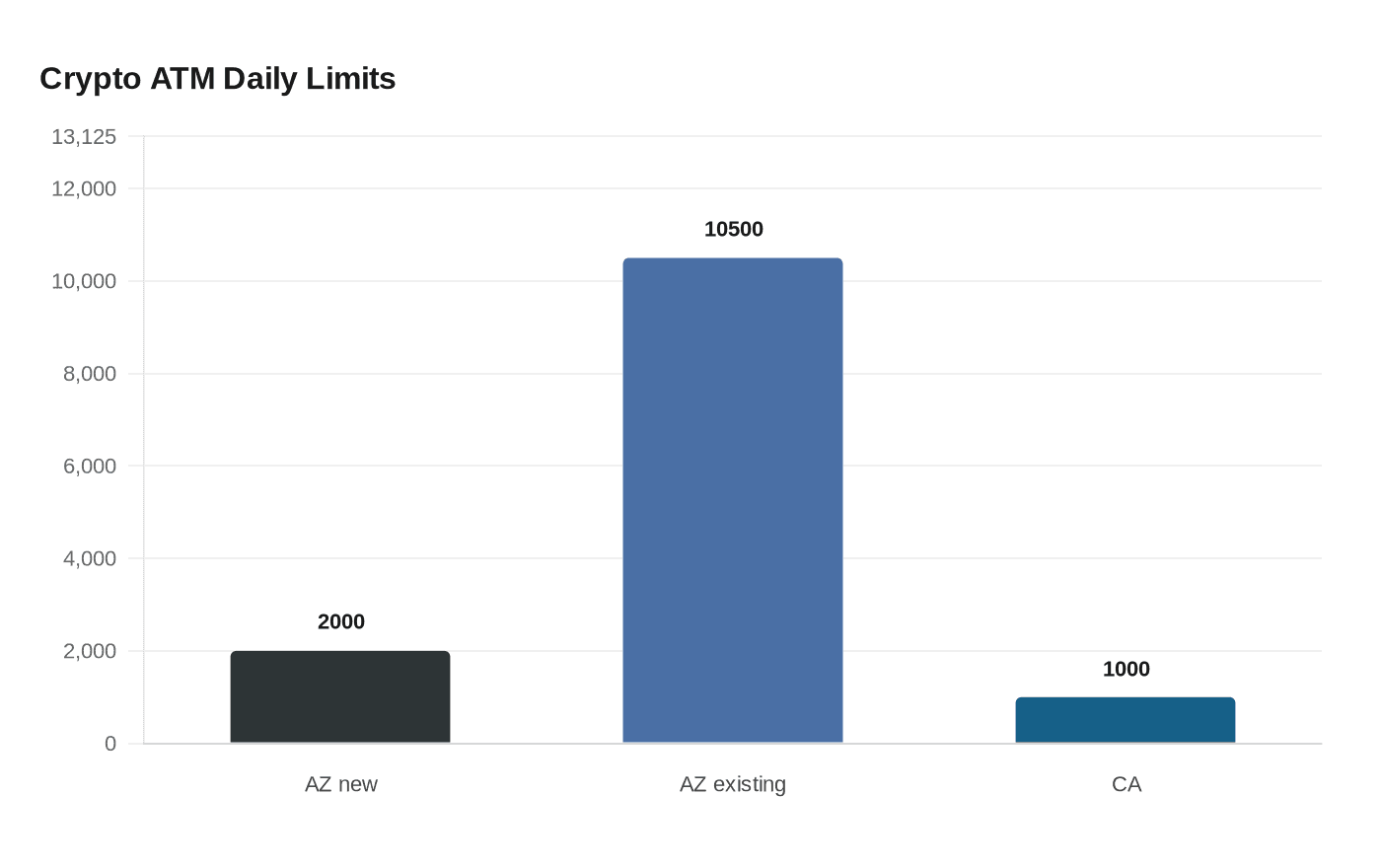
California has gone even lower, with a $1,000 daily limit on crypto kiosks. The California Department of Financial Protection and Innovation said the cap was upheld by the courts as a reasonable anti-fraud measure, reinforcing the idea that these limits are meant to slow down the kind of instant transfer scammers depend on.
Arizona Attorney General Kris Mayes and the Better Business Bureau have recently issued additional warnings aimed at seniors, reflecting how active the threat remains. For Yuma County, the risk is not confined to the internet or to big cities. It can begin with a ring at home, a message on a phone or a bad actor posing as help, then move quickly to the nearest kiosk.
This article was produced by Prism’s automated news system from verified source data, official records, and press releases, then run through automated quality and moderation checks before publishing. The system is built and supervised by the people who set the standards it runs under. Read our full AI policy.
Did this article answer your question?