Yuma Farmers Face Higher Costs, Disrupted Harvests After Wet Weather
Amigo Farms' Valentine Sierra says a wet November drove production costs up 10% in three months, threatening harvests that supply grocery shelves nationwide.
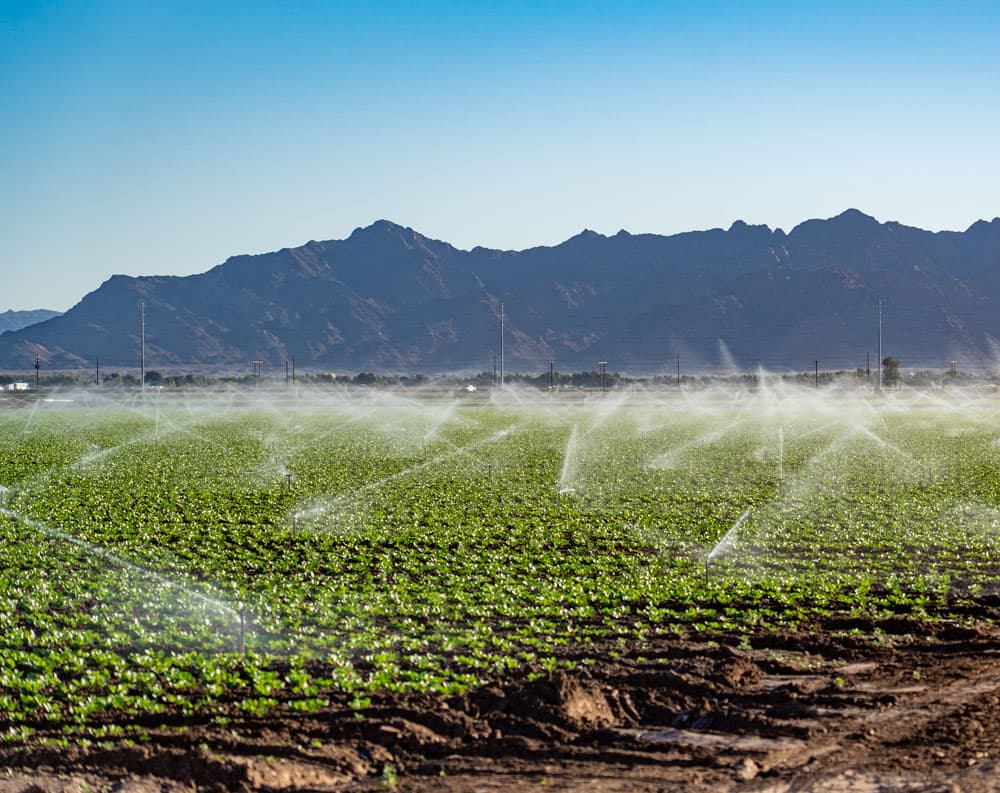
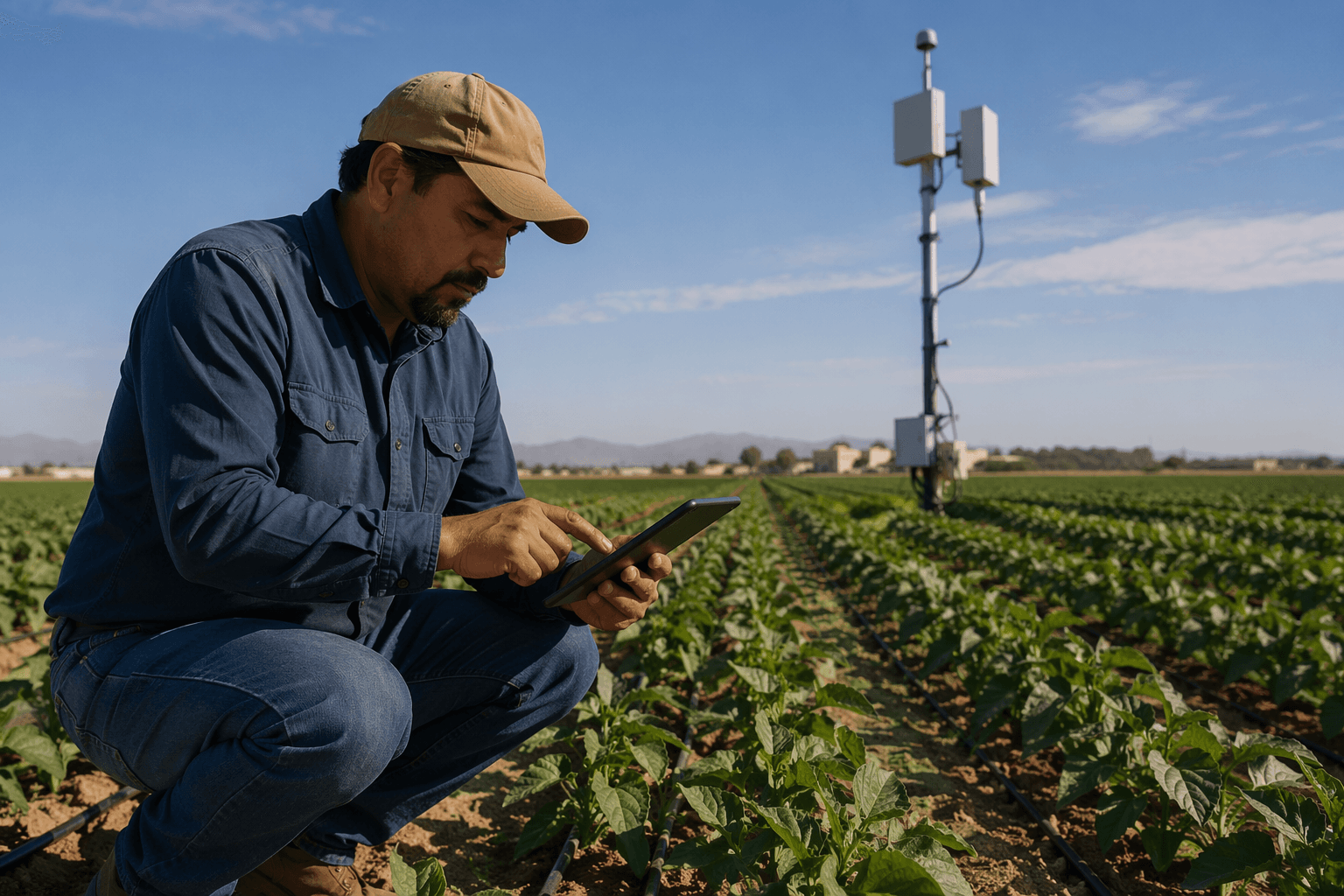
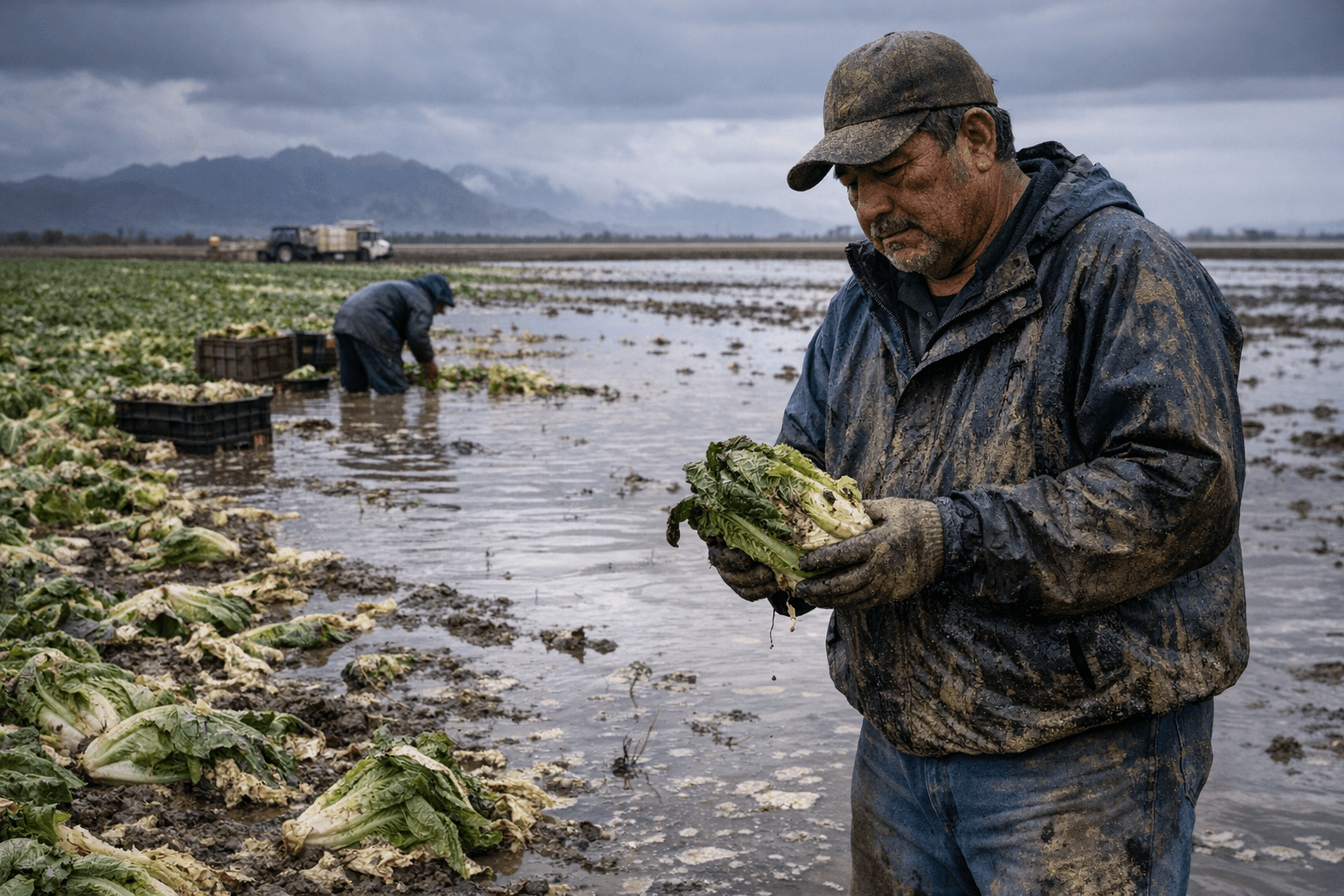
A stretch of unusually wet weather that hit the Yuma Valley in November pushed production costs at Amigo Farms up by as much as ten percent over three months, according to grower Valentine Sierra, who described scrambling to protect crops from fungal disease and insect damage while keeping harvests on schedule for national buyers.
"It impacts us deeply because if we have product down, and we get a lot of rain, now we have to worry about the fungicide and mildews. We have to plant fungicides. We are battling other plagues like insect damage and things that are coming up after it dries up," Sierra said.
The wet episode hit at the worst possible moment for a region that supplies much of the nation's winter and early-spring vegetables and melons. Harvest windows in the Yuma Valley are locked in around trucking schedules, buyer contracts, and national demand cycles. Rain arriving at the wrong point in the season can cause rot, spread fungal disease, and render produce unmarketable before it ever reaches a packing shed.
When a field becomes unworkable, growers like Sierra have one primary contingency: relocate the operation to another ranch. That kind of pivot adds logistical costs on top of the fungicide and insecticide treatments already required after a wet event, compressing margins that were already tight. Sierra said growers must watch weather model forecasts as closely as possible and have a response plan in place before the rain arrives.
Those costs do not stay on the farm. Packing sheds operating below capacity, freight companies with lighter loads, and harvest crews logging fewer hours all absorb the pressure downstream. For an agricultural economy as concentrated as Yuma's, where the winter growing season represents an outsized share of regional wages and commerce, a three-month disruption to production timelines ripples quickly through local grocery supply and out-of-state retail prices.
Sierra framed the challenge as one of constant vigilance, noting that climate variability now forces growers to prepare for both heat extremes and wet disturbances within the same season. With spring planting and harvest cycles already underway, another significant weather event would compound the financial strain on growers still absorbing the costs from November.
This article was produced by Prism’s automated news system from verified source data, official records, and press releases, then run through automated quality and moderation checks before publishing. The system is built and supervised by the people who set the standards it runs under. Read our full AI policy.
Did this article answer your question?