Yuma Leaders Criticize Support for Tariffs, Say Costs Rise
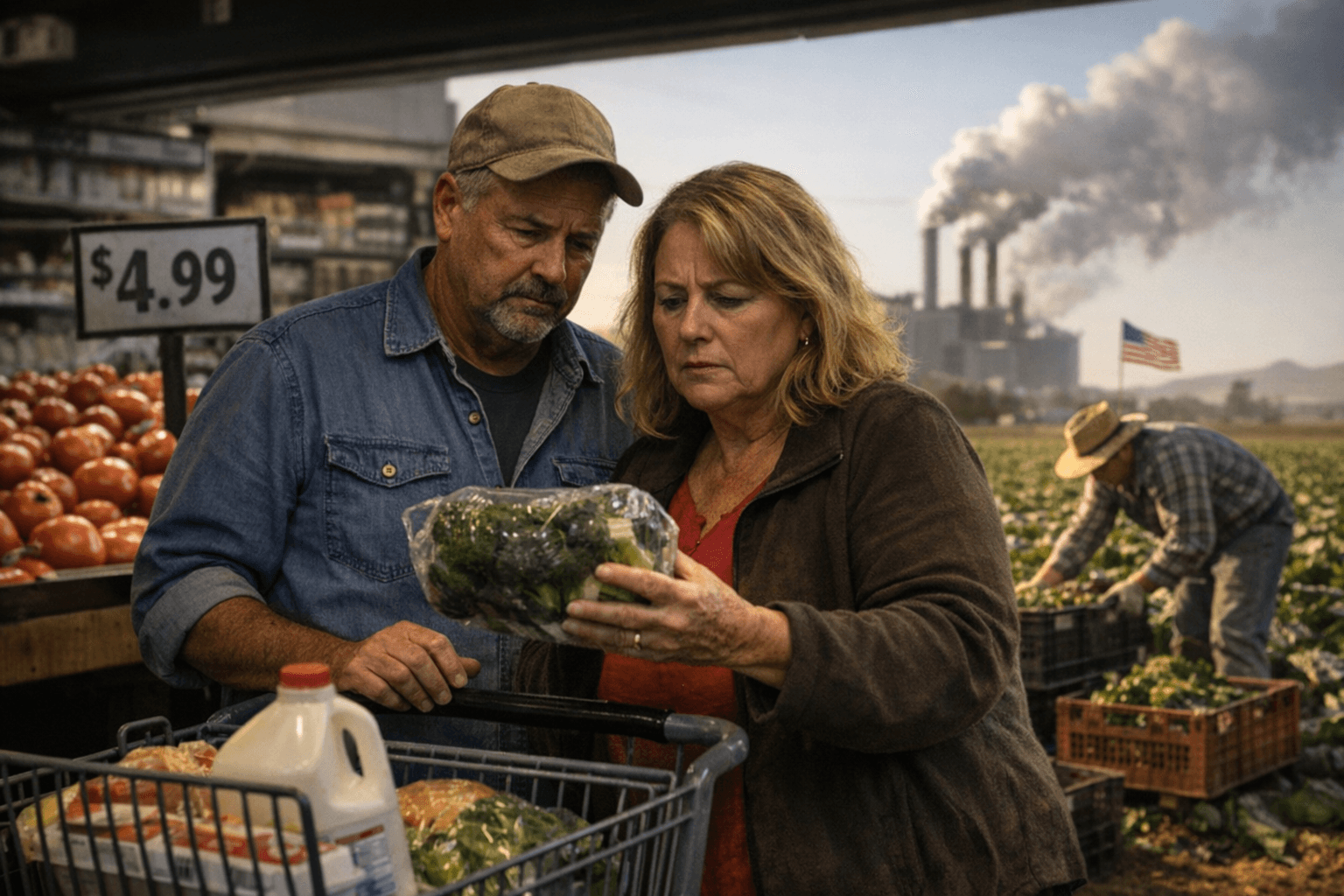
Arizona and Yuma leaders held a press event on December 18 to blame support for federal tariffs for rising holiday prices and mounting pressure on local businesses. Their warnings matter to Yuma County residents because tariffs are tied to higher grocery and rent bills, strained farm exports, and immediate cost increases for small employers.

Arizona Democratic Party officials and Yuma community leaders gathered in the Foothills on December 18 to spotlight the local effects of President Trump era tariffs and to single out three Republican gubernatorial contenders for backing them. Organizers said tariffs are adding to an affordability crisis across the county and are directly affecting families, farmers, and small businesses ahead of the holidays.
Arizona Democratic Party chair Charlene Fernandez framed the criticism in economic terms, saying, "But right now, the tariff policies of Andy Biggs, Karen Taylor Robertson, and David Schweikert are leading to an affordability crisis that puts our community at risk." Fernandez also warned that the measures disproportionately harm Arizona because of the state s export oriented agriculture sector, saying, "Tariff hurts Arizona more than they hurt other states. We export much more agriculture product than we import. If we lose those markets, those farms fail. It's that simple."
Local service providers echoed the concern about household strain. Healing Journey CEO and mental health professional Estrella Fitch said, "Families are suffering right now. The cost of living has gone too high." Yuma County Democratic Party chair Xanthe Bullard pointed to rapid consumer price increases, noting that rent and groceries are rising and that coffee prices have jumped sharply, "It's the biggest increase since the 1990's on coffee."
Small business owners in Yuma described immediate impacts. A local coffee shop owner who sources beans from Mexico reported that a supplier implemented a flat rate increase of 25 percent, creating pressure to raise menu prices while also managing wage demands. Those pressures amplify the public concerns cited by organizers and threaten margins for locally owned retailers.
The candidates named by speakers have expressed support for tariffs in public forums and social media, and one of the elected figures cited in the event told a Phoenix television station, "I’m probably on the phone with the White House every other day." Reporters reached out to the three Republican leaders mentioned in the event for response, they had not replied by the time of publication.
For Yuma residents the debate is no longer abstract. With higher grocery bills, rising rent costs, and direct supplier increases for neighborhood businesses, officials said the community needs policy decisions that consider local agriculture markets and household budgets as the next legislative and campaign discussions unfold.
This article was produced by Prism’s automated news system from verified source data, official records, and press releases, then run through automated quality and moderation checks before publishing. The system is built and supervised by the people who set the standards it runs under. Read our full AI policy.
Did this article answer your question?


