Yuma Mother Accused in Toddler's Death Returns to Court, Hearing Continued
Angelina Vasquez's trial-setting hearing in her toddler son's death was continued to April 15, when a Yuma judge is expected to lock in a trial schedule.
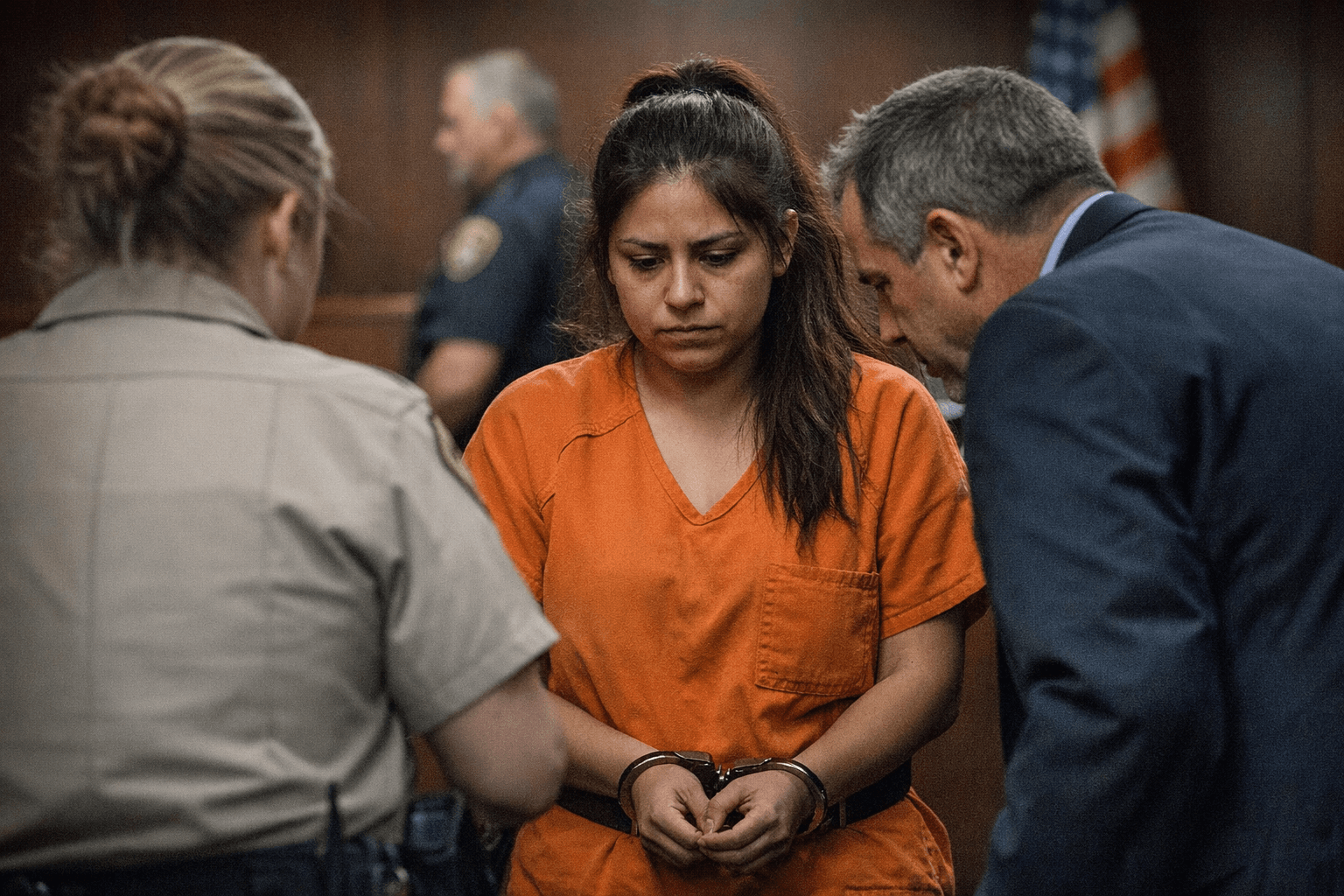
Angelina Vasquez's March 31 appearance in Yuma County Superior Court ended without a trial date after a judge continued her trial-setting and change-of-plea hearing to April 15.
Vasquez faces first-degree murder, child abuse, and abandonment and concealment of a dead body in connection with the 2025 death of her two-year-old son. Her co-defendant, Miguel Garcia, faces charges from the same investigation. The April 15 hearing is where a judge is expected to officially set trial dates, barring any additional delay.
The case began in late May 2025, when Yuma Police responded to a suspicious incident and found human remains believed to be those of a small child. Vasquez, then about 20 years old, and Garcia were arrested and formally charged by early June 2025.
A continuance at the trial-setting stage is a standard procedural move in Arizona courts. It gives prosecutors and defense attorneys additional time to complete evidence disclosures, argue questions over admissibility, and evaluate whether a plea agreement is viable. If no deal is reached by April 15, the court calendar toward trial gets fixed at that hearing.
First-degree murder under Arizona law requires proof that the killing was premeditated. The child abuse count carries its own threshold: prosecutors must show Vasquez knowingly caused or permitted physical injury or created a serious risk of harm to a minor.
Families in Yuma County dealing with child welfare concerns can reach Amberly's Place, Yuma's local Family Advocacy Center, at 928-373-0849; crisis response advocates are available 24 hours a day. The Arizona Department of Child Safety's statewide child abuse hotline is also reachable at 1-888-767-2445.
This article was produced by Prism’s automated news system from verified source data, official records, and press releases, then run through automated quality and moderation checks before publishing. The system is built and supervised by the people who set the standards it runs under. Read our full AI policy.
Did this article answer your question?