Yuma Proving Ground recalls D-Day link to World War II training
Yuma Proving Ground tied D-Day back to Camp Laguna, where the 8th and 79th Infantry Divisions trained before Normandy and the desert’s wartime role still shapes the base.
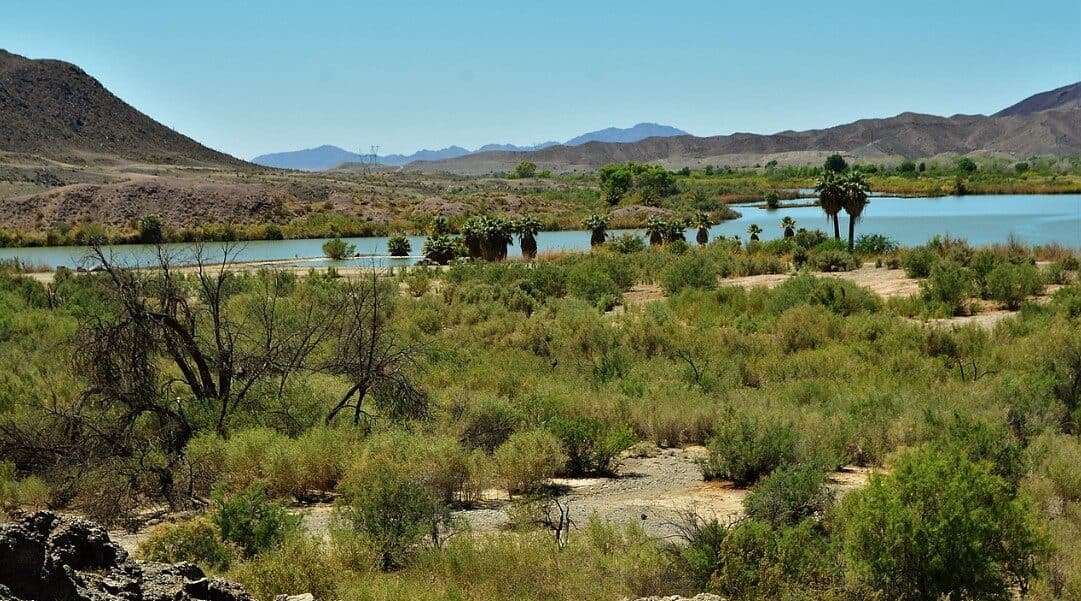
D-Day remembrance reached far beyond the beaches of Normandy and back into the desert outside Yuma, where Camp Laguna once sat inside what is now Yuma Proving Ground. The Army installation is the last active post in the Desert Maneuver Area, and its wartime past still marks the ground under today’s testing ranges and training lanes.
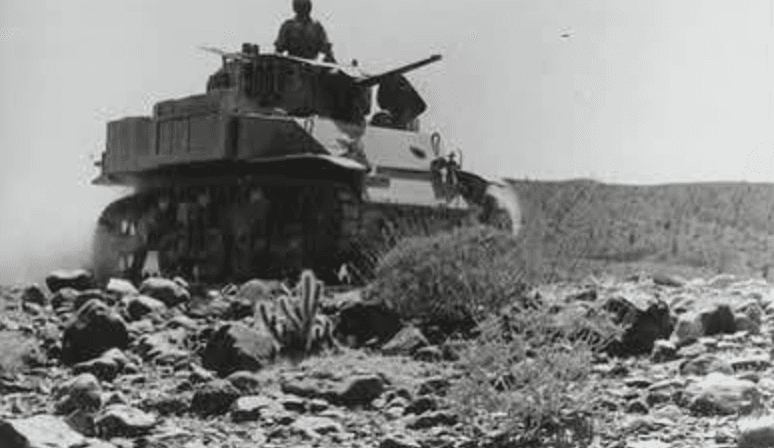
During World War II, the Desert Southwest became a vast proving ground for troops headed overseas. Army history says Camp Laguna was one of 12 major U.S. Army desert training camps in the California-Arizona Maneuver Area, an 18,000-square-mile expanse chosen by Gen. George S. Patton Jr. that trained more than one million soldiers. A National Park Service presentation by historian William J. Heidner put the broader Desert Training Center and California-Arizona Maneuver Area at 25 divisions and more than 1.5 million men.
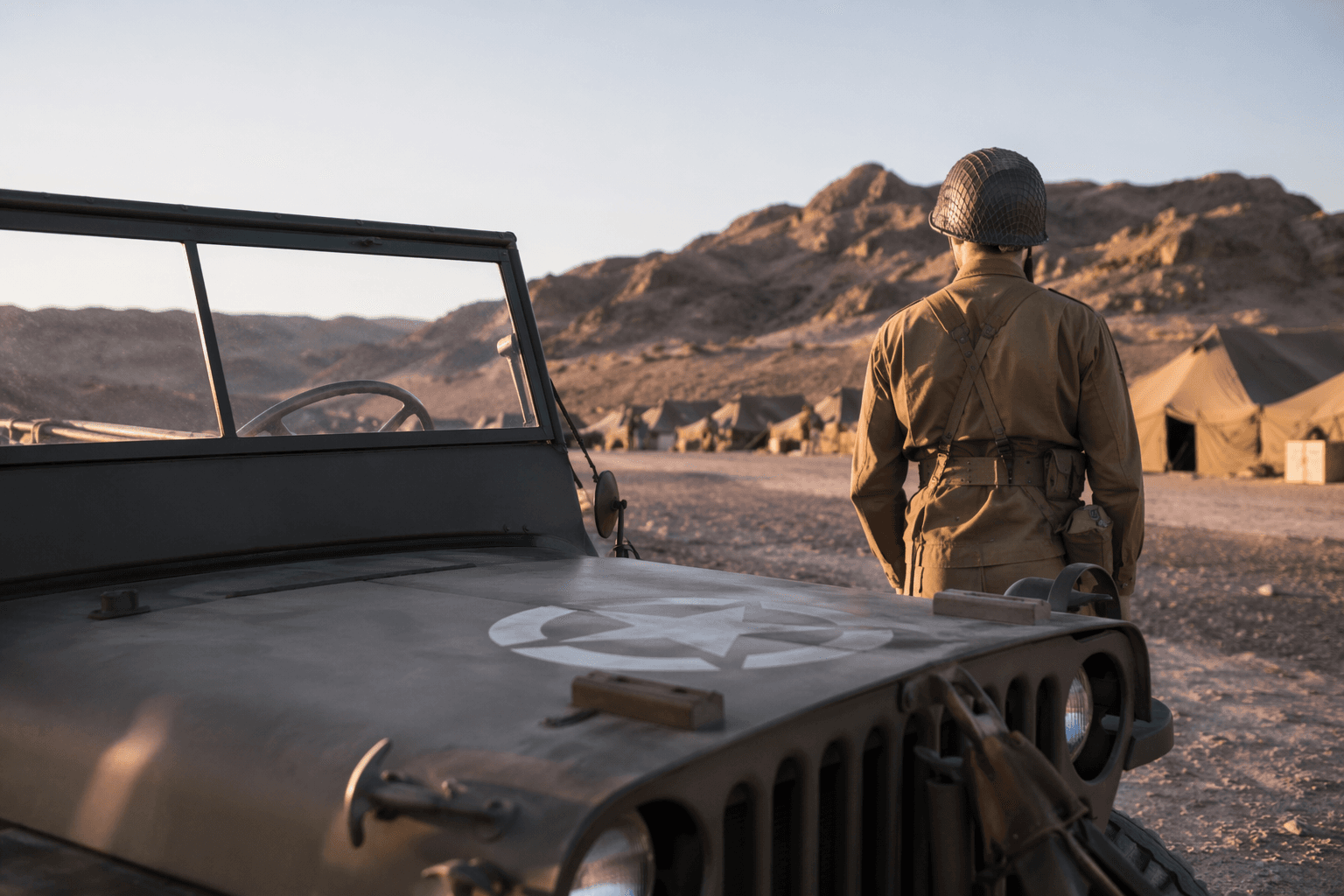
That local history is tied directly to June 6, 1944. Army sources say seven of the 20 divisions that trained in the Desert Southwest were in the first wave that assaulted Normandy, including the 8th Infantry Division and the 79th Infantry Division, both of which trained at Camp Laguna. The same Army account says those divisions later helped repel the German Ardennes offensive and liberated Nazi death camps in Germany, making the Yuma connection part of a much larger wartime arc that stretched from the desert to Europe.
The military value of the site went beyond drilling soldiers. Army reporting says the M2 Treadway Bridge was rapidly tested at the Yuma Test Branch before Normandy, and YTB engineers also helped develop the cantilevered delivery system for the Bailey Bridge, a tool that became crucial in wartime river-crossing operations. That engineering legacy still fits YPG’s modern mission: the installation says it tests virtually every piece of equipment in the ground combat arsenal.
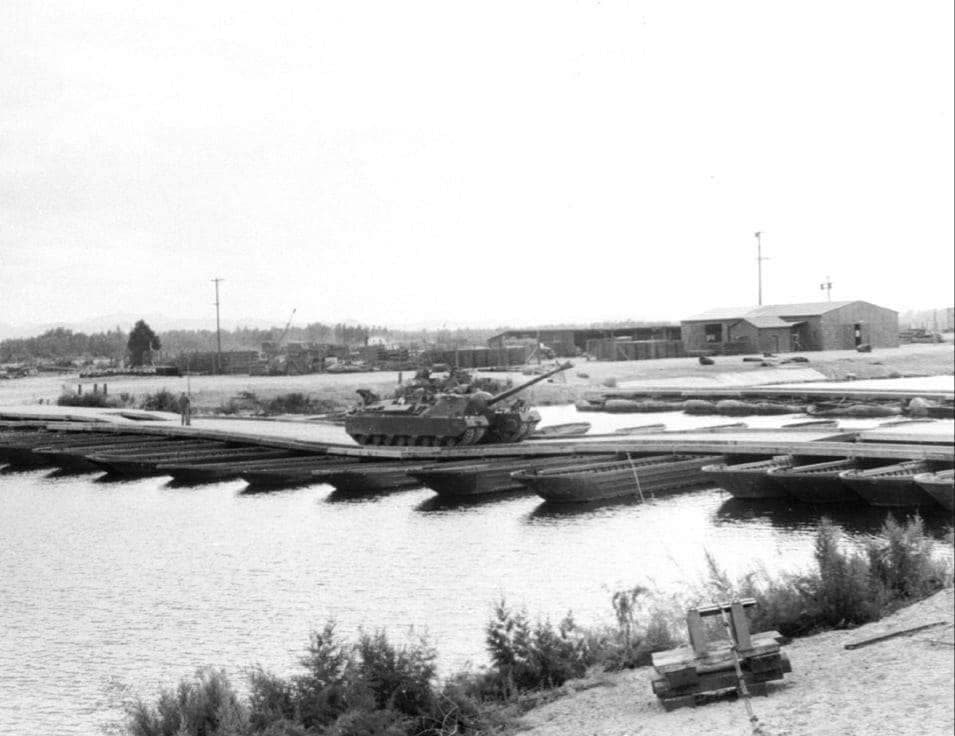
The heritage work has not stopped, either. The Arizona State Historic Preservation Office has pushed for more interpretive opportunities, and YPG’s Heritage Center has expanded galleries dedicated to the California-Arizona Maneuver Area and Camp Laguna. Today, more than 2,000 civilian personnel work at YPG, making it Yuma County’s top civilian employer and giving the post a dual identity that links World War II history to the region’s military present.
This article was produced by Prism’s automated news system from verified source data, official records, and press releases, then run through automated quality and moderation checks before publishing. The system is built and supervised by the people who set the standards it runs under. Read our full AI policy.
Did this article answer your question?