Yuma students tackle crop pests through hands-on University of Arizona research
Yuma students tested pest-fighting tools for lettuce and broccoli, aiming to cut losses in fields that anchor a $3.2 billion farm economy.
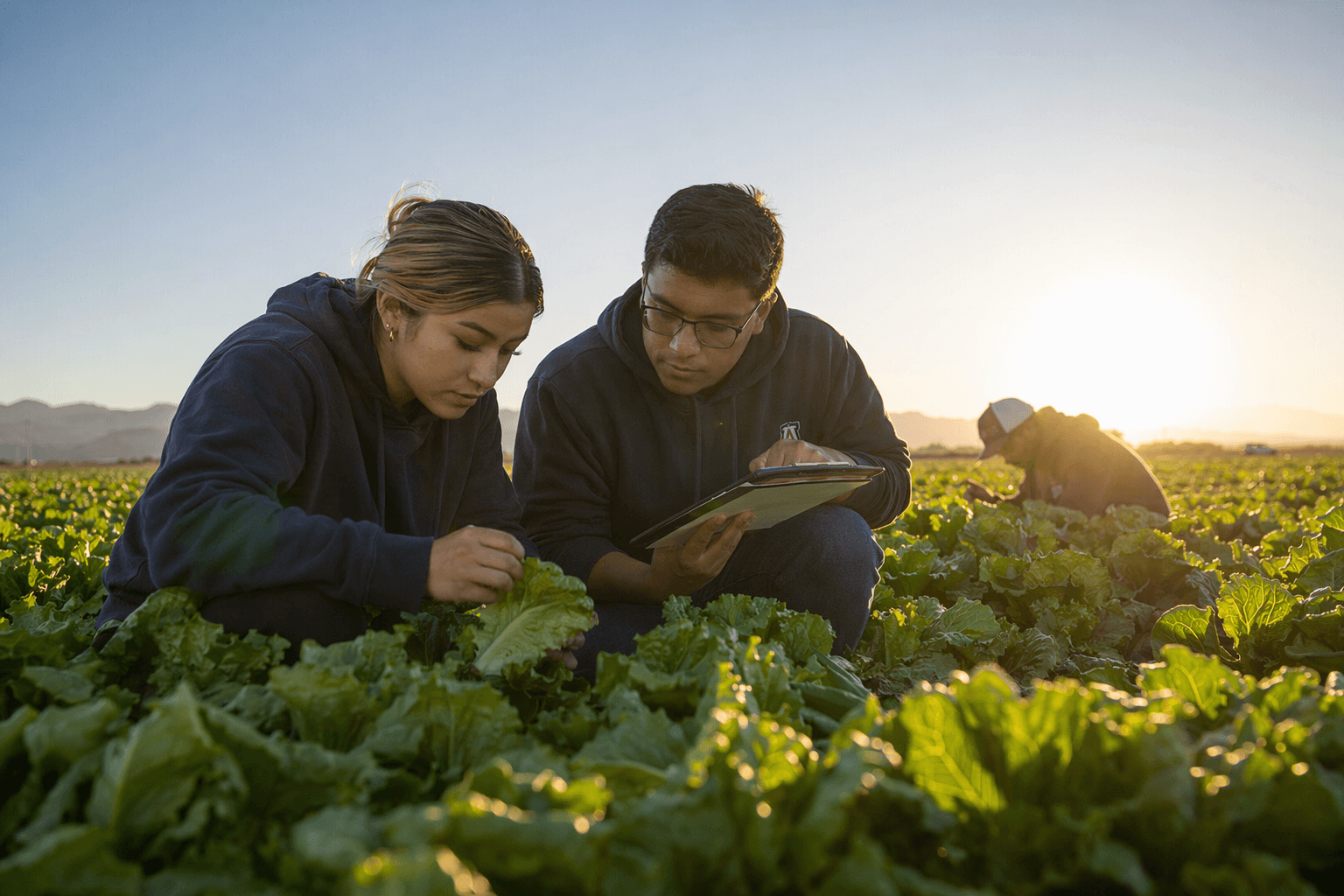
A student-built trap for diamondback moths could help Yuma growers protect winter lettuce and broccoli while cutting losses in fields that help drive Arizona’s farm economy. At the University of Arizona’s Yuma Agricultural Center, undergraduates are moving beyond classroom labs and into desert production fields to test pest, weed and plant-health solutions that matter directly to Yuma County agriculture.
The work comes through the Junior Vegetable Integrated Pest Management team, a USDA NIFA Crop Protection and Pest Management grant-funded program managed by Macey Keith. Students are getting practical training in entomology, plant pathology and weed science while tackling the kinds of problems Arizona growers face every season in pest-intensive desert cropping systems. University of Arizona materials describe Yuma as one of the world’s most productive regions for leafy vegetables, brassicas and melons, and say the area’s agricultural industry contributes $3.2 billion annually to the state economy.
One student, Josett Clark, focused on the diamondback moth, a recurring pest in desert vegetable systems. Her project tested behavioral controls using UV lights and sweet alyssum flowers to attract and intercept adult moths before they lay eggs and damage crops. That kind of early detection matters in Yuma, where diamondback moth populations drop near zero during the summer and return each fall with transplant movement and seasonal conditions. Clark’s research was strong enough to earn a travel grant to present at the Entomological Society of America conference in Spokane, Washington, a sign that work rooted in Yuma fields is getting attention beyond the region.

Another student, Rosaelba Soto, studied biological pest control in organic lettuce and broccoli using lady beetles against aphids. Her project reflected the kind of field-ready problem solving that can save growers money on sprays, protect crop quality and reduce labor tied to repeated pest management passes. Soto also said the experience changed her career interests by showing how entomology and plant pathology overlap, a reminder that the program is also building the next generation of agricultural scientists.
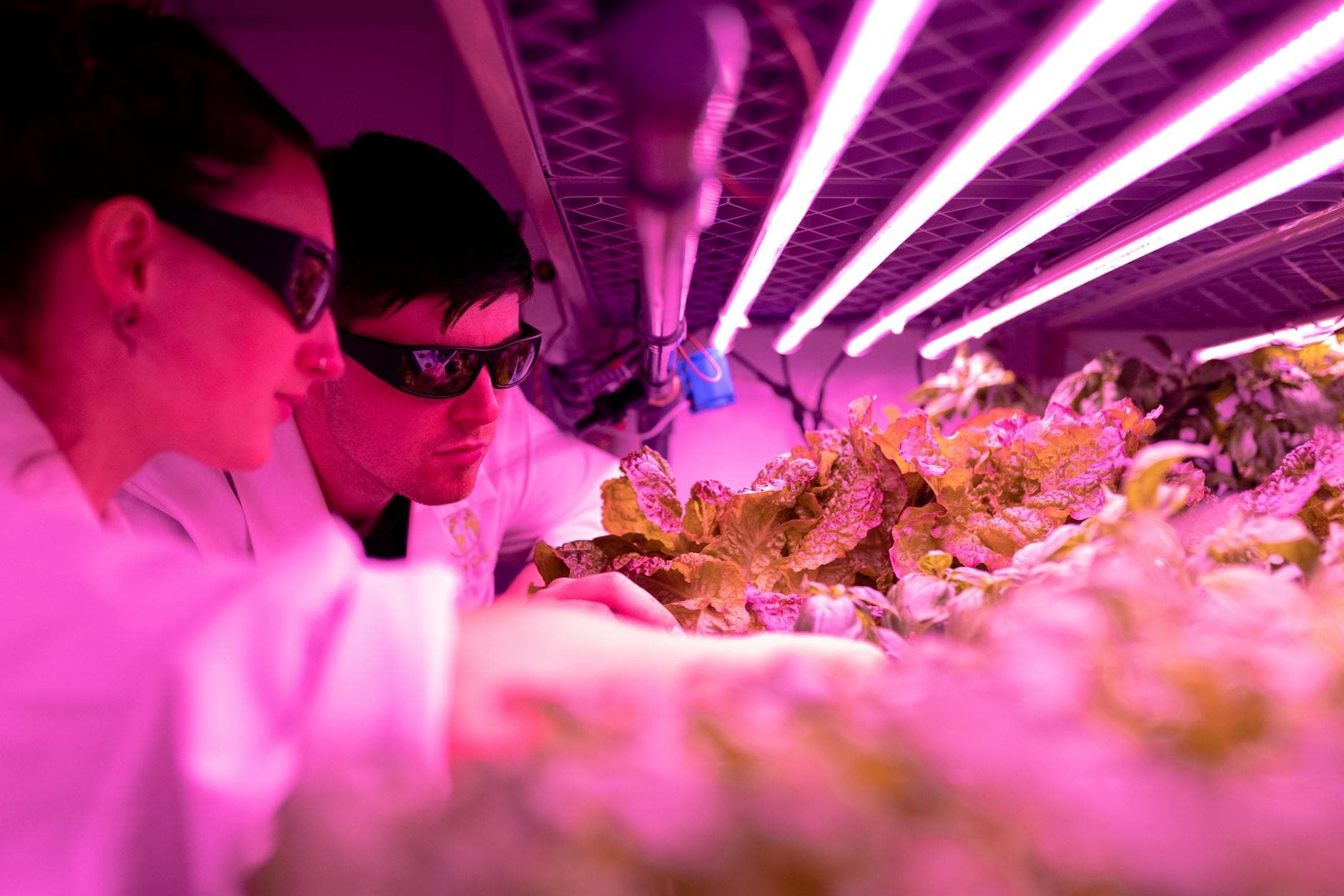
The Yuma Agricultural Center says its Valley Farm covers 274 acres and supports research on lettuce, broccoli and other vegetables. The center is expanding infrastructure for water conservation, soil health, emerging pests and pathogens, plant-soil interactions and farming system design. The broader vegetable IPM program has also been evaluated for effectiveness and economic impact through surveys of growers, pest control advisors and other stakeholders, while the Yuma Fresh Vegetable Association says it has spent more than six decades helping solve local farm problems and support new agriculture innovators. If these student projects move from trial plots to commercial use, the payoff could reach far beyond campus, into lower losses, tighter pest control and a stronger future for Yuma’s farm economy.
This article was produced by Prism’s automated news system from verified source data, official records, and press releases, then run through automated quality and moderation checks before publishing. The system is built and supervised by the people who set the standards it runs under. Read our full AI policy.
Did this article answer your question?