Yuma Will Inspect Service Lines for Older Homes After EPA Rule
The City of Yuma announced on December 17 that it will notify residents whose homes were built before 1990 about upcoming inspections of service lines into residences, fulfilling an EPA driven requirement to verify service line materials. The inspections are preventative and intended to protect drinking water safety, and the city says past inspections have found no lead service lines to date.
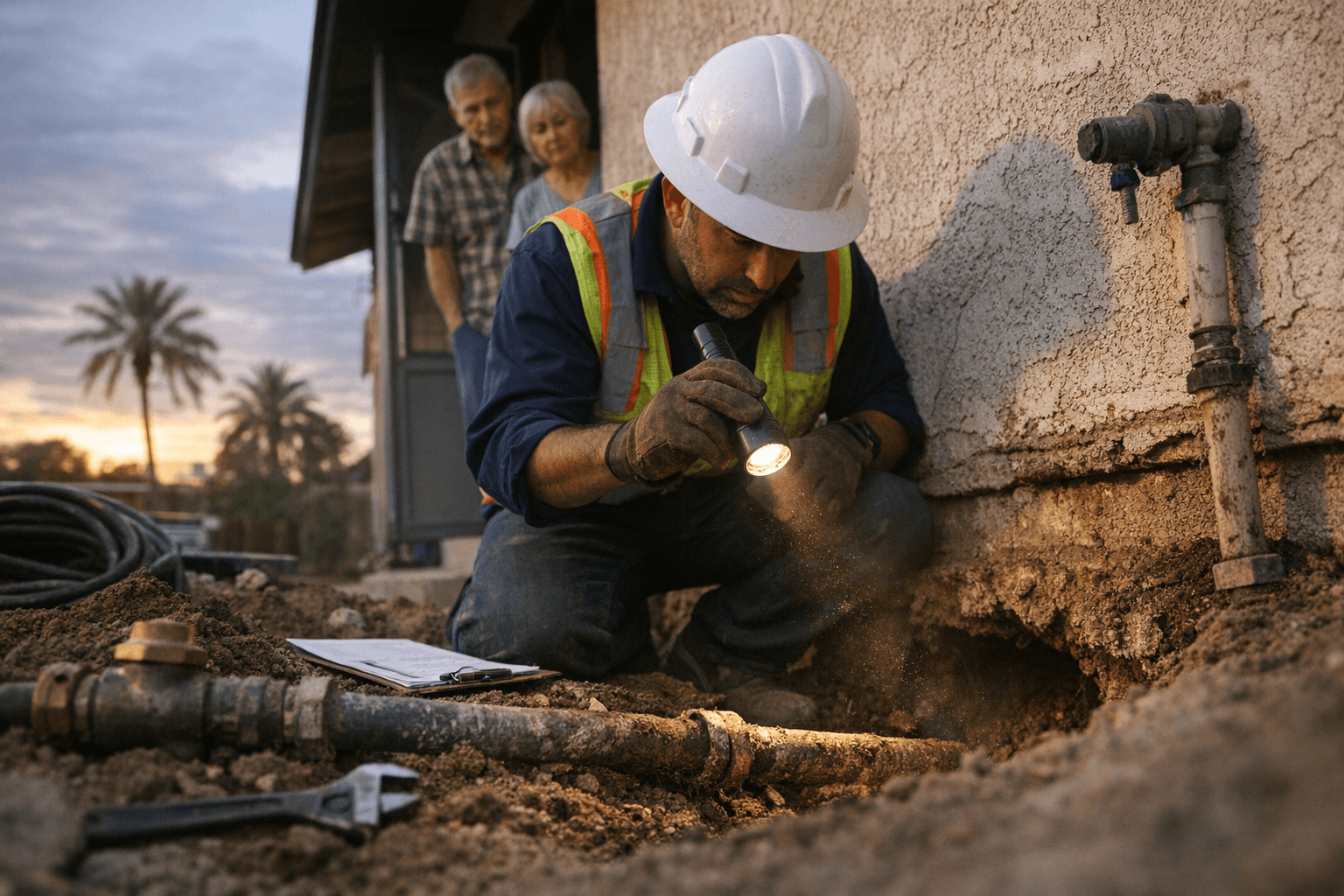
On December 17 the City of Yuma said it will begin notifying homeowners with residences built before 1990 that their service lines into the home will be inspected. The action stems from an EPA driven requirement to verify the materials used in customer service lines. The city emphasized that receiving a notice does not mean there is lead in a home water supply, only that the line has not yet been inspected.
City officials reported that more than 12,000 inspections previously conducted have turned up no lead service lines. Officials described the inspections as preventative measures designed to confirm service line materials and to support drinking water safety for the community. The city and the EPA will provide information to residents about what to expect and how inspections will be scheduled.
The inspections will focus on the connection between the public water main and the plumbing inside residences. For homeowners this means the city will contact those whose properties meet the built before 1990 criterion to arrange times and to explain access procedures. The city has said it will coordinate scheduling and provide guidance so residents understand the scope of the inspection and any follow up steps if materials need further testing.
The EPA driven verification requirement places a compliance obligation on local water systems and raises practical questions about staffing, scheduling, and long term planning for service line replacement if problematic materials are identified. For Yuma residents the process touches on transparency and trust in water governance, since how the city communicates findings and funds any necessary replacements will shape public confidence.
Civic engagement will matter as the city implements this program. Homeowners should monitor official notices, verify credentials of anyone conducting inspections, and seek information about timelines, cost implications, and next steps if a material of concern is identified. The city and federal oversight together are aiming to complete verification while minimizing disruption, and the large number of prior inspections without lead findings provides context as the effort continues.
This article was produced by Prism’s automated news system from verified source data, official records, and press releases, then run through automated quality and moderation checks before publishing. The system is built and supervised by the people who set the standards it runs under. Read our full AI policy.
Did this article answer your question?


