10 Tech Products That Were Discontinued Way Too Soon
Some gadgets were simply ahead of their time, while others were doomed from the start. These 10 tech products had devoted fans but were discontinued before they could reach their full potential.
1. HP TouchPad
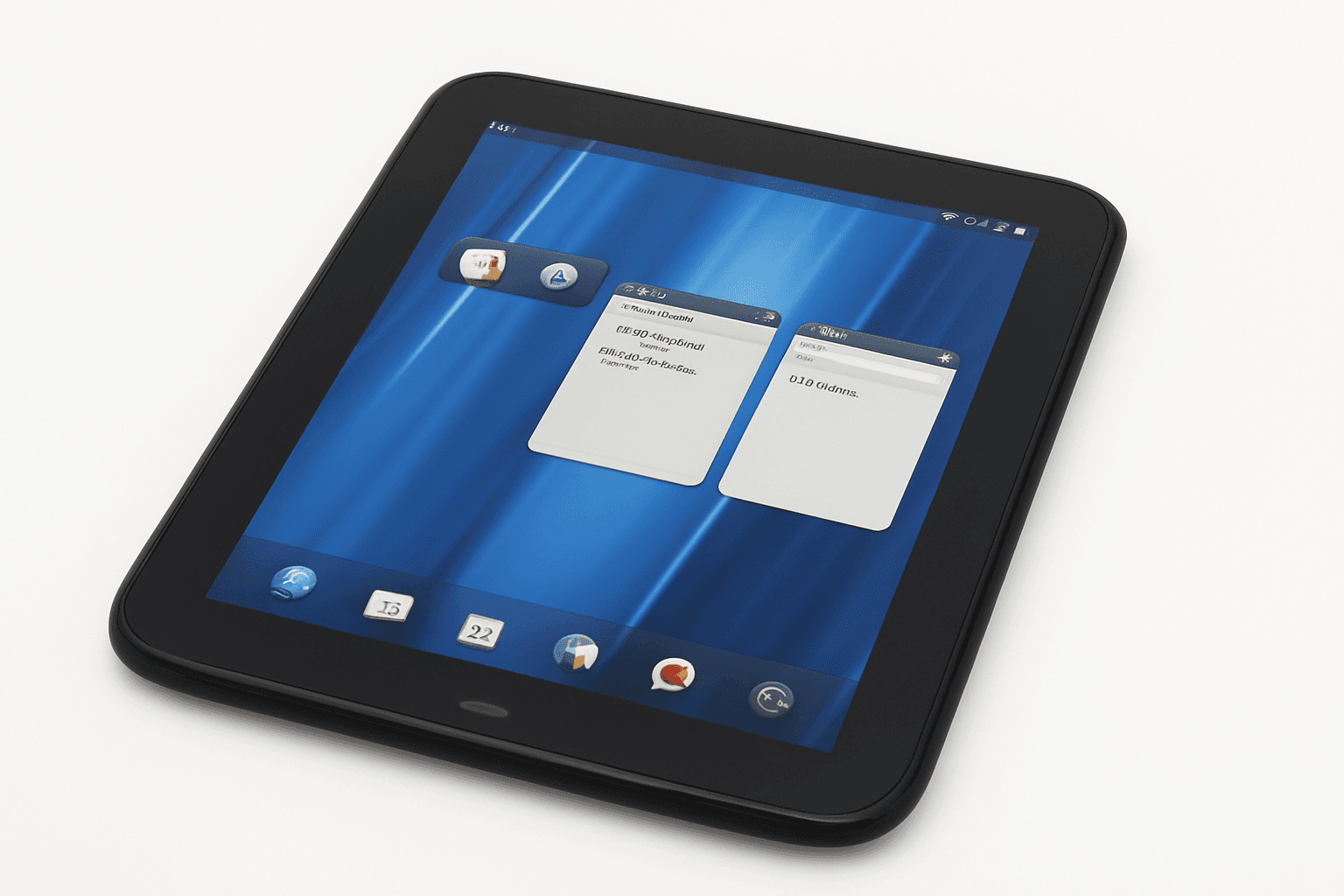
HP bought Palm and launched the TouchPad with high hopes, but pulled the plug on webOS hardware just six weeks later. The tablet went from flagship product to clearance bin almost overnight. Retailers scrambled to offload inventory while HP absorbed massive write-downs. The lesson was clear: big acquisitions do not guarantee patience, and sometimes the market writes the obituary faster than strategy can adapt.
2. Juicero
Remember the Wi-Fi connected juicer that became a Silicon Valley punchline? Juicero raised over $100 million from top-tier investors before Bloomberg revealed you could squeeze the juice packs by hand just as effectively. The startup collapsed and offered refunds. It became shorthand for tech industry excess: a gadget solving a problem nobody had, built by people who never asked if anyone actually needed it.

3. Amazon Fire Phone
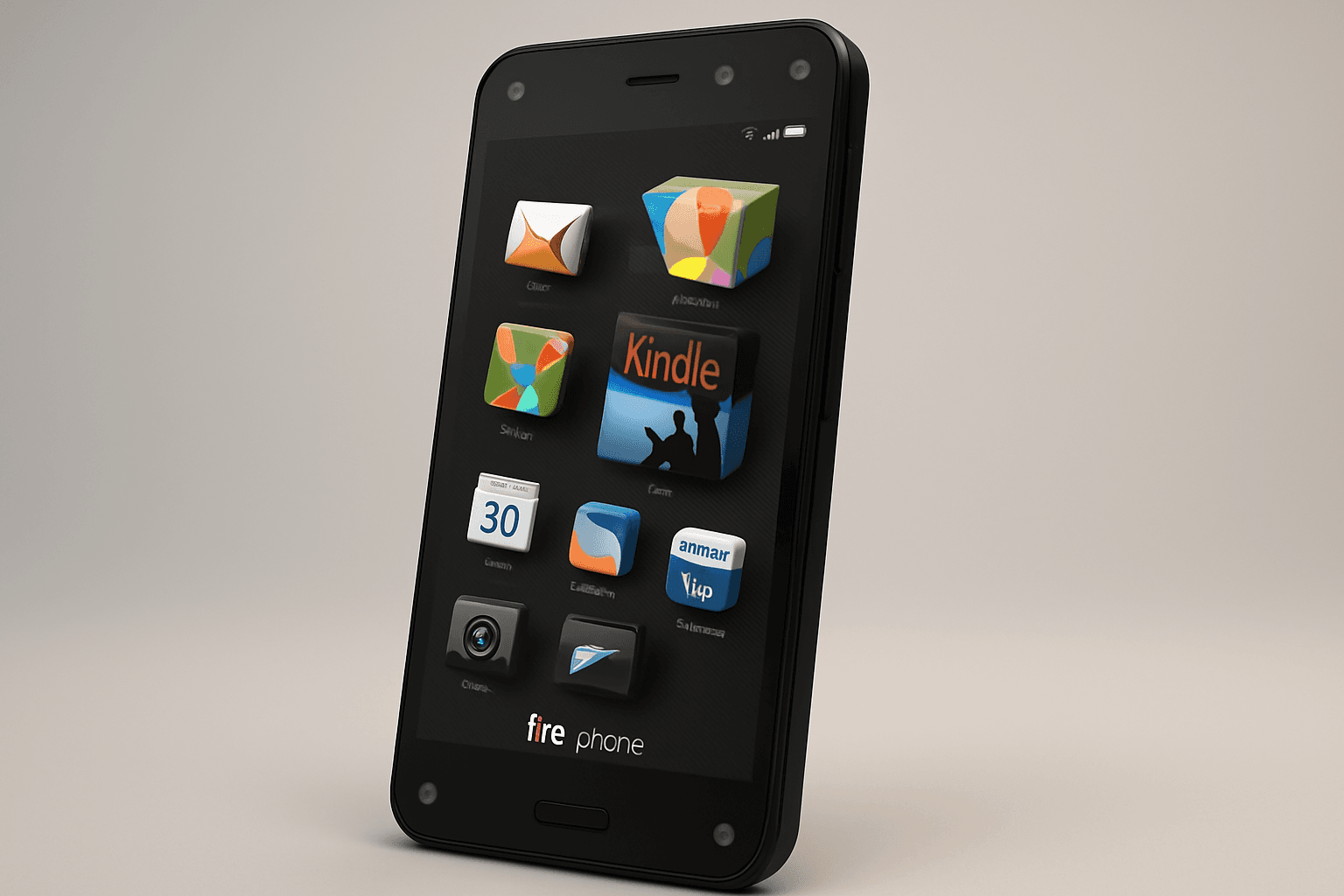
Amazon entered the smartphone market with Dynamic Perspective and Firefly features that seemed innovative on paper. Reality was different. The phone flopped spectacularly, leading to a write-down of hundreds of millions. The Fire Phone proved that even Amazon could not muscle its way into every market. Sometimes being late to the party with gimmicky features is worse than not showing up at all.
4. Pebble Watch
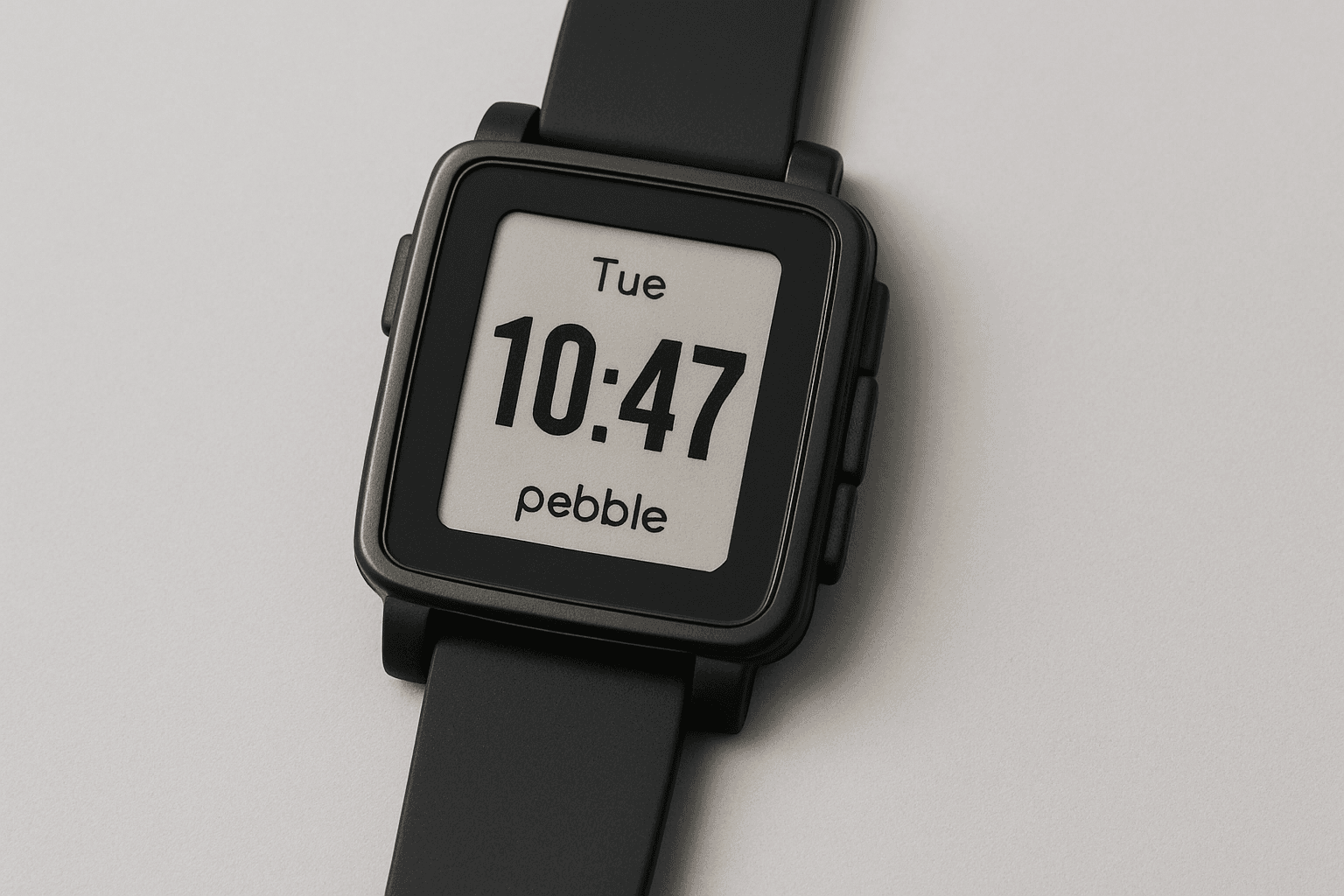
Pebble pioneered the smartwatch category and built a passionate community through Kickstarter. But when Apple and Android Wear arrived with deeper pockets, Pebble could not compete. The company sold to Fitbit, and the watches stopped getting updates. Pebble proved that being first does not mean being safe. The pioneers often end up with arrows in their backs.
5. BlackBerry
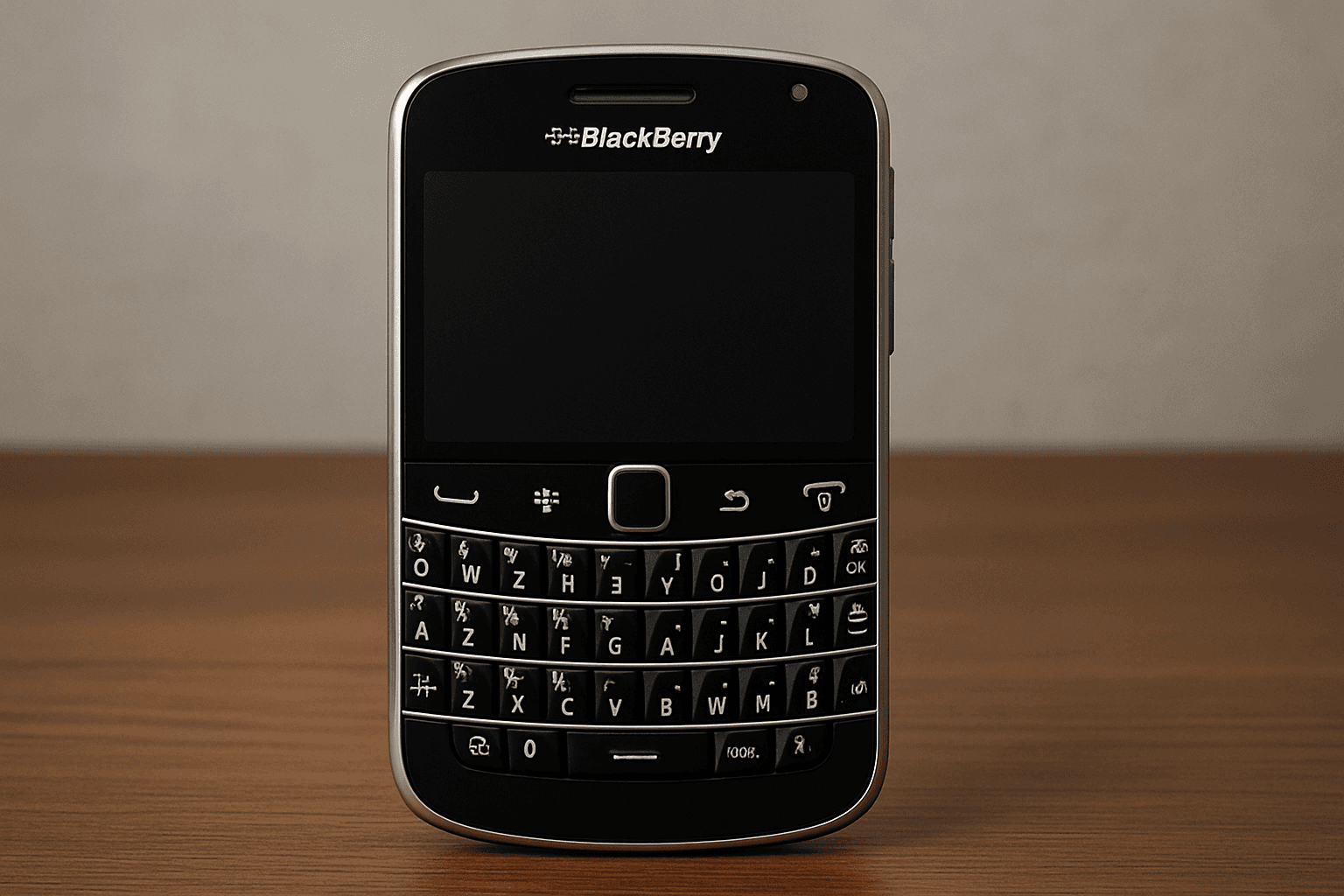
Once the must-have device for business professionals, BlackBerry dominated corporate email. Then the iPhone arrived and changed everything. BlackBerry clung to physical keyboards while the world moved to touchscreens. By the time they adapted, it was too late. The company that defined mobile productivity became a cautionary tale about ignoring market shifts.
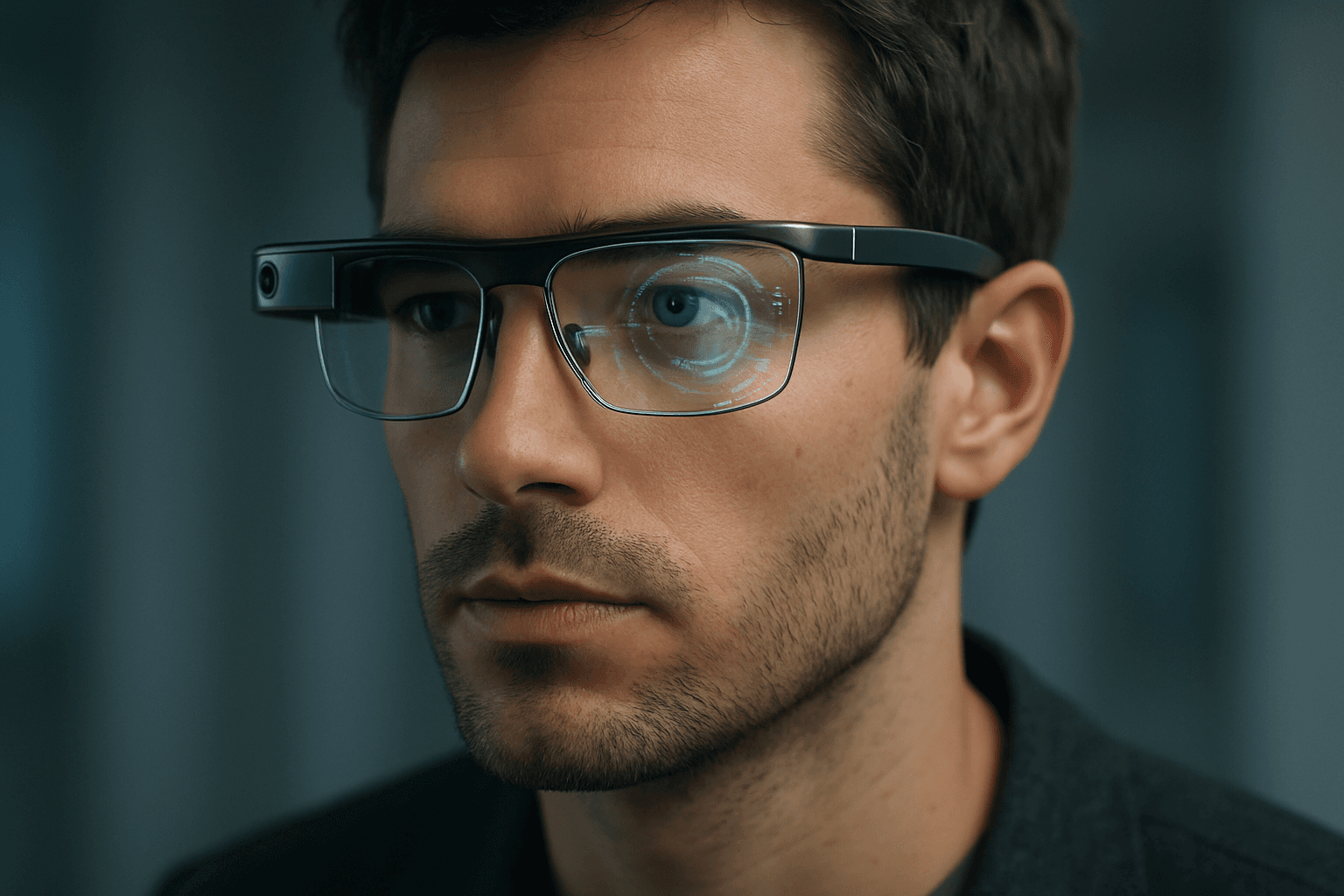
6. Google Glass
Google Glass promised an augmented reality future on your face. Instead, it delivered privacy concerns and the unflattering "Glasshole" nickname. The Explorer Edition never made it to consumers, and the project was shelved. Glass was perhaps too early, too expensive, and too socially awkward. Sometimes being ahead of your time is indistinguishable from being wrong.
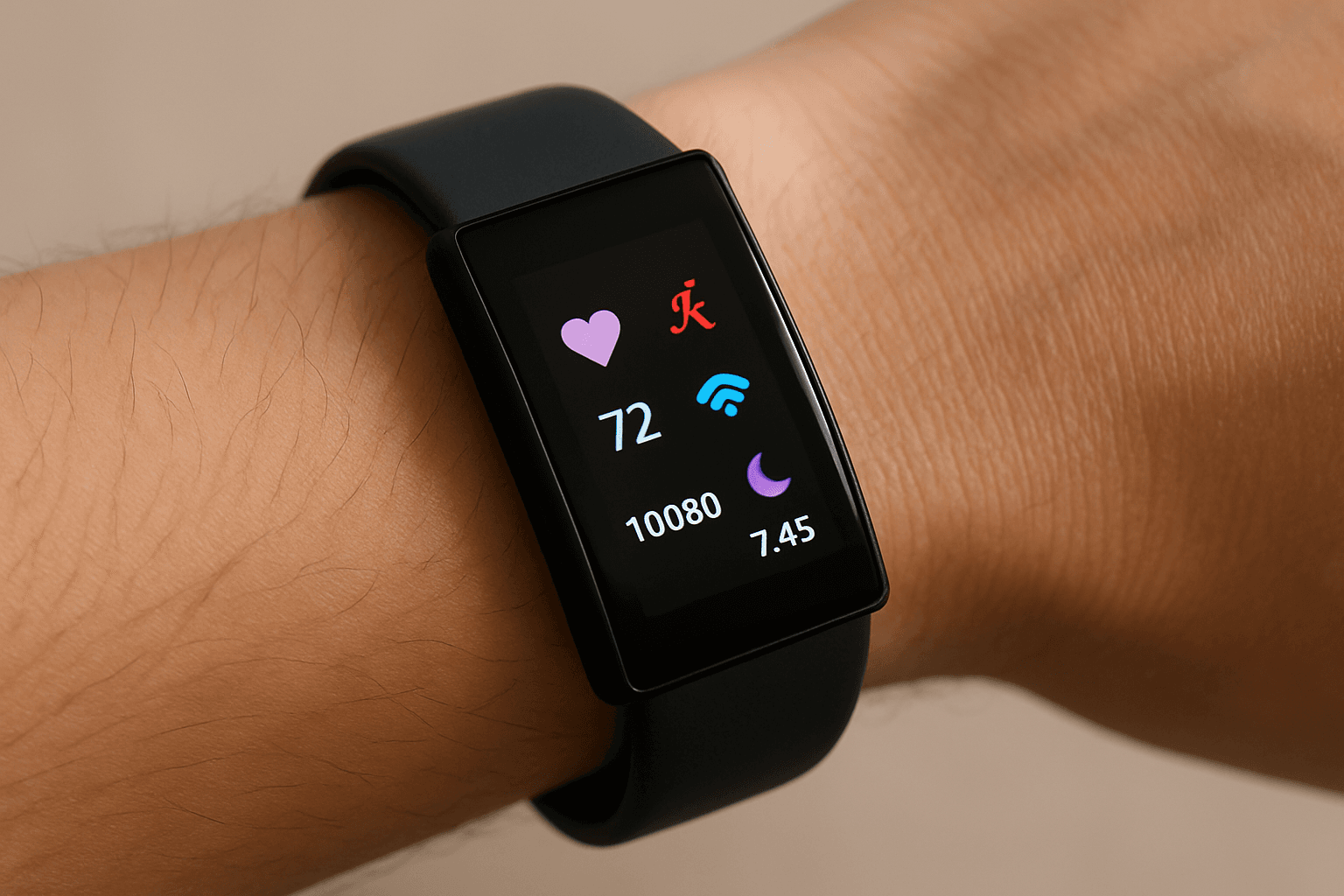
7. Microsoft Band
Microsoft entered the fitness tracker market with impressive sensors and cross-platform compatibility. Two generations later, the Band was dead. Microsoft could not find a sustainable position between cheap fitness trackers and premium smartwatches. The Band joined Zune in the graveyard of Microsoft hardware that never quite found its audience.
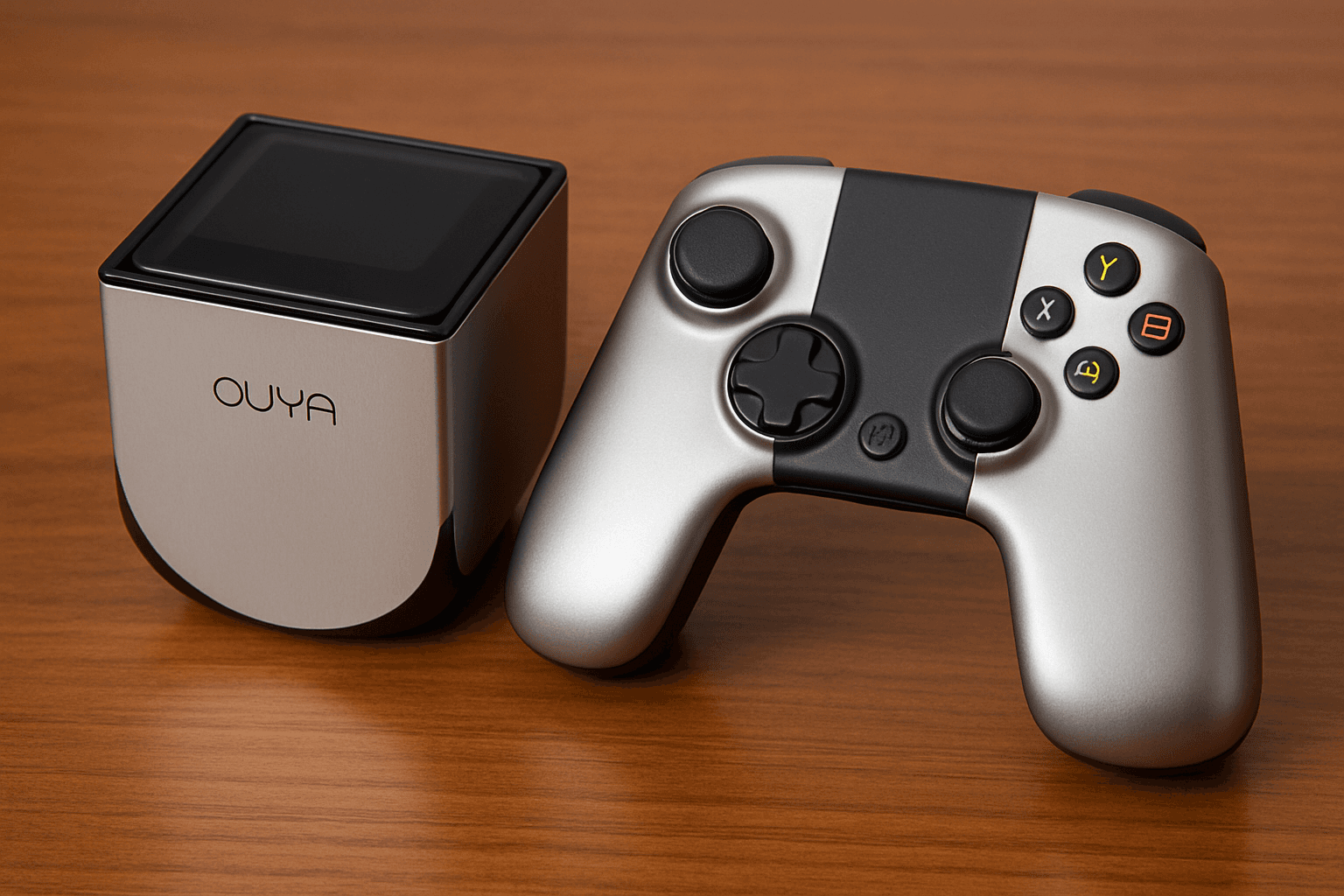
8. Ouya Console
The Ouya promised to democratize console gaming with Android and an open platform. Kickstarter backers believed the hype. Reality delivered underwhelming hardware, a sparse game library, and a company that sold to Razer within two years. The Ouya proved that disrupting established gaming giants takes more than good intentions and crowdfunding enthusiasm.
9. Nintendo Wii U
The Wii U confused consumers with its tablet controller and unclear value proposition. Was it a new console or a Wii accessory? Many never figured it out. Third-party developers fled, and Nintendo struggled with software droughts. The Wii U became Nintendo's worst-selling home console, though its tablet concept would later succeed brilliantly in the Nintendo Switch.

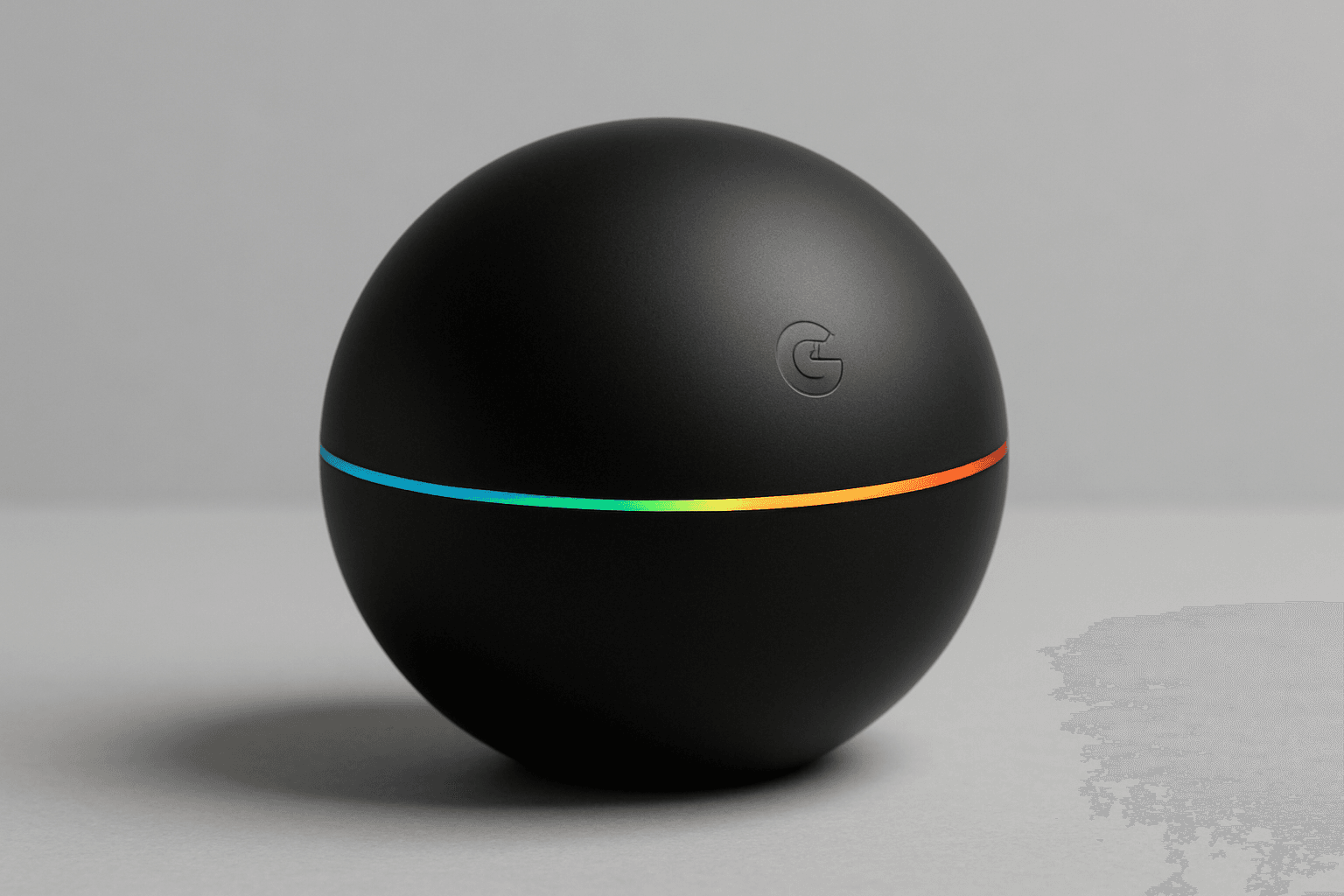
10. Google Nexus Q
Google announced the Nexus Q as a social streaming device, then quietly canceled it before shipping paid orders. The orb-shaped device looked cool but did little that a Chromecast could not do cheaper. Google refunded pre-orders and moved on. The Nexus Q remains one of the strangest product launches in Google history: announced, praised, and killed in the span of months.
This article was produced by Prism’s automated news system from verified source data, official records, and press releases, then run through automated quality and moderation checks before publishing. The system is built and supervised by the people who set the standards it runs under. Read our full AI policy.
Did this article answer your question?