10 Techniques for Realistic Freight Car Weathering for HO, N, O Modellers
Learn 10 practical techniques to weather freight cars realistically, with product picks, tools, and step‑by‑step methods tailored for HO, N, and O modellers.
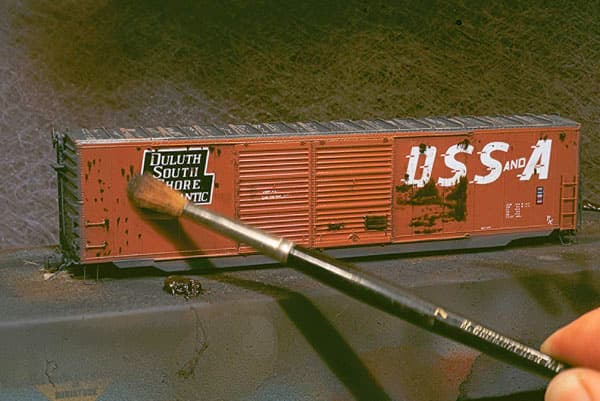
“Weathering is storytelling. Every streak and stain hints at years of service: hot brake dust on a boxcar, fuel drips below a cab step, sun‑faded paint near a roof walk. The secret is restraint, apply thin layers, step back, and stop before you think you’re ‘done.’ Natural variation looks right; uniform grime rarely does.” Concise, actionable techniques for realistic freight‑car weathering (for HO/N/O modellers):
1. Reference photos first, identify typical wear patterns for the prototype and service (coal hoppers look different than tank cars).
Start by studying real cars and service conditions; the Original Evergreen checklist nails it: “Reference photos first, identify typical wear patterns for the prototype and service (coal hoppers look different than tank cars).” Photographic reference guides where grime pools, where paint fades, and which parts get handled most will keep your weathering believable and save time on guesswork.
2. Start with subtle base
“Start with subtle base” is the right mindset: lay down thin, controlled base layers and build up slowly. Follow the Midwest advice, “The secret is restraint, apply thin layers, step back, and stop before you think you’re ‘done.’” A subtle base sets tone without overpowering details; use diluted acrylics or thinned powders to suggest age before committing to heavy effects.
3. Use weathering powders for fast, forgiving realism
“Weathering powders are dry pigments that brush on and blend easily. They’re ideal for truck sideframes, roof panels, and car ends where dirt collects. Start with earth tones, soot, and light gray for dusting. Seal with a light mist of clear flat, or leave unsealed on low‑touch areas for a softer look.” Powders give soft, layered dust and are perfect for quickly dialing in road grime. Consider the Monroe Models options mentioned: “Monroe Models Weathering Powder Assortment (MON3100) 8-pack, great palette for freight and loco weathering” and “A one‑box solution is the Monroe Models 493‑3100 Weathering Powder Assortment. The set spans chalky white through dark earth and rust, perfect for freights from fresh to filthy.” Note both SKUs appear in source material; if you’re buying, verify the exact pack contents with the seller.
4. Build depth with washes and streaks
“A wash is thinned paint that settles into seams and rivets to add depth. Use dark brown or black around grills and panels; wipe back high spots to keep contrast subtle. For rain marks and downward streaks, load a fine brush, touch a panel line, and pull straight down in one motion. Repeat with two or three tones so it doesn’t look ‘copy‑pasted.’” Washes settle into recesses and give panels instant realism; layering two or three subdued tones avoids a uniform, fake look.
5. Add realistic chipping and edge wear
“On handrails, steps, and door edges, tiny chips suggest hard daily use. Stipple dark brown with a fine sponge, then add a smaller spot of metallic or primer color inside a few chips. Concentrate around latches and grab irons, high‑touch spots wear first.” Small, carefully placed chips convey decades of handling more convincingly than full-body scuffs. Use a fine sponge and a toothpick or microbrush for bracing the metallic center of a chip.
6. Weather roofs like the pros
ModelTrainStuff’s step-by-step roof routine is worth repeating: “Make any final changes you want to the side of the model, then move to the roof. Using a mid-sized artists brush, lightly brush a layer of rust brown acrylic from end to end, purposely letting it accumulate more over ridges than over the whole roof. Once this is done, come back with your foam brush, and add a thin layer of light brown or white weathering powder from end to end, and brush until fairly even. This will replicate both the fading on the roof’s paintwork, and any grain, cement, or other material which has accumulated from loading or unloading. Once this is complete, blow on the roof to remove excess powder.” Follow this order and the roof instantly reads like service-worn hardware; the ridge accumulation trick and blowing off excess powder are small steps that sell big realism.

7. Treat trucks and wheels separately and thoroughly
ModelTrainStuff’s finishing for trucks and wheels is procedural and practical: “Now it’s time to return to the trucks. Using a small artists brush, add a thin layer of rust brown acrylic over the front and sides of the truck. You can apply this as heavily or as liberally as you like. While this is drying, apply a light dusting of orange or oxidized red powder to add some texture. Then to complete the model, paint the insides of the wheels with a lighter brown acrylic, and again add a light dusting of orange or red powder. Once dry, take the edge of a screwdriver and gently scrape off any excess paint from the rims or the side of the wheels. Reassemble the trucks and attach them to the car, and sit back and enjoy your newly weathered piece of rolling stock.” Handling trucks and wheels off the car lets you get concentrated grime and realistic rim polish where contact would naturally wear paint away.
8. Match ballast dust and road grime to your layout
“Woodland Scenics Gray Blend ballast, perfect reference for dust color on trucks and lower car sides [...]” Use your layout’s ballast and local road colors as reference when dusting lower car bodies and trucks; matching these tones ties rolling stock into the scene. Lightly brush powders or airbrush thinned acrylics into the rocker and sill areas to suggest trackside dust and coal or lime residues specific to the traffic your railroad runs.
9. Use liquid effects for oils, drips and satin sheens
“For liquid effects (oil, fuel, or rain), explore Vallejo Weathering Effects jars, they flow into recesses and dry with convincing satin or matte sheens.” Vallejo’s liquid products are designed to behave like real fluids, use them sparingly for fuel drips under tanks, oily stains near couplers, or streaky rain marks on vertical faces. Combine these with the wash and streak techniques to build layered, believable fluids without overdoing the sheen.
10. Gather the right tools, follow tone guidance, and share your results
Keep a concise bench kit: “small artists brush”, “mid-sized artists brush”, “fine brush”, “foam brush”, “fine sponge”, and the “edge of a screwdriver” for rim scraping; don’t forget to blow off loose powder with breath or canned air. Remember the tonal advice from our sources, Midwest counsels restraint (“The secret is restraint, apply thin layers, step back, and stop before you think you’re ‘done.’ Natural variation looks right; uniform grime rarely does.”) while ModelTrainStuff reminds you that “The great thing about weathering is that you’re replicating something that doesn’t have to be done in a certain way. Just follow these guidelines for how and where to apply your materials and you really can’t go wrong. If you’ve tried this process and would like to share your results, send us a message on our Facebook page and we’ll share your images on social media!” For reference and shopping, keep product names handy: Monroe powder assortments (“Monroe Models Weathering Powder Assortment (MON3100) 8-pack, great palette for freight and loco weathering”; “Monroe Models 493‑3100 Weathering Powder Assortment. The set spans chalky white through dark earth and rust”), “Vallejo Weathering Effects jars”, and “Woodland Scenics Gray Blend ballast, perfect reference for dust color on trucks and lower car sides [...]”. Contact/footer lines preserved from the practical step source: “1.828.341.2295”, “Amex Paypal Discover Mastercard VISA”, “©2026 Model Train Stuff. All Rights Reserved.”
Practical close: pick one car, plan from photos, and build weathering in thin passes, powders for dust, washes for depth, liquids for drips, and focused chipping where hands touch metal. Test techniques on a scrap car, note what reads best at viewing distance, and then apply the same layered approach across your fleet for consistent, believable service wear.
Know something we missed? Have a correction or additional information?
Submit a Tip