10x Science raises $4.8 million to prove AI drug candidates matter
10x Science raised $4.8 million to tackle biotech’s real choke point: proving which AI-generated drug candidates survive lab validation.
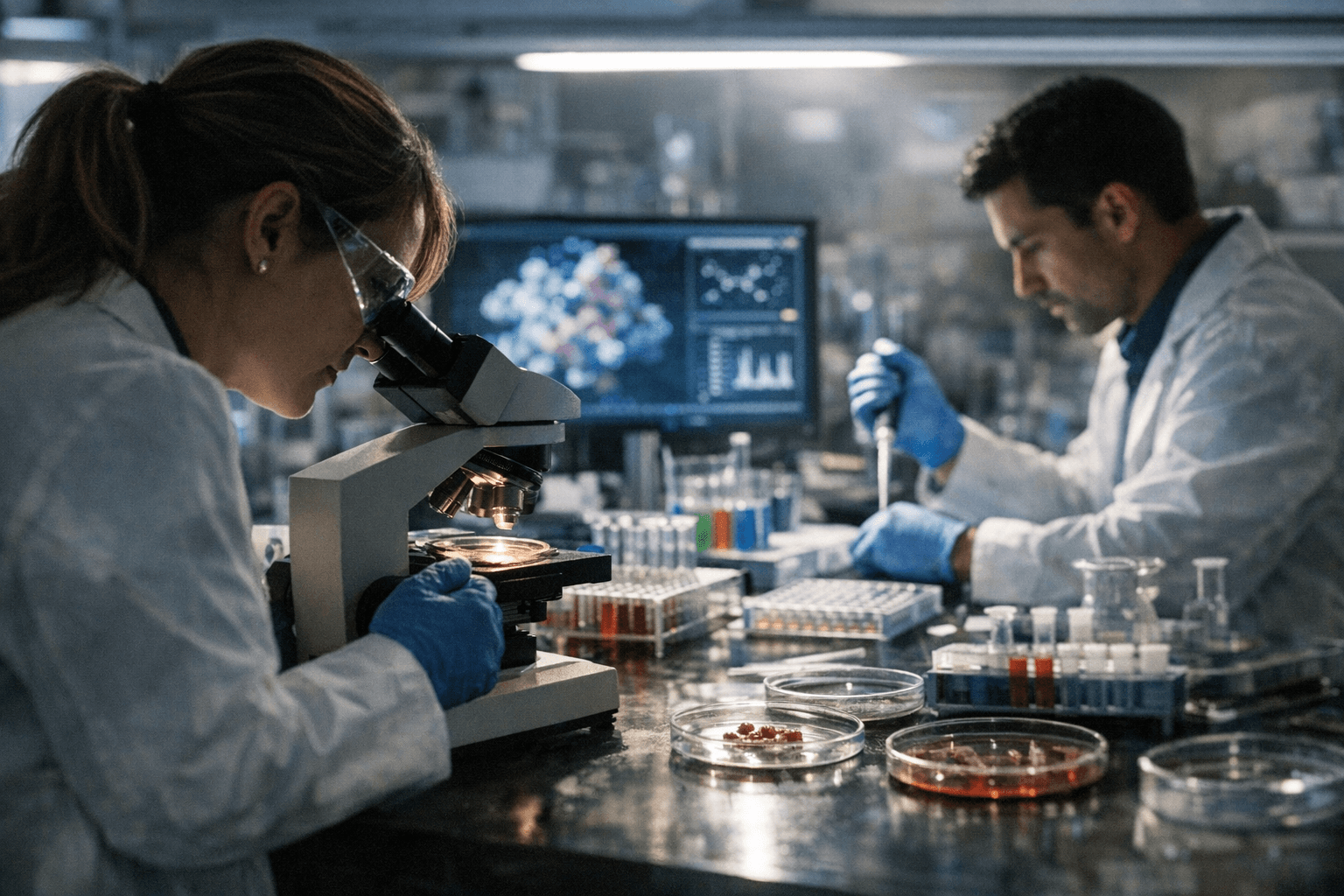
AI can now spit out more plausible drug ideas than biologists can test, but 10x Science is betting the real value sits in the slower step after generation: measurement, characterization and quality control.
The San Francisco startup raised $4.8 million in seed funding led by Initialized Capital, with participation from Y Combinator, Civilization Ventures and Founder Factor. Y Combinator describes 10x Science as an AI-native platform for next-generation protein characterization, and says the company had just three employees when its profile was updated.
That focus puts 10x Science squarely at the bottleneck in AI-driven biopharma. Drug discovery tools have gotten much better at proposing molecules and protein ideas, but those predictions still have to survive the laboratory gauntlet. David Roberts, one of the co-founders, said biopharma teams can keep adding candidates to the top of the funnel, but every one of them still has to pass through characterization before a company can trust it. In practice, that means the expensive work of figuring out whether a molecule is what the model said it was, how it behaves in a biological system and whether it is clean enough to move forward.
The company was built by three founders with unusually deep scientific credentials. Roberts and Andrew Reiter both came out of the Stanford lab ecosystem around Nobel laureate Carolyn Bertozzi. Stanford Chemistry says Roberts earned a Ph.D. in materials chemistry and analytical chemistry from the University of Wisconsin-Madison in 2023. The Bertozzi Group says Reiter studied biology at the University of North Carolina at Chapel Hill, worked on mass spectrometry at the Broad Institute of MIT and Harvard and is now a Stanford Ph.D. student co-advised by Bertozzi and Or Gozani. The third co-founder, Vishnu Tejas, is described by Y Combinator as a two-time YC founder who previously worked as a founding engineer at Nooks.
That mix of chemistry, proteomics and software matters because proteins are the main targets of most drugs, yet system-wide methods to monitor protein activity remain underused in drug discovery. Recent reviews have also stressed that AI is becoming more important in target identification and assessment, while traditional validation can take years and is only fully confirmed once a drug based on the target is approved. 10x Science is trying to shorten that middle stretch, where promising predictions become a long list of expensive experiments.
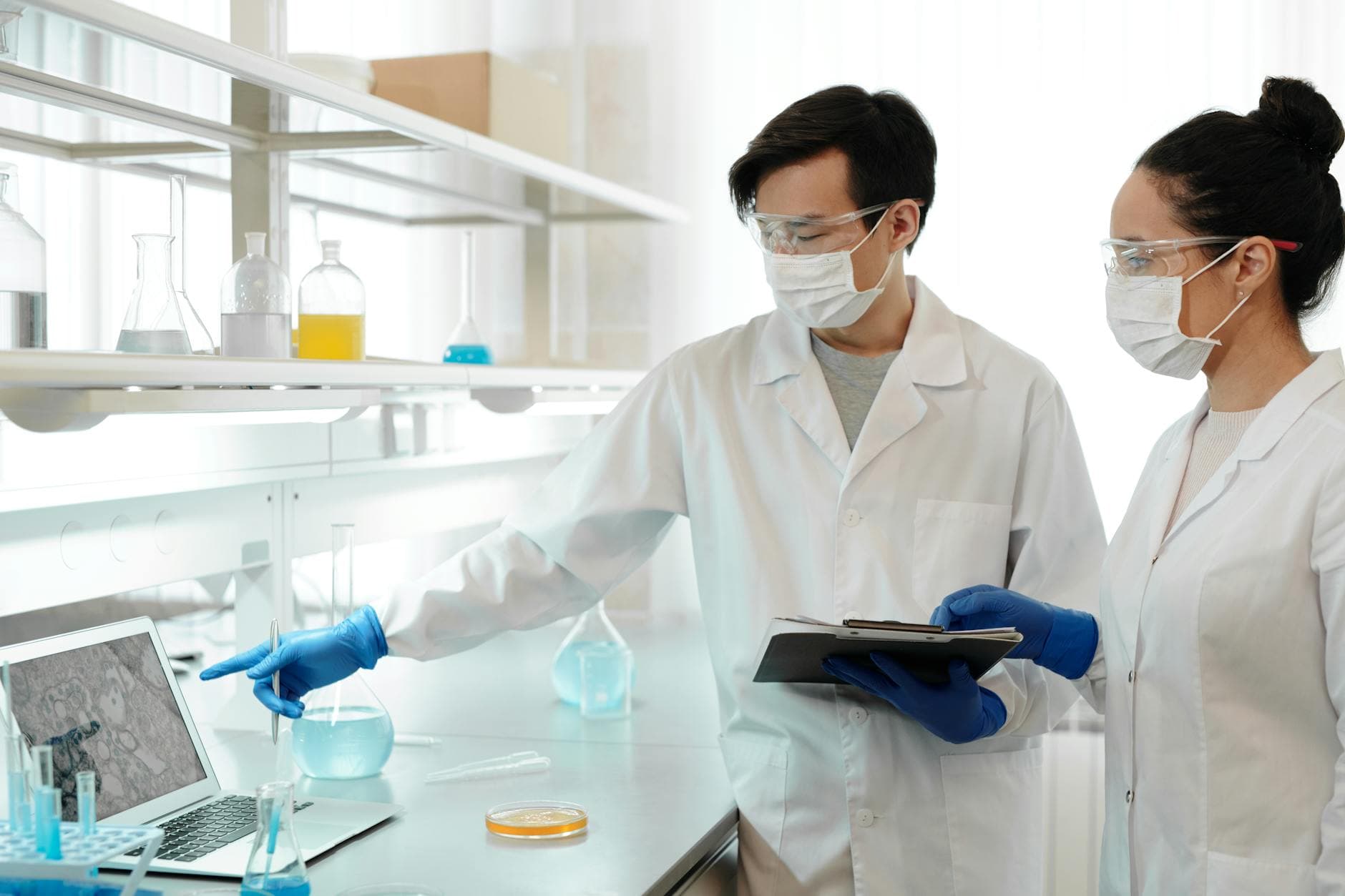
The broader commercial question is whether AI-biotech startups are really solving the translation problem between algorithmic output and biological reality, or simply renaming an old problem. DeepMind’s protein-structure breakthroughs showed how far AI can go in life sciences. The next test is whether companies like 10x Science can make validation faster, cheaper and more traceable, which is where a lot of the economic value in drug development still gets trapped.
This article was produced by Prism’s automated news system from verified source data, official records, and press releases, then run through automated quality and moderation checks before publishing. The system is built and supervised by the people who set the standards it runs under. Read our full AI policy.
Did this article answer your question?