130 Nigerians in South Africa Seek Repatriation Amid Anti-Migrant Protests
At least 130 Nigerians asked to be flown home after anti-migrant protests in Pretoria and Johannesburg, as Abuja pressed Pretoria over rising xenophobic tensions.
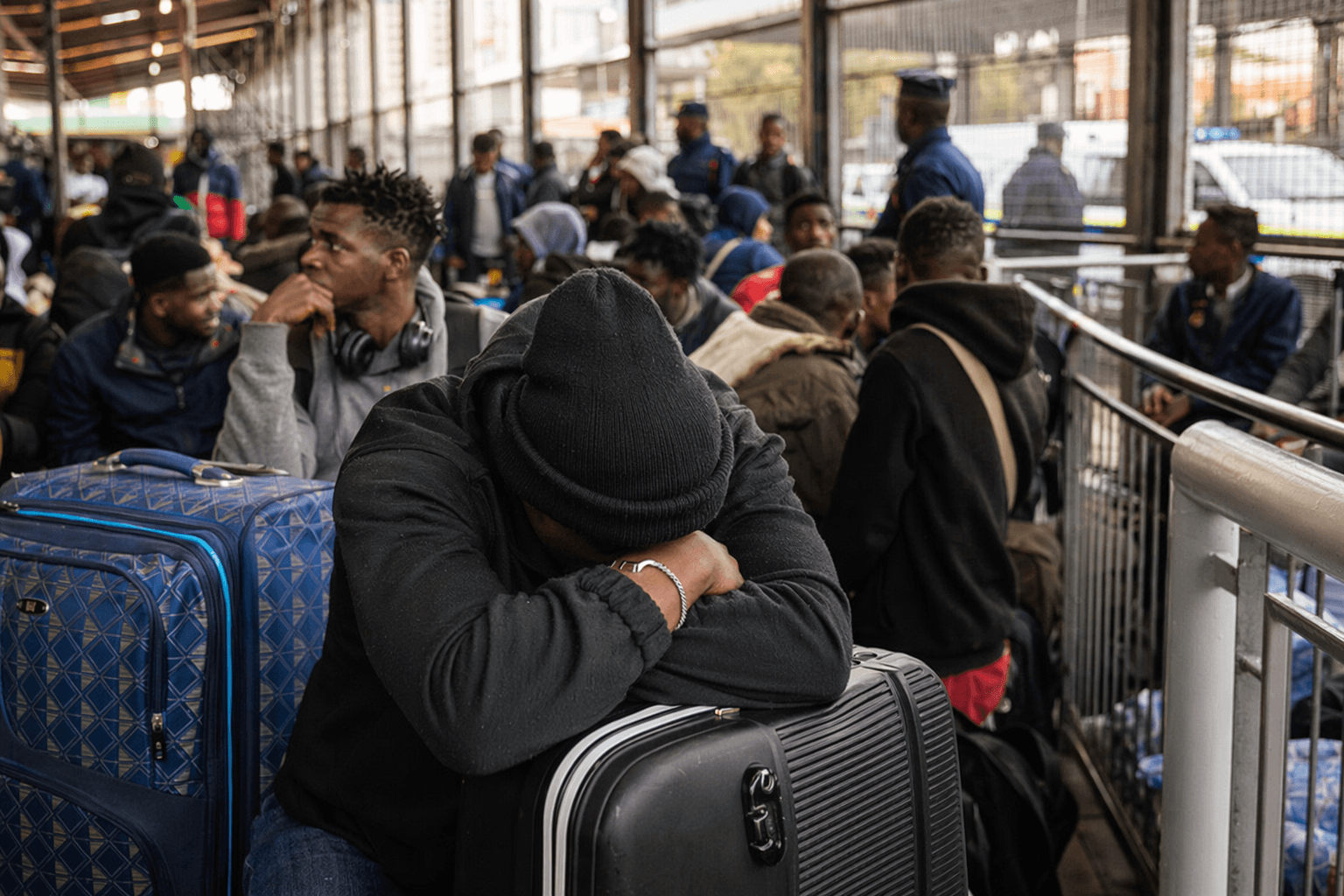
At least 130 Nigerians in South Africa asked to be repatriated after protests that targeted foreigners, turning street anger over migration into a diplomatic and humanitarian problem for two of Africa’s biggest economies. Nigeria’s foreign minister, Bianca Odumegwu-Ojukwu, said the applicants were the first to use a new voluntary repatriation scheme, and warned that confrontations could escalate if the unrest continued.
The protests centered on illegal immigration and the claim that undocumented foreign nationals were straining jobs, security and public services. In Pretoria, hundreds joined a march on April 28 led by civic groups and human rights organizations, and a Johannesburg protest followed on April 29. Organizers argued that undocumented migrants were competing for scarce work and adding pressure to already overstretched services. More protests were planned for May 4 and May 8, keeping the issue high on the bilateral agenda.
In Abuja, Nigeria summoned South Africa’s acting high commissioner to express “profound concern” over the unrest. South African foreign minister Ronald Lamola said he had spoken with his Nigerian counterpart about irregular migration and the need to address root causes and possible solutions. South African officials said no Nigerians were killed in last week’s protests and promised to crack down on xenophobic acts, a pledge that came after earlier complaints from Ghana and other African governments over violence directed at foreign nationals.
The latest backlash is landing in a country where migration has long been politicized. Muhammad Haruna Manta, Nigeria’s high commissioner to South Africa, said in 2023 that about 500,000 Nigerians in South Africa were undocumented, alongside 6,000 students and 2,900 professionals. That figure, while not an official South African count, underscores the scale of a diaspora that can become exposed when political actors blame outsiders for unemployment and public frustration.

South Africa has seen this cycle before. Anti-migrant violence in 2008, 2015 and 2019 strained relations with Nigeria, and the 2019 attacks triggered especially sharp diplomatic tension after Nigerian-owned businesses were targeted in Johannesburg. The latest protests suggest the pattern remains intact: economic anger, migration pressure and political scapegoating are again colliding, with foreign residents paying the immediate price and Pretoria facing fresh scrutiny over stability at home.
This article was produced by Prism’s automated news system from verified source data, official records, and press releases, then run through automated quality and moderation checks before publishing. The system is built and supervised by the people who set the standards it runs under. Read our full AI policy.
Did this article answer your question?


