Zambia rejects U.S. bid to link health aid with mineral access
Zambia said it will not trade health aid for mineral access, stalling a U.S. deal worth up to $2 billion and exposing fresh friction over privacy, sovereignty and copper.

Zambia has rejected what it sees as a U.S. attempt to bundle health aid with access to critical minerals, turning a stalled negotiation into a sharp test of how far Washington can push development finance without looking like it is bargaining over sovereignty.
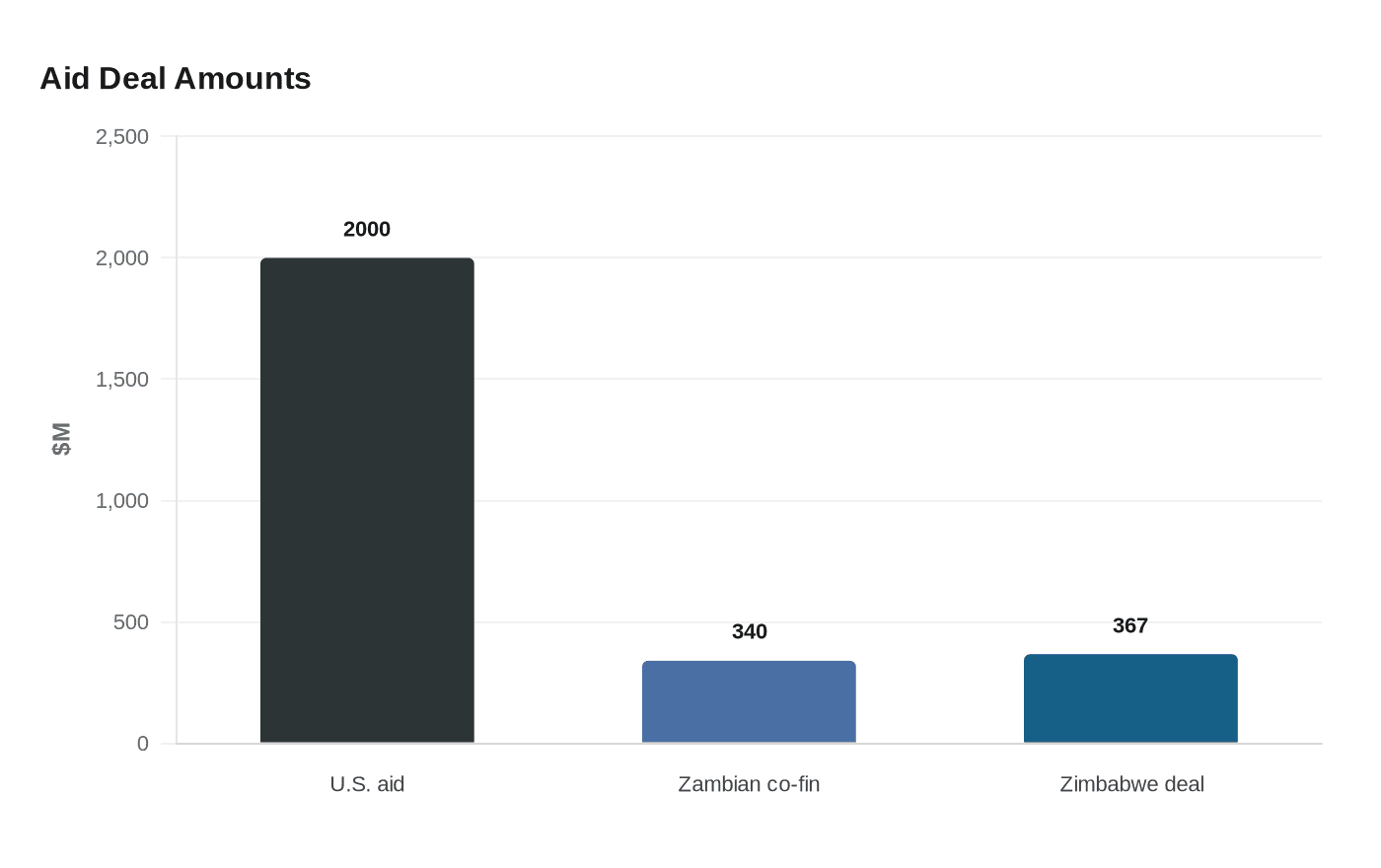
Foreign Minister Mulambo Haimbe said the two proposed agreements should be judged separately, not packaged together in a way that makes one conditional on the other. The health memorandum of understanding, which U.S. officials said could provide up to $2 billion over five years, would have covered HIV, malaria, maternal and child health, and disease preparedness. It also required about $340 million in Zambian co-financing over the same period. Haimbe said some of the data-sharing terms would violate Zambians’ privacy rights, while the minerals draft carried objections of its own, including what he described as preferential treatment for U.S. companies.
The dispute grew more visible after an April 30 deadline passed without a deal on the health agreement, which had originally been expected to be signed in November 2025. In December, the United States told Zambia it had committed to a plan aimed at unlocking a substantial grant package in exchange for collaboration in the mining sector and business-sector reforms. One draft said the bilateral compact would end if the two sides failed to agree by April 1, 2026. The U.S. had continued ad hoc funding while the new memorandum remained unsigned.
The stakes are especially high in Zambia, Africa’s second-largest copper producer after the Democratic Republic of Congo. The country also holds cobalt, nickel, manganese, graphite, lithium and rare-earth elements, and its own 2024-2028 critical minerals strategy says copper mining accounts for more than 70% of foreign exchange earnings and about 17.5% of GDP. That economic weight has made the minerals file politically sensitive, particularly as Washington seeks more secure supply chains in Africa.
Zambia’s foreign ministry said diplomatic ties with the United States date to October 24, 1964, with the first U.S. ambassador appointed on March 11, 1965. It also said the outgoing ambassador’s remarks were undiplomatic and cited the Vienna Convention on Diplomatic Relations. Michael Gonzales said Washington had faced effectively zero substantive engagement from Zambian officials since January, with calls unanswered and meetings cancelled. Zambia’s presidential spokesperson said the government remained open to dialogue through diplomatic channels.
The broader pattern reaches beyond Lusaka. Ghana and Zimbabwe have both rejected similar U.S. memorandums of understanding over data-sharing demands, and Zimbabwe turned away a $367 million health deal on privacy grounds. For African governments, the fight is increasingly about more than one grant or one ambassador. It is about whether health assistance arrives as partnership, or as leverage wrapped around the continent’s most strategic resources.
This article was produced by Prism’s automated news system from verified source data, official records, and press releases, then run through automated quality and moderation checks before publishing. The system is built and supervised by the people who set the standards it runs under. Read our full AI policy.
Did this article answer your question?