17 migrants die, nine missing after boat drifts eight days in Mediterranean
A boat drifting eight days off Tobruk left 17 migrants dead and nine missing, exposing how delay at sea keeps turning into mass death.
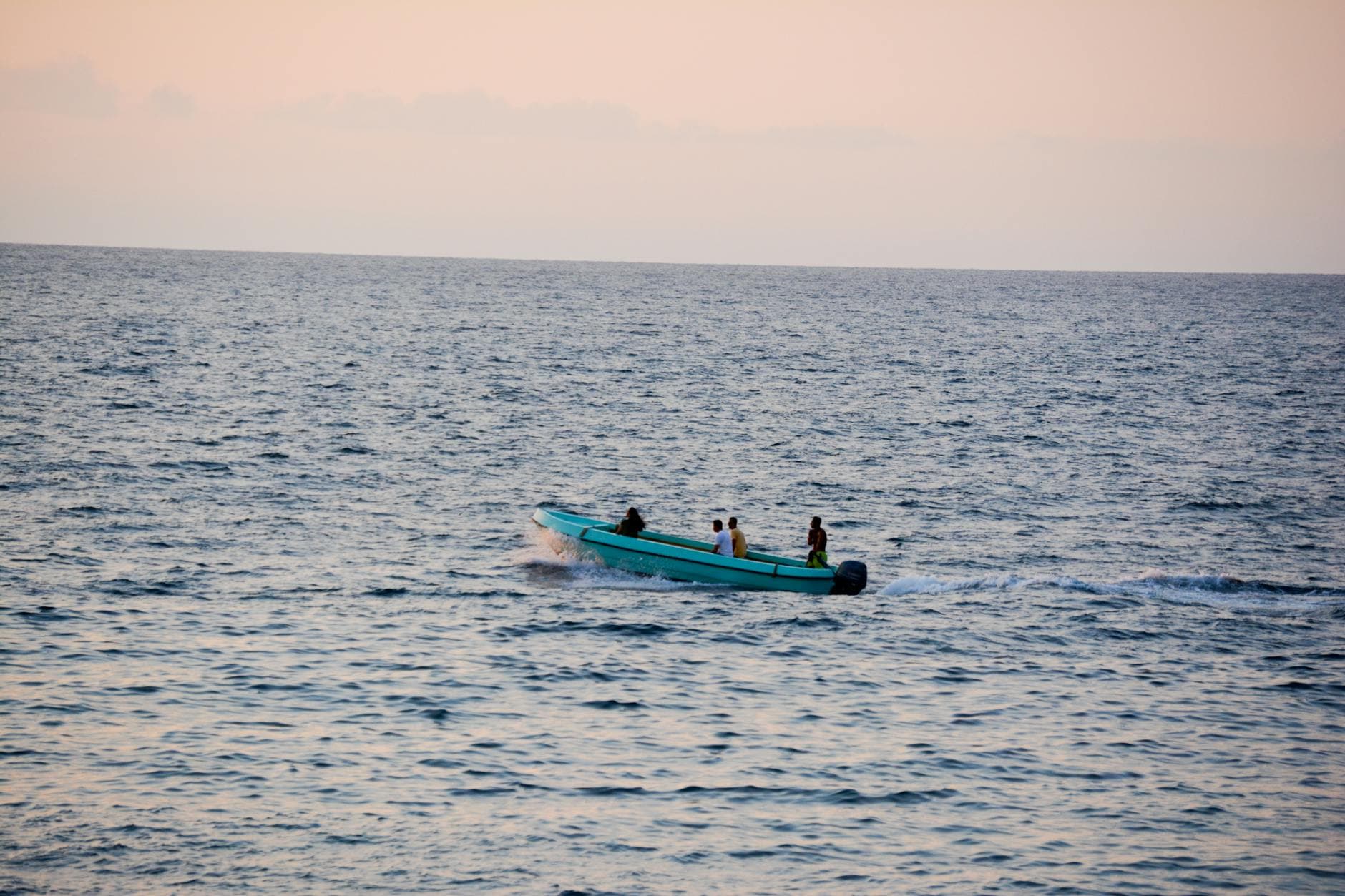
Eight days adrift in the Mediterranean ended with at least 17 migrants dead, nine missing and only seven survivors pulled from the water off Tobruk in eastern Libya. The boat broke down far from shore, leaving passengers exposed to dehydration, exhaustion and panic before Libya Red Crescent teams, working with naval forces and coast guards from the Libyan National Army, reached the vessel near the Egypt border area.
The wreck is the latest sign of a route that keeps producing mass casualties even as crackdowns on smugglers and interception campaigns push more people onto riskier crossings. Libya remains both a departure point and a transit zone for irregular migration, but its maritime rescue coverage is fragmented and uneven. When boats fail, the delay before help arrives can be measured in days, not hours, and that delay has become deadly.
The Tobruk recovery comes after a string of fatal incidents linked to Libya in 2026. On 6 February, a rubber boat carrying 55 people capsized north of Zuwara, killing or leaving missing 53 migrants, including two babies; only two Nigerian women survived. On 19 to 23 April, another shipwreck off Tobruk left 10 migrants confirmed dead and 31 missing, with six bodies later washing ashore.
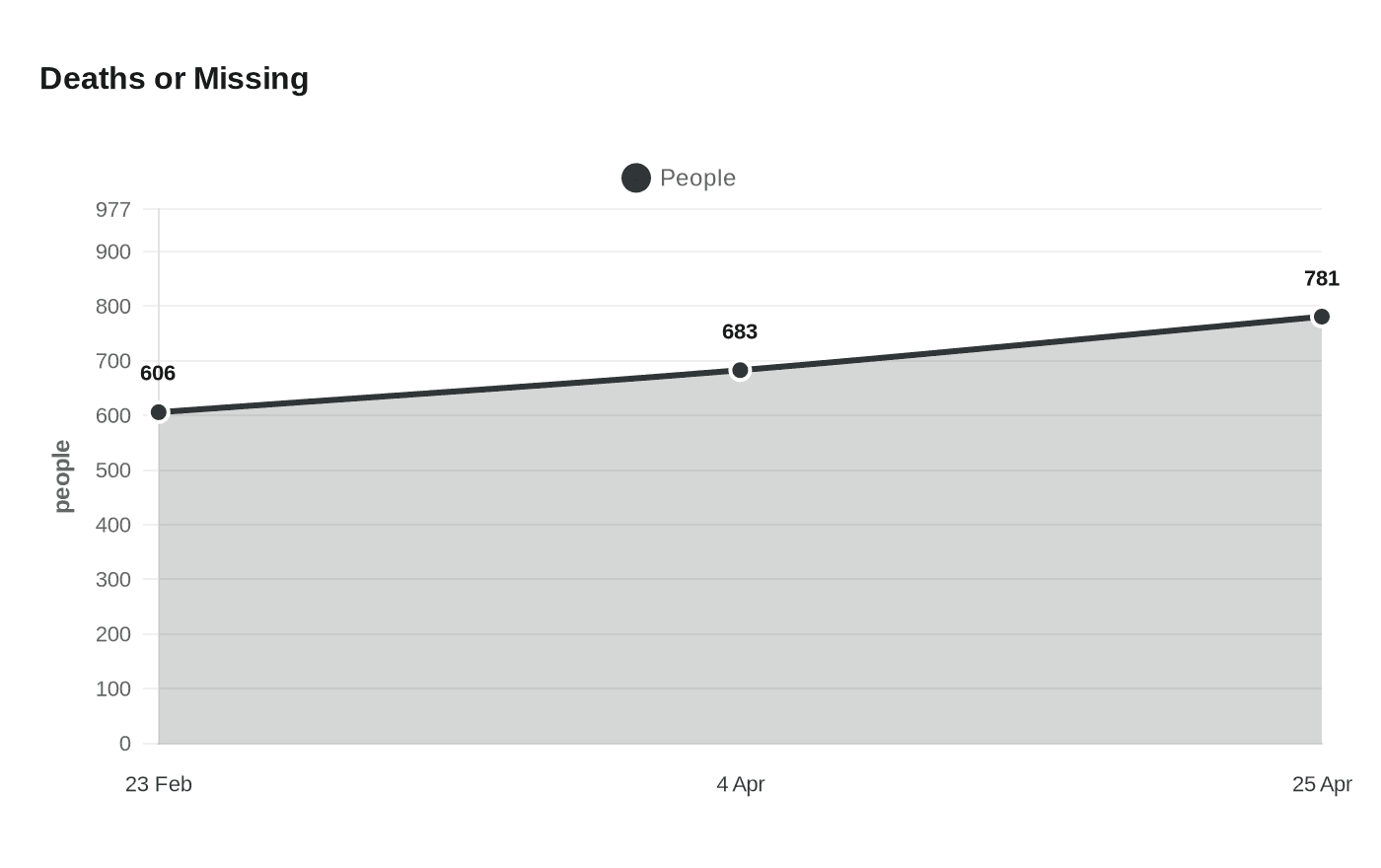
The International Organization for Migration said the toll across the Mediterranean route had already reached at least 606 dead or missing by 23 February, a grim benchmark for a year that has only grown more lethal. Its Libya maritime update on 4 April recorded 3,518 migrants intercepted and returned to Libya so far in 2026, alongside 683 deaths or missing persons on the central Mediterranean route. By 25 April, those figures had climbed to 5,195 intercepted and returned and 781 deaths or missing.
The numbers point to a system that keeps recycling danger. Patrols intercept boats, smugglers send out unseaworthy vessels, and stranded passengers wait for rescue that may come too late. The International Organization for Migration’s Missing Migrants Project says the Mediterranean has recorded tens of thousands of deaths and disappearances since 2014, a cumulative toll shaped by the same pattern now visible off Tobruk: distance, delay and inadequate rescue capacity.
Libya’s 2025 to 2026 crisis response plan calls for $86.312 million to assist 430,000 people, underscoring how migration pressure and humanitarian need remain entrenched even as local responders handle repeated emergencies at sea. In the central Mediterranean, the next breakdown too often becomes the next mass death.
This article was produced by Prism’s automated news system from verified source data, official records, and press releases, then run through automated quality and moderation checks before publishing. The system is built and supervised by the people who set the standards it runs under. Read our full AI policy.
Did this article answer your question?


