1,720 MW Peak Shortfall Leaves Cuba’s Grid Struggling, Solar Falls Short
A Jan. 13 update showed Cuba's grid faced a roughly 1,720 MW peak shortfall as multiple thermal units failed and solar parks could not make up the gap.

Cuba’s National Electric System (SEN) suffered a severe supply gap during peak hours on Jan. 13, leaving the grid strained and blackouts recurring across the island. Operators recorded a shortfall of about 1,720 megawatts at the evening peak, with multiple generating units out of service and nearly 1,048 MW of distributed capacity affected by fuel or lubricant shortages.
The outage picture is a mix of mechanical failures and supply constraints. Key units at facilities including Mariel and Felton were reported offline, removing significant thermal capacity just as demand climbed. Distributed plants that might normally fill gaps were hampered by shortages of fuel and lubricants, reducing their effective output by roughly one gigawatt. Photovoltaic parks across the country provided additional megawatts, but the contribution was insufficient to compensate for the thermal-generation shortfalls that dominate Cuba’s baseload supply.
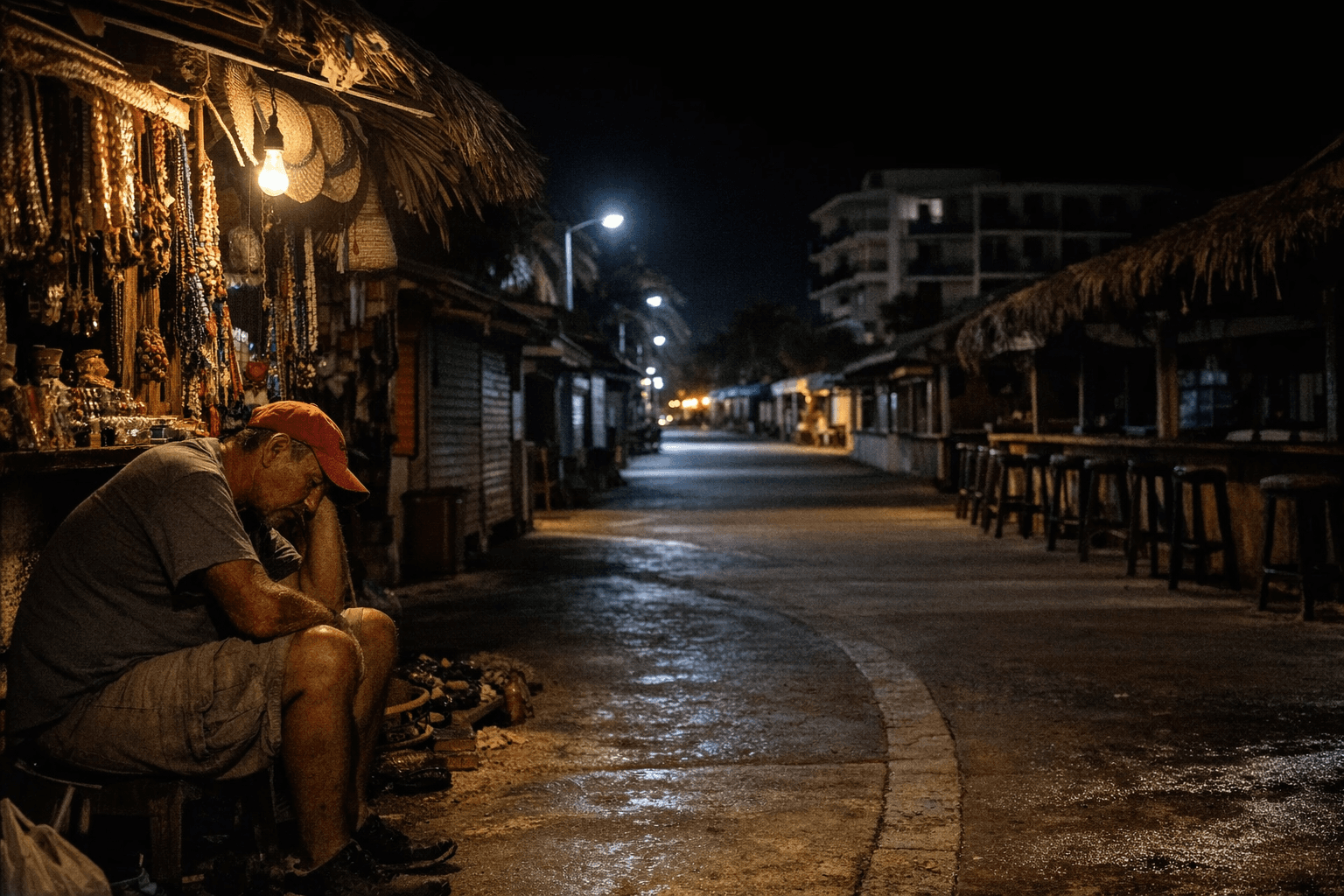
The immediate effect was prolonged, recurring outages that interrupted daily life and commercial activity. Households faced extended cuts to lighting and refrigeration during critical evening hours. Small businesses and street vendors experienced lost sales when power dropped during trading periods. Tourism services likewise felt the strain as hotels, restaurants and transport operations adjusted schedules, relied more on backup generators, or reduced services. These disruptions are not isolated incidents; the pattern points to a structural energy crisis in which aging thermal infrastructure, maintenance backlogs and logistics problems combine to create frequent system-wide stress.
For communities across provinces, the practical impact is tangible. Expect irregular supply windows and plan for losses in temperature-sensitive goods. Local tiendas, paladares and tour operators that depend on steady electricity will need contingency plans as outages persist. Municipal and enterprise managers will also face tougher choices balancing industrial loads, public lighting and essential services when available capacity is constrained.
Longer term, the episode underscores two linked realities: solar expansion helps reduce daytime pressure but cannot replace large thermal units during evening peaks, and fuel logistics remain a chokepoint for distributed generation. Absent significant repairs, fuel resupply improvements or rapid changes in demand patterns, similar peak shortfalls are likely to recur.
For readers, this means preparing for continued interruptions and watching local supply schedules closely. Communities and businesses will need to adapt their routines and safeguards while the SEN works through unit repairs and supply fixes. The coming weeks will show whether temporary measures restore stability or whether the problem prompts more substantive shifts in how the island balances generation, maintenance and fuel supply.
Sources:
Know something we missed? Have a correction or additional information?
Submit a Tip