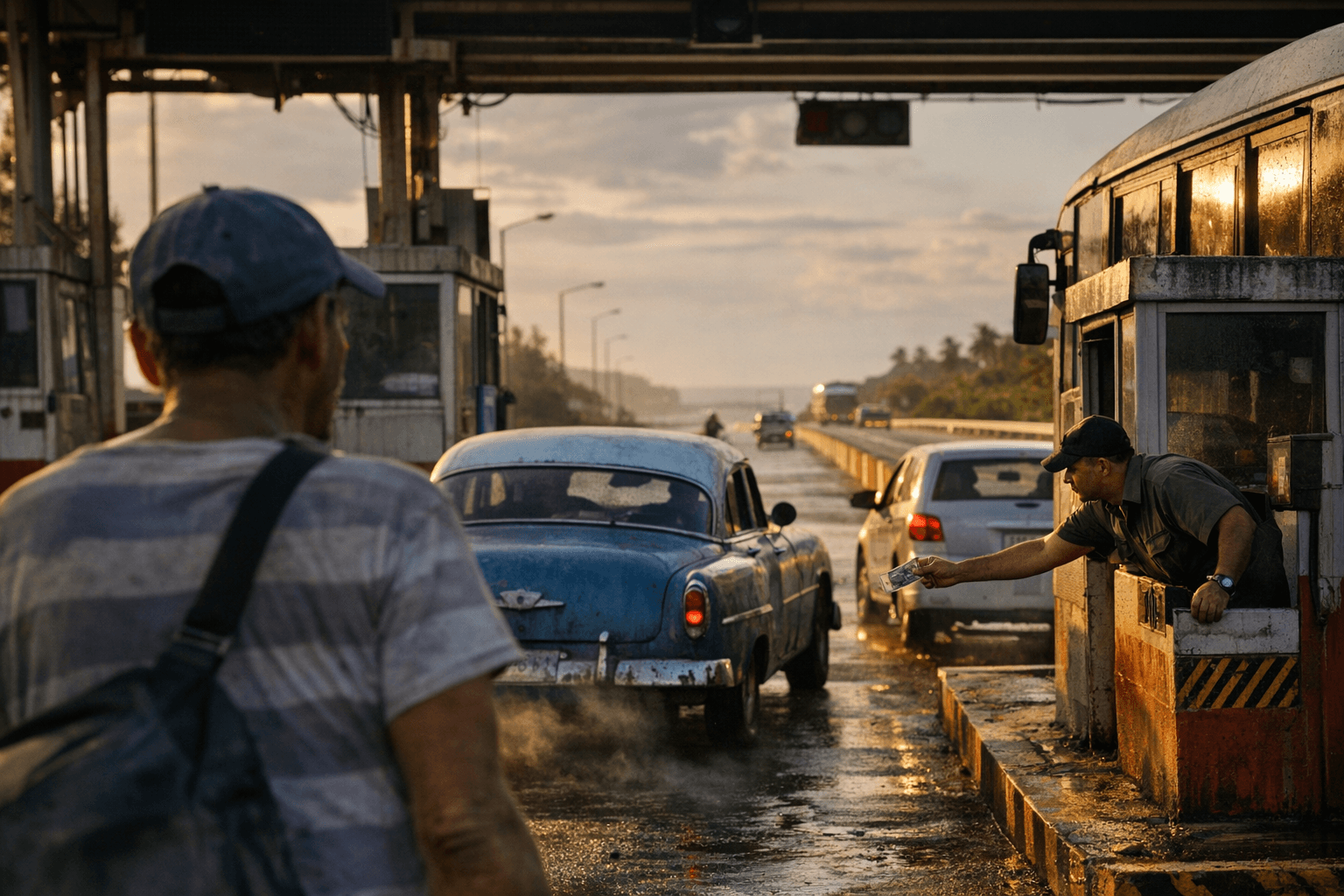
Varadero Nights Empty as Tourists Stay Away, Vendors Struggle
Varadero’s nights fell quiet as tourists stayed away, leaving shops, kiosks and hotel windows dark and squeezing the incomes of vendors and local workers.
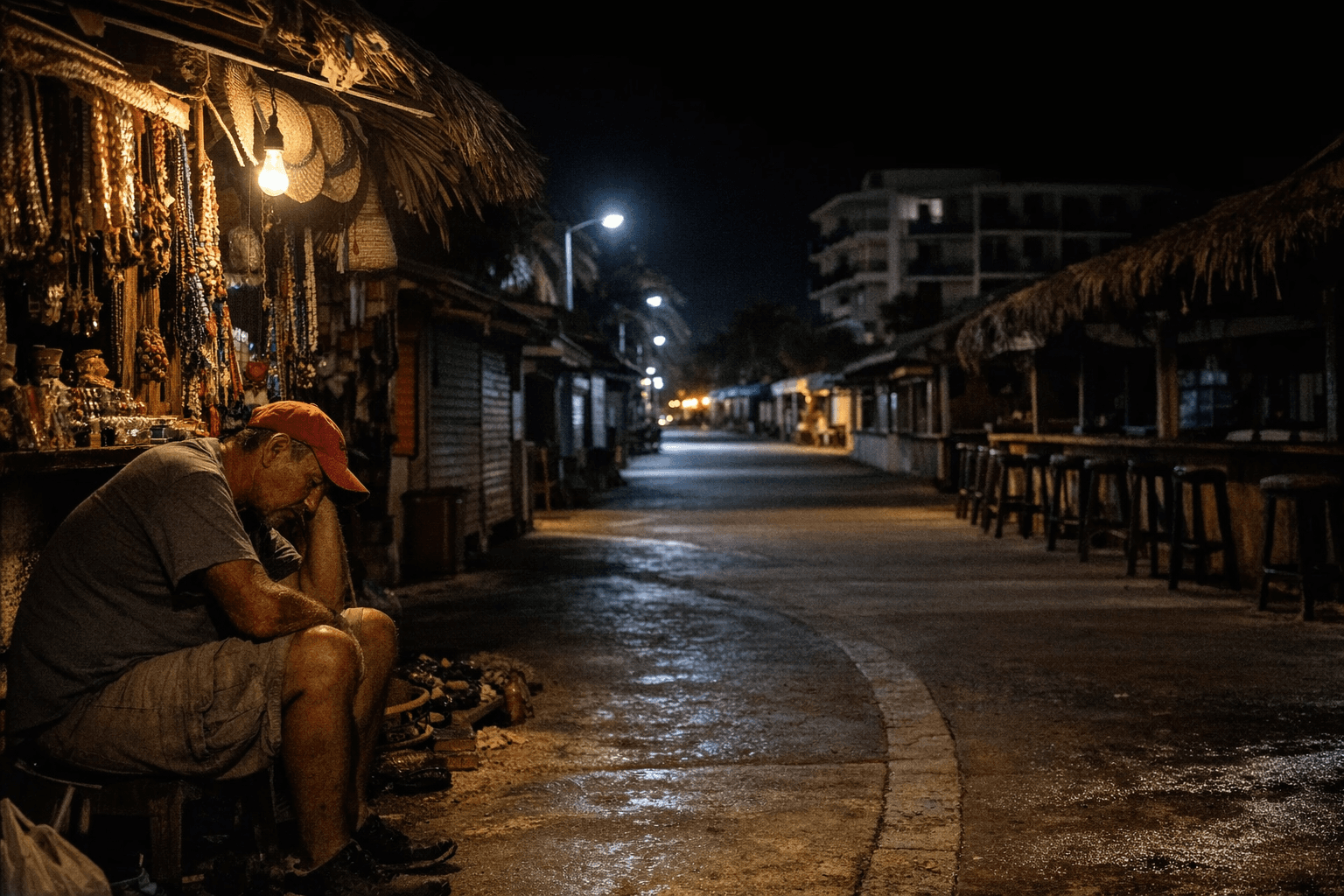
Varadero’s main boulevard and the surrounding commercial strip were largely deserted after dark on Jan. 14, 2026, as businesses that normally trade into the evening closed early, restaurants and kiosks reported only a handful of customers, and hotel façades sat unlit. The drop in nighttime activity is translating into immediate losses for street vendors, small food outlets and the wider hospitality supply chain.
On-the-ground observation found bars and shops shutting in the late afternoon rather than staying open for the evening crowd. Several restaurants that once relied on dinner service saw tables empty well before nightfall, and kiosks that depend on passersby recorded dramatic declines in sales. The quiet is visible in the faces of workers and residents who described tourists as scarce and said many visitors do not return after poor experiences.
Local sellers and employees point to two recurring explanations: menu prices and limited offerings. Visitors have complained that menu options are narrow and prices leave few places to spend money comfortably, reducing the incentive to dine out or linger in town. Those complaints, combined with broader travel patterns, help explain why hotel windows often remain dark and why the buoyant nightlife that used to sustain so many households has cooled.
The street-level slowdown echoes official indicators: statistics for 2025 showed tourism shortfalls that left room for concern among municipal officials and business owners. For small vendors and suppliers who operate on tight margins, fewer visitors mean reduced orders for food, produce and artisanal goods, and fewer tips for workers who rely on evening traffic. The result is a chain reaction from hotels to paladares to the informal kioskos that line the boulevard.
This matters to residents because tourism remains a key source of cash income in resort towns. Reduced foot traffic affects not only those selling directly to tourists but also drivers, laundry services, food producers and maintenance contractors whose work is tied to hotel occupancy and guest spending. For households that count on nightly takings, the shift from bustling evenings to empty streets can quickly become a month-to-month survival issue.
Looking ahead, recovery will depend on restoring visitor confidence, adjusting local offerings to match demand, and better aligning prices with expectations. Vendors can respond by diversifying menus, broadening payment options and coordinating informal schedules to capture daytime business. For the community, the immediate need is practical adaptation - preserving livelihoods while watching whether tourism figures rebound in the months to come.
Sources:
Know something we missed? Have a correction or additional information?
Submit a Tip