1870s Craigie Mill tragedy shaped Otter Tail settlement patterns
James G. Craigie settled at Balmoral south of Ottertail City in 1861 and built a dam and grist mill that produced Snow Flake Flour, anchoring local farm commerce. The 1872 drowning of Mr. and Mrs. Craigie and the ensuing legal battles over mill ownership, later resolved with the McArthurs taking control, influenced settlement, local markets, and county legal attention in the 1870s.
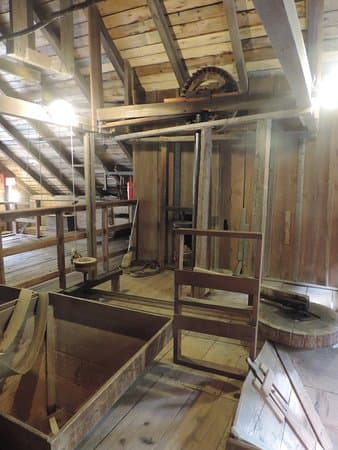
In the mid-19th century the Craigie grist mill emerged as a focal point of economic life in the area now known as Otter Tail County. James G. Craigie and his family arrived at a site called Balmoral south of Ottertail City in 1861, where Craigie constructed a dam and a water-powered grist mill that produced Snow Flake Flour. The mill provided the processing capacity local farmers needed to turn grain into marketable product, reducing transport costs and encouraging nearby homesteading and road development.
The community’s connection to the mill turned tragic in 1872 when Mr. and Mrs. Craigie drowned in a boating accident. Their deaths precipitated disputes over ownership and control of the mill, sparking court trials through the 1870s that drew significant local attention. Those legal contests ended with the McArthurs assuming ownership, but the episodes left an imprint on patterns of land tenure and commerce in the county.
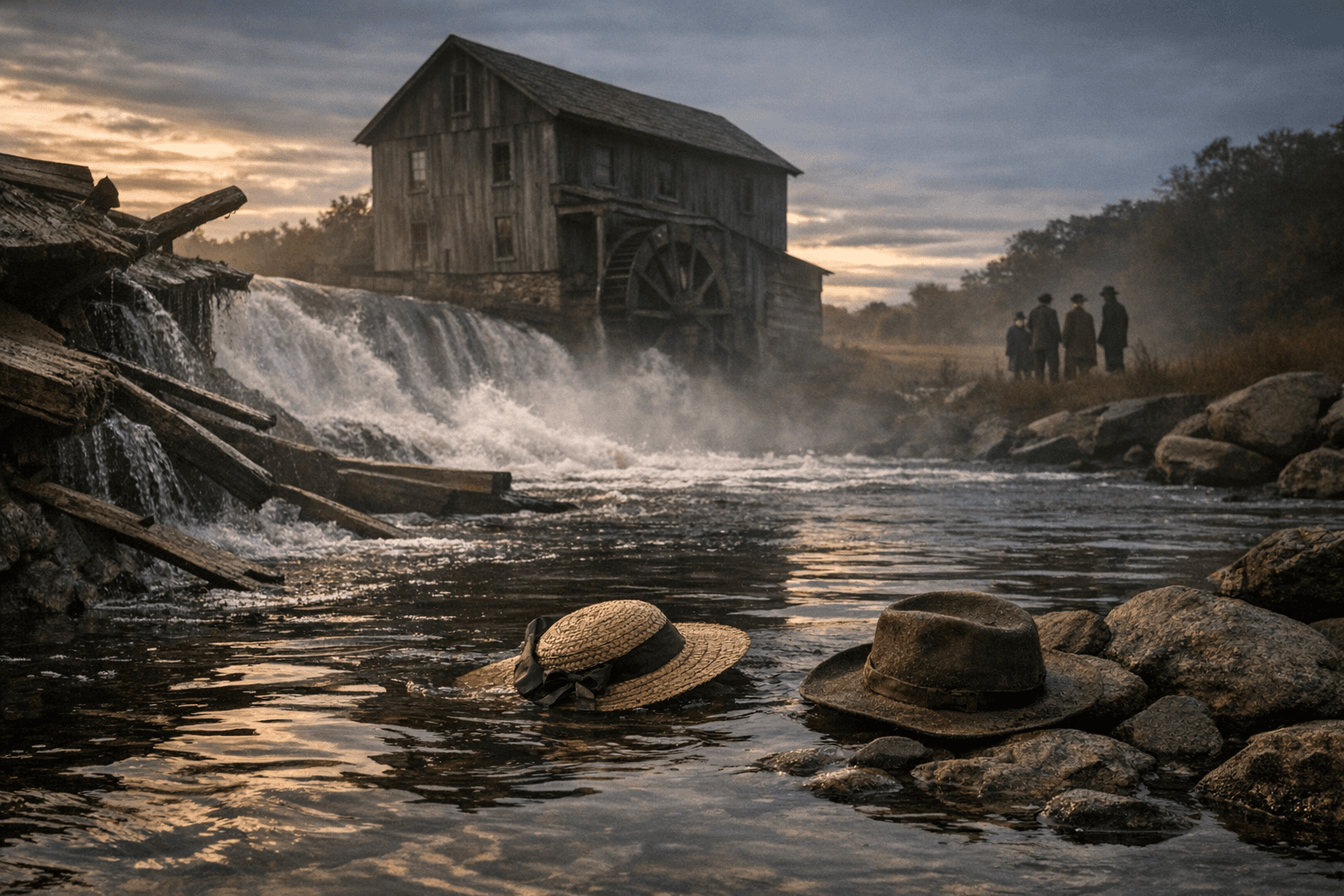
Mills like Craigie’s were more than industrial sites; they served as market hubs where grain changed hands, cash circulated, and ancillary trades—blacksmithing, carpentry, general stores—clustered. The presence of a reliable mill influenced where farmers chose to settle and how quickly agriculture could scale in a frontier county. The legal battles that followed the Craigies’ deaths illustrate the economic stakes tied to such facilities: control of processing infrastructure often equated to control over local pricing, credit arrangements, and transportation patterns.
For Otter Tail County today, the Craigie mill story offers both historical perspective and practical policy considerations. From a market standpoint, early mills helped create localized value chains that modern planners now seek to revive in different forms—local food systems, small-scale processing, and heritage tourism. From a policy angle, preserving mill sites or interpreting their stories can support cultural tourism and educational programs that diversify rural economies while honoring the county’s agrarian roots.
Long-term economic trends transformed the milling industry: technological advances, rail expansion, and consolidation moved processing into larger urban centers by the late 19th and early 20th centuries, reducing the centrality of small community mills. Still, the Craigie episode demonstrates how infrastructure and ownership disputes can shape settlement and economic trajectories for generations.
Understanding the Craigie mill’s role in Otter Tail County’s formation helps explain why certain roads, property patterns, and community nodes developed where they did. Remembering that history can inform present decisions about historic preservation, local economic development, and how the county markets its rural heritage to residents and visitors alike.
Sources:
Know something we missed? Have a correction or additional information?
Submit a Tip