19.5-Mile Orange Heritage Trailway Connects Communities, Parks and Businesses
A 19.5-mile Orange Heritage Trailway links Harriman and Middletown, connecting parks, downtowns and historic sites. It expands safe options for walking, biking and active transport across Orange County.
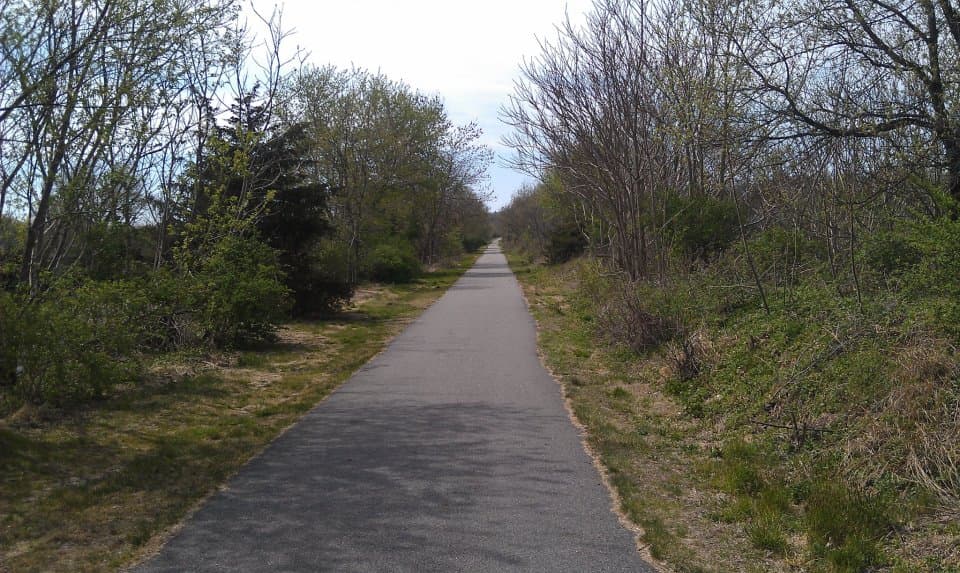
The Orange Heritage Trailway is a roughly 19.5-mile rail-to-trail corridor running along the old Erie Railroad roadbed from Harriman near the Hudson River to Middletown. With key trailheads at East Main Street in Middletown, St. James Place in Goshen, Chester Train Station in Chester, multiple access points in Monroe, and Millpond Parkway and Clark Street access points, the route stitches together neighborhoods, parks and commercial centers across northern Orange County.
For residents, the trail is more than a place for recreation. It provides low-cost opportunities for walking, biking and running, and presents an accessible corridor for active transport between towns that can support commutes, errands and connections to transit. By linking downtowns and historic sites, the corridor also creates new pedestrian pathways to local businesses, which may bolster small retail and hospitality sectors along the route.
Public health effects are central to the trail’s community significance. Trails like this increase everyday physical activity, contribute to mental well-being through access to green space, and expand equitable access to safe outdoor exercise across income levels and ages. From a policy perspective, the trail exemplifies how reuse of former railbeds can become infrastructure for chronic disease prevention and mobility justice. Municipal planners and health agencies can treat the corridor as part of a broader active transportation network that complements sidewalks, bike lanes and transit initiatives.
The pathway serves as a regional model for trail development by demonstrating how a continuous corridor can link multiple jurisdictions and amenities. It connects residents to parks and historical points of interest while offering a scalable template for future projects that aim to reduce car dependence and support environmentally friendly travel. For towns along the route, the trail creates opportunities for coordinated signage, maintenance partnerships and joint promotion that can leverage tourism and local commerce without large single-jurisdiction expenditures.
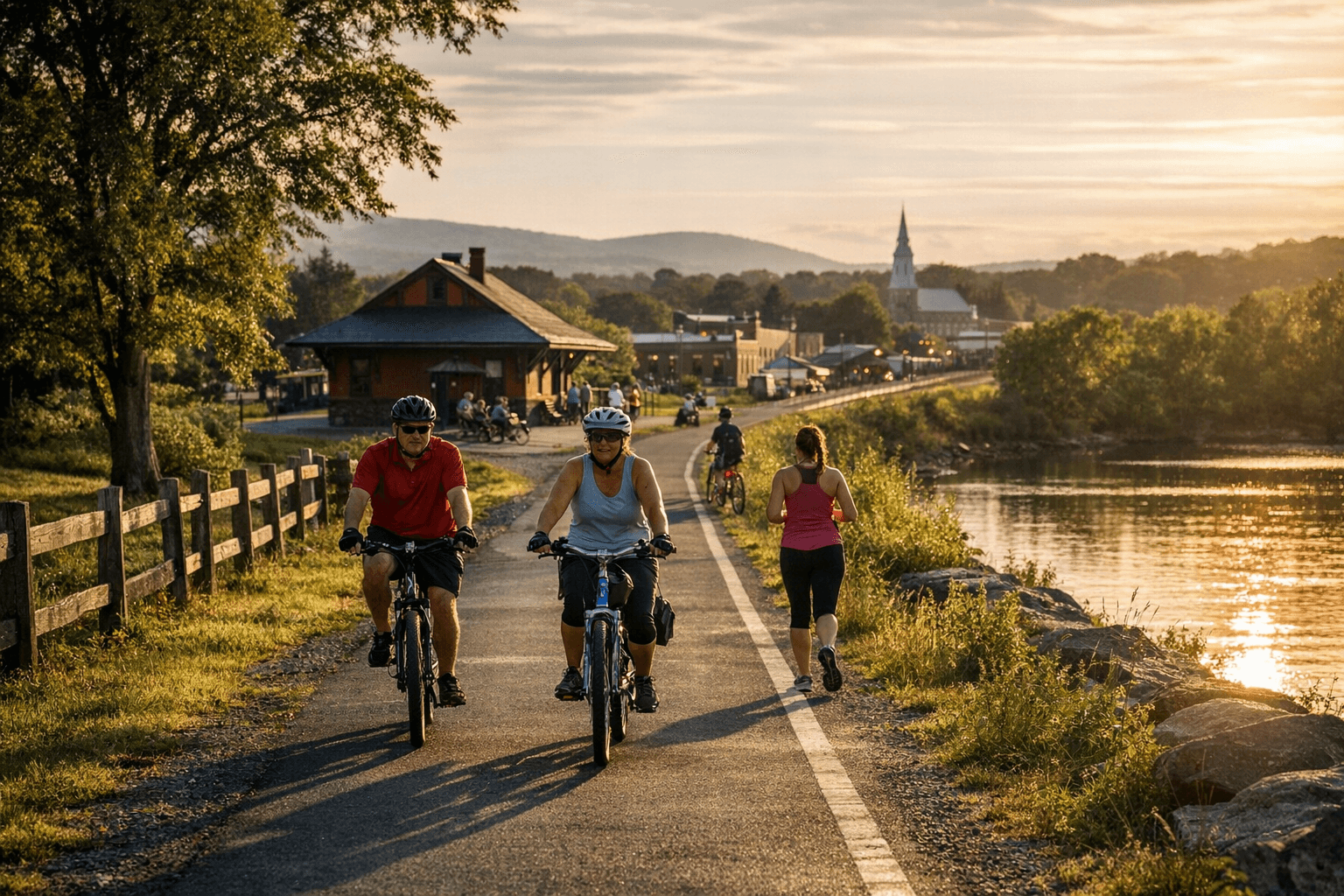
Equity considerations will shape how the trail functions day to day. Ensuring safe crossings, clear access points and well-maintained surfaces matters for older residents, families with strollers and people who use wheeled mobility devices. Programming such as community-led walks, bike safety clinics and small business outreach can help ensure benefits reach people across the county rather than concentrate in a few downtowns.
For Orange County residents the trail offers immediate, tangible benefits: a continuous, car-free place to get exercise, a new way to visit Main Street businesses and a connective spine that supports healthier, more accessible travel. As municipalities and community groups steward the corridor, the trail’s role in local public health, economic resilience and equitable mobility is likely to grow.
Sources:
Know something we missed? Have a correction or additional information?
Submit a Tip