2-year CDs offer higher yields as savers lock in rates
A $40,000 two-year CD at 4.35% APY would earn about $3,556, but a 4.26% savings account and 3.5% inflation narrow the edge fast.
Bankrate’s July 2026 roundup put the best CD rates at 4.35% APY, which would turn $40,000 into about $43,556 over two years. A high-yield savings account paying 4.26% APY would end with about $43,481, leaving the CD ahead by only about $75 before taxes.
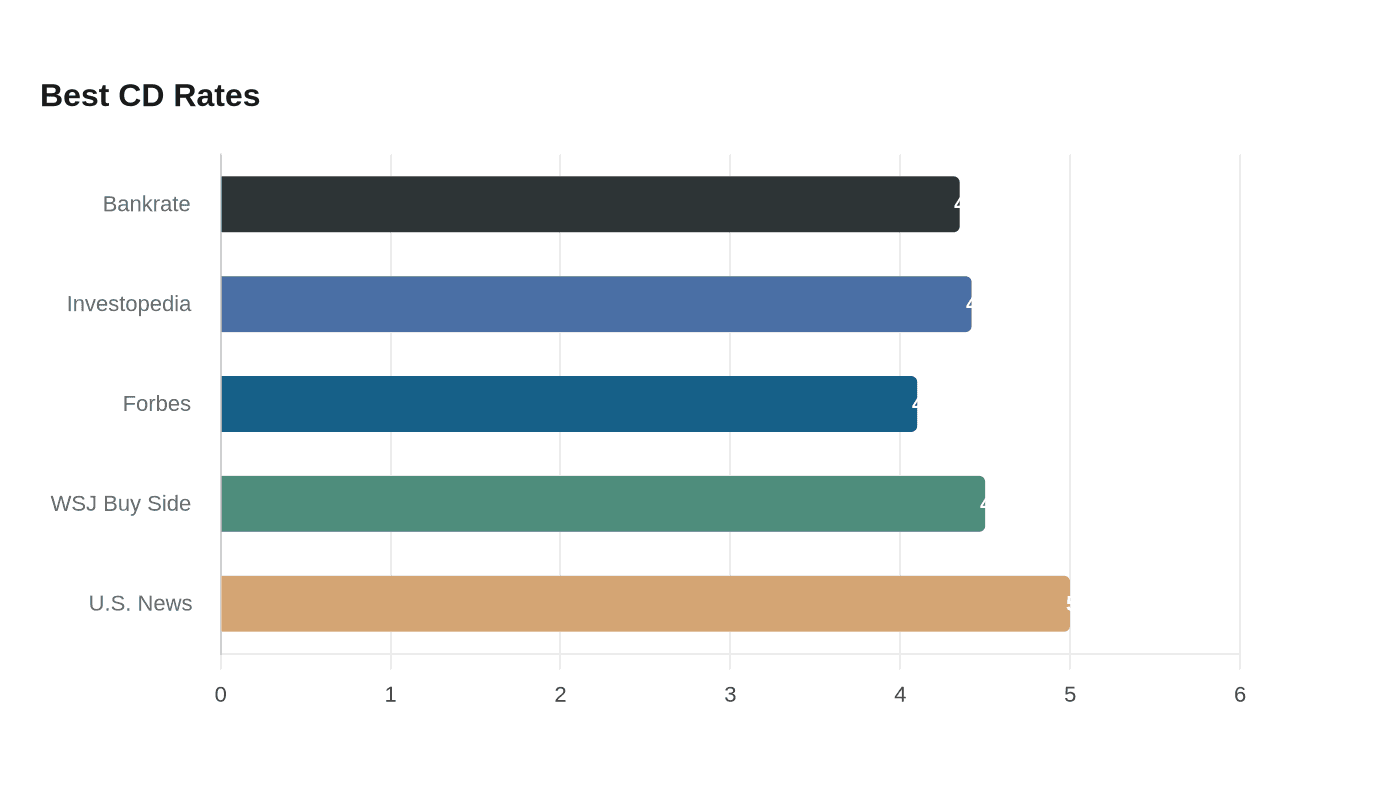
That small spread sits inside a wider range of July offers. Investopedia’s July 2026 guide said the best 2-year CD rates reached 4.42%, Forbes Advisor put the best CD rates up to 4.10% APY, WSJ Buy Side said the highest APYs ranged from 4.14% to 4.50% on July 2, and U.S. News Money listed top CD offers up to 5.00% APY. Edward Jones’ current-rates page, current as of 7/22/2026, still showed FDIC-insured CD tables across terms from 3 months through longer maturities.

The FDIC insures deposits in banks and thrift institutions for at least $250,000, which is why CDs remain a staple for conservative savers who want principal protection. The FDIC’s National Rates and Rate Caps page for July 2026, along with its previous-rates page, provides the federal benchmark for comparing offers, while the Federal Reserve Bank of St. Louis tracks 12-month CD rates in FRED to show how deposit yields move over time.
Taxes and inflation quickly eat into the payoff. On $3,556 of CD interest, a saver in the 22% federal bracket would owe about $782 in tax, leaving roughly $2,774. If inflation stayed near the June 2026 CPI pace of 3.5%, $40,000 would need to grow to about $42,849 over two years just to keep pace with prices, which leaves little cushion once taxes are paid.
That is the trade-off households face before any shift in Fed policy filters into bank rates. A two-year CD locks in today’s yield and protects against falling deposit rates, while a high-yield savings account or a shorter-term CD keeps cash more flexible if yields rise again or if money may be needed sooner.
This article was produced by Prism’s automated news system from verified source data, official records, and press releases, then run through automated quality and moderation checks before publishing. The system is built and supervised by the people who set the standards it runs under. Read our full AI policy.
Did this article answer your question?