After a layoff, experts urge unemployment, bills first, not debt relief
After a layoff, the smartest first moves are unemployment, insurance, and rent, not debt settlement. CFPB warns debt-relief firms can be risky and says creditor negotiation comes first.
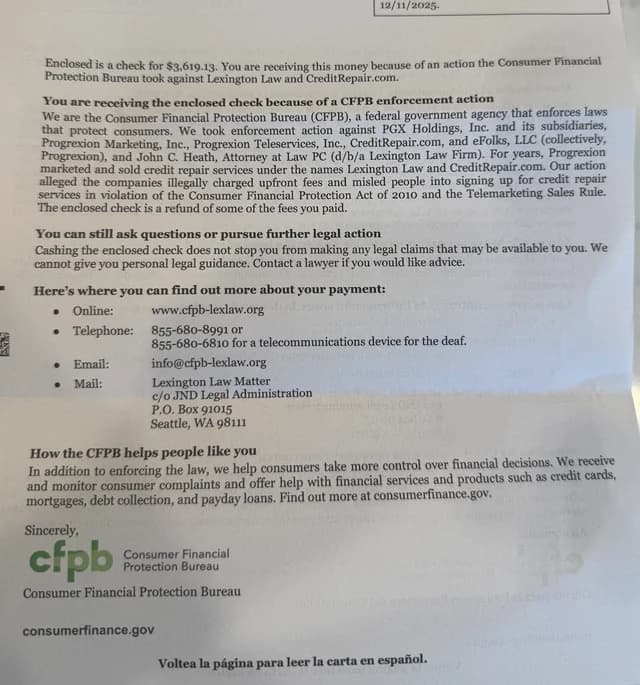
The Consumer Financial Protection Bureau tells laid-off workers to file for unemployment, protect health coverage, and cover rent and other essentials before they sign anything with a debt-settlement company.
Start with the bills that keep you housed and insured
The order matters because the first missed payments that can destabilize a household are usually housing, utilities, and health coverage. Notifying lenders right away can also buy time before a balance becomes delinquent.
Laid-off workers should act quickly, contact creditors before falling behind, and apply for unemployment right away to replace part of the lost income. The practical sequence is simple: replace as much income as possible first, then protect the essentials, then decide whether a formal debt program is needed.
Use this decision tree before you sign up for relief
If your benefits, severance, side income, or emergency savings can cover rent, food, utilities, and minimum debt payments for a few months, the first move is usually direct creditor negotiation. If your lenders will accept a temporary lower payment, a pause, or another hardship arrangement, that may be safer than entering a settlement program that can damage your credit and disrupt payment timing.
If you cannot afford minimums but can make a smaller monthly payment, credit counseling is often the cleaner next step. If your debts are already unmanageable even after unemployment benefits and creditor concessions, then you can compare debt settlement, debt consolidation, or bankruptcy with clear eyes. You should understand the differences between credit counseling, debt settlement, debt consolidation, and credit repair before you enroll in any program.
A practical way to think about it:

- Filing for unemployment and protecting insurance comes first.
- Calling creditors comes second, especially before an account slips further behind.
- Credit counseling with a debt management plan makes sense when you need structure and lower monthly payments, but not necessarily a wipeout.
- Debt settlement or bankruptcy belongs later in the process, after you have measured the tradeoffs.
Why credit counseling is different from settlement
Credit counseling agencies are not the same as debt relief or settlement companies. Credit counseling agencies are nonprofit agencies that help debtors work with creditors to arrange a repayment plan as a means of reducing debt without filing for bankruptcy. That is a fundamentally different model from settlement firms that claim they can renegotiate, settle, or otherwise change the terms of your debt.
Nonprofit counseling can also produce concrete relief. At American Consumer Credit Counseling, the debt management program may lower monthly payments and reduce interest rates. At Consumer Debt Counselors, clients may qualify for reduced interest rates, lower monthly payments, help ending collection calls, stopping over-limit and late fees, and bringing accounts current. GreenPath Financial Wellness is a national nonprofit credit counseling agency with NFCC-certified counselors.
Know the red flags before you pay anyone
The clearest warning sign is a company that promises it can renegotiate, settle, or change your debt terms without explaining the cost, timing, or consequences. Dealing with debt relief or settlement companies can be risky, and you should consider all options, including working directly with creditors or with a credit counselor.
Another warning sign is any pitch that blurs the line between hardship programs, hardship loans, and debt-management plans. Those tools are not interchangeable, and they can carry different costs and risks. A legitimate counselor should be able to explain whether you are getting a creditor-negotiated repayment plan, a consolidation strategy, or something that adds new borrowing, and should put that explanation in plain language before you agree to anything.
Why the pressure is rising now
Bankruptcy filings rose 11.5 percent over the previous year, the U.S. Courts said in a July 31, 2025 judiciary news release.
The Federal Reserve Bank of St. Louis tracks layoffs through its “Layoffs and Discharges: Total Nonfarm” series, which gives a broader view of how job cuts move through the economy over time. When layoffs rise, more households face the same sequence at once: unemployment claims, insurance decisions, rent deadlines, creditor calls, and, only after that, the question of whether debt relief is truly the right tool.
This article was produced by Prism’s automated news system from verified source data, official records, and press releases, then run through automated quality and moderation checks before publishing. The system is built and supervised by the people who set the standards it runs under. Read our full AI policy.
Did this article answer your question?