U.S. business activity picks up in July on World Cup, holiday spending
World Cup crowds and July 4 spending lifted U.S. services to a seven-month high, but S&P Global warned the boost may fade fast.

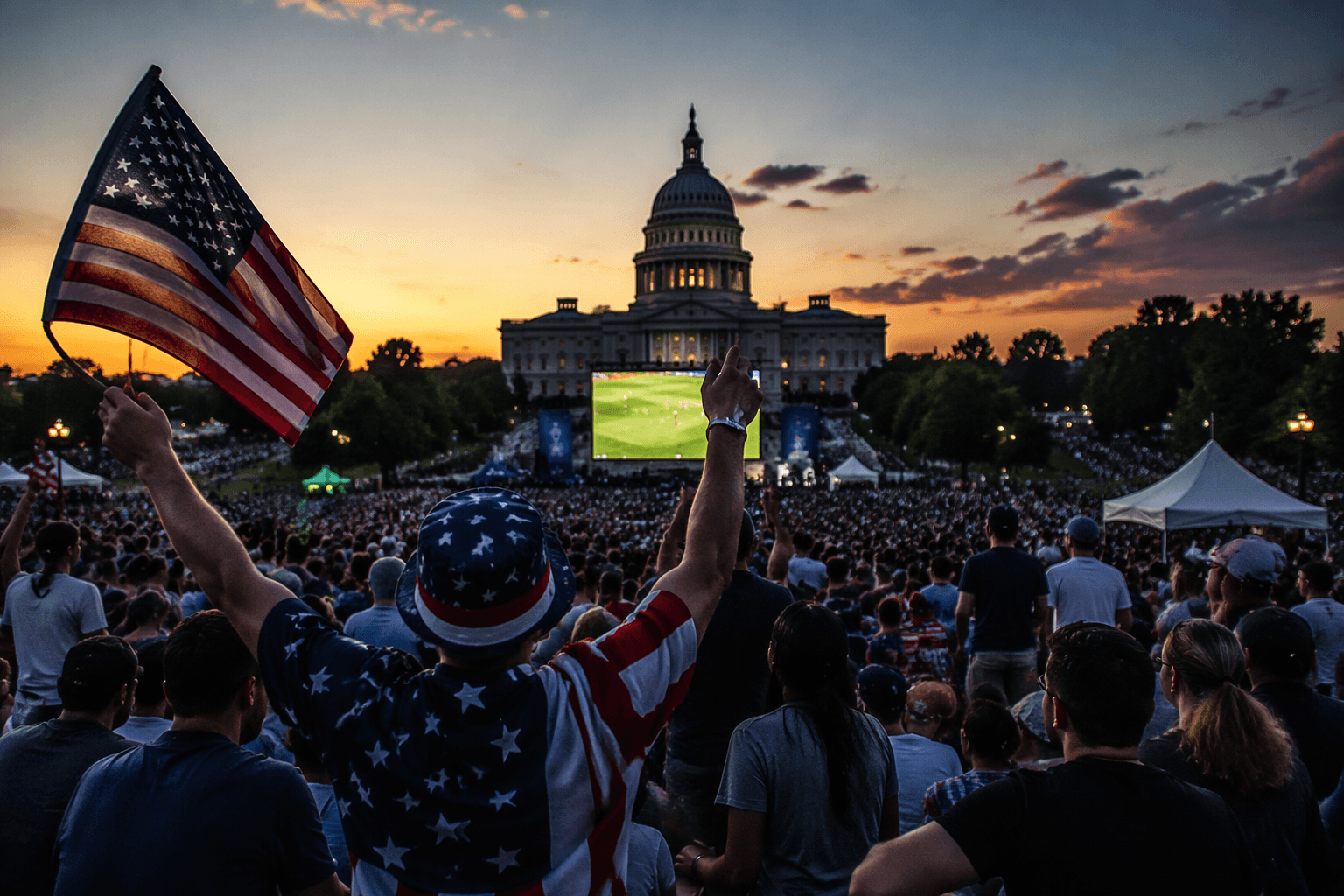
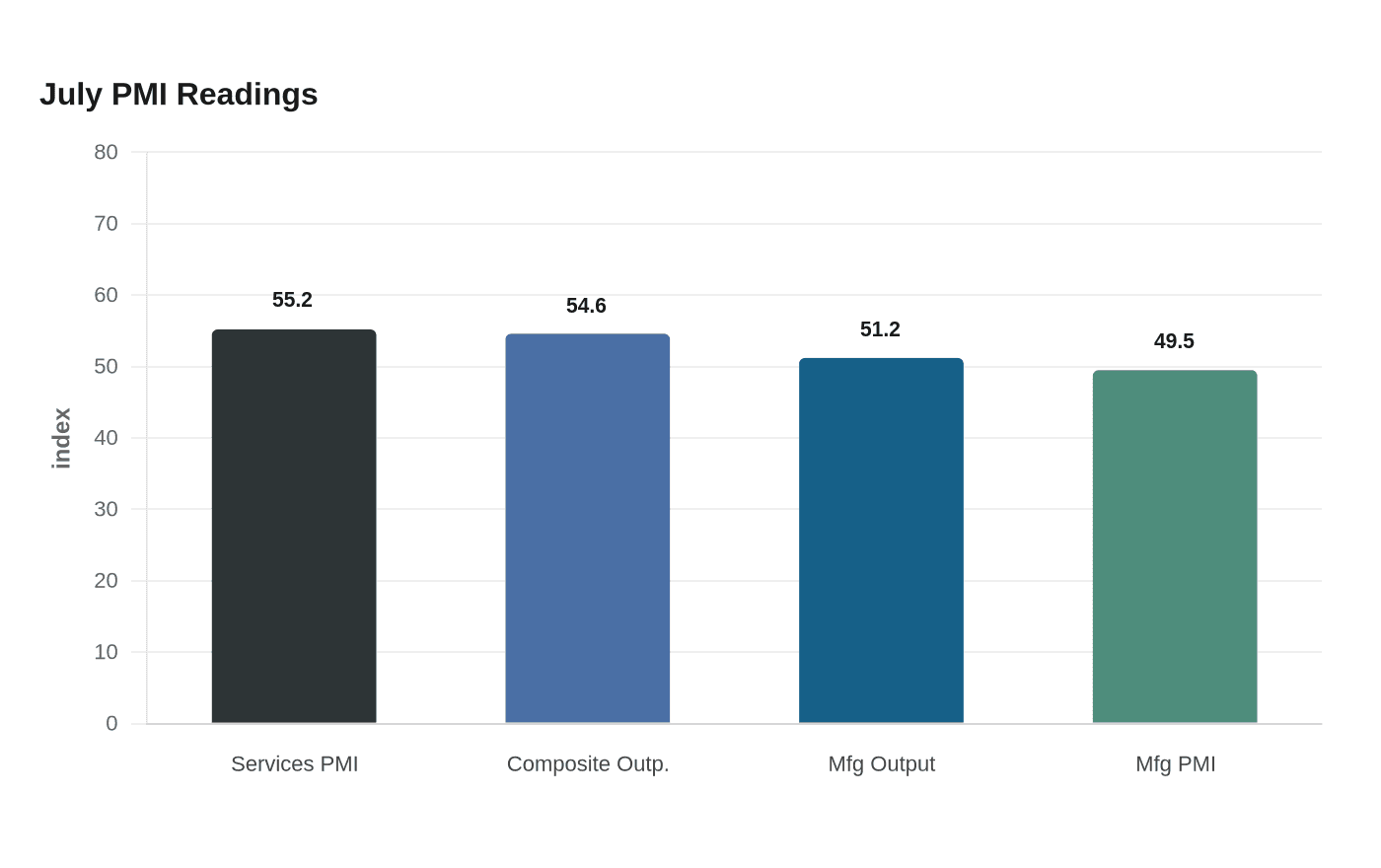
U.S. business activity picked up in July as S&P Global’s flash services PMI climbed to 55.2 from 52.9, a seven-month high, while the composite output index rose to 54.6 from 52.9. The firm said part of the lift came from spending tied to the FIFA World Cup and Independence Day, suggesting the month may have benefited from a short-lived surge rather than a lasting turn in demand.
New business accelerated as high-spending tourists and event crowds pushed up traffic in restaurants, hotels and other service industries, but S&P Global said perceptions of business conditions stayed historically muted. That gap is the key warning in the data: one strong reading can exaggerate the health of the economy if demand is being pulled forward by summer events instead of widening across households and companies.
The services figures matter because the sector makes up most of U.S. economic activity and often gives a clearer read on growth than manufacturing. A stronger services print can ease recession fears, but it can also complicate the inflation outlook if firms are seeing enough demand to keep charging power intact, which would make it harder for the Federal Reserve to turn more dovish.
The broader picture was less uniform. S&P Global’s manufacturing output index slipped to 51.2 from 53.1, and the manufacturing PMI fell to 49.5, below the 50 line that separates expansion from contraction. In the same survey set, factory employment posted its sharpest decline since May 2020 and business confidence eased to an eight-month low, reinforcing the sense that the July pickup was not evenly shared across the economy.
Markets watch these monthly PMI readings closely for clues about consumer strength, labor demand and whether price pressures are likely to stay sticky. July’s rise showed the economy was still drawing customers, but the dependence on World Cup and holiday spending left open how much of the improvement would survive once the tournament’s peak moments and the July 4 lift faded.
This article was produced by Prism’s automated news system from verified source data, official records, and press releases, then run through automated quality and moderation checks before publishing. The system is built and supervised by the people who set the standards it runs under. Read our full AI policy.
Did this article answer your question?