2028 presidential race takes shape as Trump term nears end
Trump's second term and a $79 million Ohio Senate bet are forcing both parties into 2028 mode, with DeSantis, Cornyn and Paxton hinting at rival GOP futures.
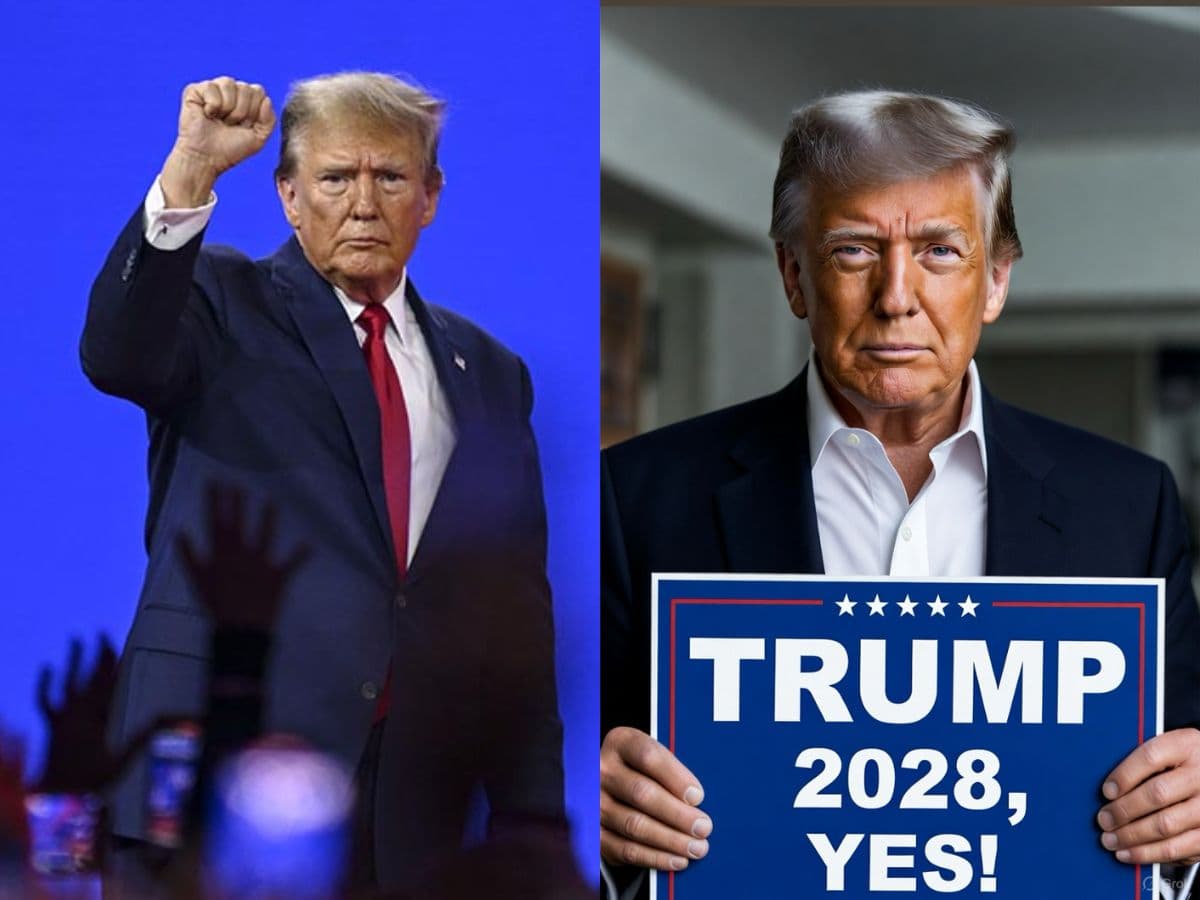
Donald Trump’s second term has already begun to expose the shape of the post-Trump fight. With the 22nd Amendment barring a president from seeking a third elected term, Republicans and Democrats are moving into 2028 planning even as the 2026 midterms will decide who controls Congress and set the terms of the final two years of Trump’s presidency.
The first major test comes on November 3, 2026, when voters will choose around one-third of the U.S. Senate and all of the U.S. House of Representatives. Primary voters will also pick nominees for the Senate in 35 states, governor in 36 states and the House in every state, a calendar that has already pushed fundraising, organizing and party positioning into overdrive. The issues driving that early mood are familiar but unresolved: the economy, immigration, abortion and Social Security.
For Republicans, the emerging 2028 map looks less like a single succession plan than a set of competing ideological bets. Florida Gov. Ron DeSantis remains the clearest example of MAGA continuity, a figure many Republicans have long viewed as a Trump-aligned successor. In Texas, the runoff between John Cornyn and Ken Paxton reflects a different divide inside the party, with Cornyn standing closer to institutional conservatism and Paxton to the combative right that has flourished under Trump.
Ohio is offering another early reading of where the GOP thinks the electorate is headed. Vivek Ramaswamy, the Trump-endorsed Republican nominee for governor, has already raised millions, while the Senate Leadership Fund has pledged $79 million to help GOP incumbent Jon Husted defeat former Sen. Sherrod Brown. Those numbers show donors are still willing to pour money into candidates who can either channel Trump’s base or present a more disciplined, businesslike brand of Republicanism.

Democrats have their own warning from the last cycle. Joe Biden and Trump became the presumptive White House nominees on March 12, 2024, only for Biden to drop out later and endorse Kamala Harris. That rapid shift is a reminder that presidential fields can change fast, especially when voters are locked into high-stakes battles over health care costs, social policy and the condition of the country’s institutions.
By the time the 2026 ballots are counted, the question will not just be who wins Ohio or Texas, but which version of politics survives Trump’s shadow and proves it can still build a national majority.
This article was produced by Prism’s automated news system from verified source data, official records, and press releases, then run through automated quality and moderation checks before publishing. The system is built and supervised by the people who set the standards it runs under. Read our full AI policy.
Did this article answer your question?

