27 cruise ship workers deported after child pornography investigation
U.S. officials said 27 of 28 cruise crew interviewed were tied to child abuse images, then sent home after a port sweep.
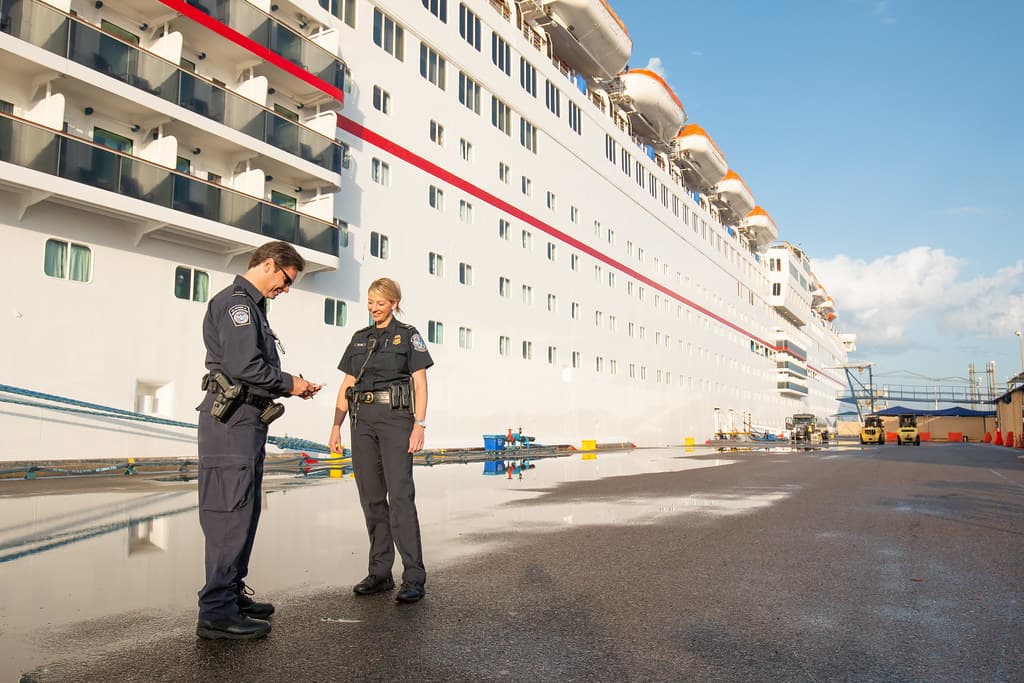
The central question in the cruise ship child-exploitation case is not just what was found, but how 27 workers were identified, removed, and deported without public criminal charges. U.S. Customs and Border Protection said it boarded eight cruise ships between April 23 and April 27 during an ongoing child sexual exploitation material investigation, then canceled the visas of the workers involved and sent them back to their home countries.
CBP said 27 of the 28 crewmembers interviewed were tied to “the receipt, possession, transportation, distribution, or viewing” of child sexual abuse images. The agency said 26 of the workers were from the Philippines, one from Portugal and one from Indonesia. It did not publicly identify the ships it boarded, the workers involved, or whether any passengers were considered victims, leaving a basic accountability gap in a case that sits at the intersection of port security, cruise-line screening and child-protection procedures.
The sweep also exposed an unusual enforcement path. Federal prosecutors in San Diego and Los Angeles said they had no pending charges tied to the operation, even as immigration authorities described the effort as Operation Tidal Wave. Homeland Security Investigations San Diego arrested 23 crewmembers from multiple cruise ships at the Port of San Diego on April 28, and at least some of the vessels had docked in San Diego. The Port of San Diego said Harbor Police were not involved, and the Philippine Consulate in Los Angeles said it was not informed in advance.
That sequence has drawn scrutiny because cases involving child sexual abuse material are typically handled by the FBI and prosecuted in federal court, not resolved through immediate deportation. Maritime attorney Michael Winkleman said the fast removals were unusual, underscoring the question of whether shipboard safeguarding systems, employer screening and port-side reporting failed before federal officers stepped in.
The cruise lines involved have tried to contain the fallout. Disney Cruise Line said it has a zero-tolerance policy, fully cooperated with law enforcement and that any employees tied to the case are no longer with the company. Holland America said some of its crewmembers were involved, called the allegations deeply disturbing and said it cooperated with CBP and terminated the workers involved.
For an industry built on tightly managed access, the case leaves unresolved how far the misconduct reached, who first detected it and whether any internal checks on the ships or at the ports were sufficient. The public record now shows a major federal sweep, but not yet a complete answer on where the safeguards broke down.
This article was produced by Prism’s automated news system from verified source data, official records, and press releases, then run through automated quality and moderation checks before publishing. The system is built and supervised by the people who set the standards it runs under. Read our full AI policy.
Did this article answer your question?

