USS Cole bombing case stalls again, delaying Guantánamo death-penalty trial
Another postponement in the USS Cole case pushed a Guantánamo death-penalty trial farther away, deepening grief for families after nearly 26 years of delays.
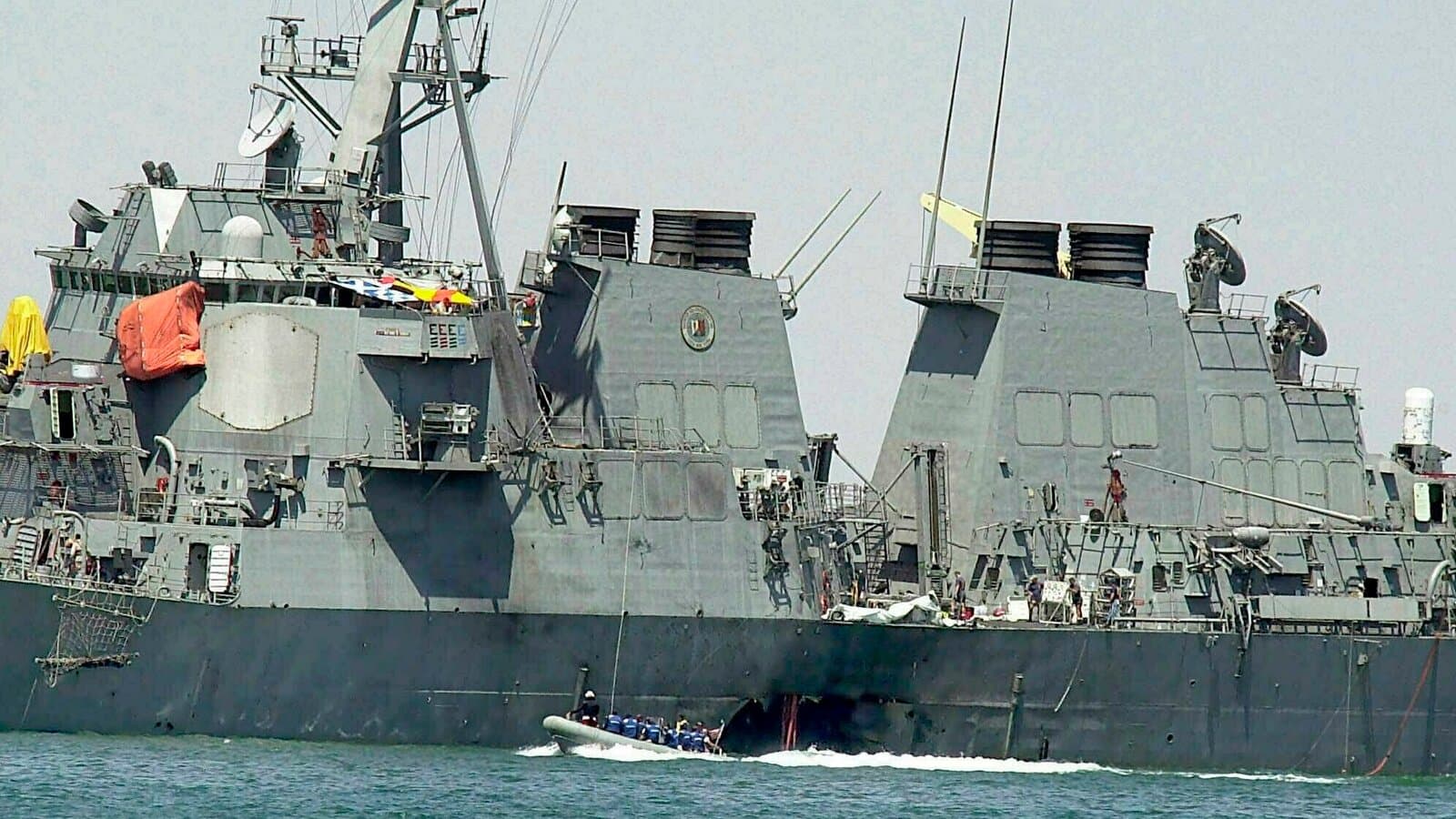
The USS Cole case slid again into delay, pushing back what was meant to be the first death-penalty trial in the Guantánamo military commissions system and extending a wait that has already outlasted many of the people closest to the attack. The defendants, the judges, and the families have been trapped in the same loop for years: a trial date is set, then abandoned, and the promise of finality disappears again.
Abd al-Rahim al-Nashiri, a Saudi national accused of orchestrating the October 12, 2000, bombing of the USS Cole in Aden, Yemen, was first arraigned in 2011, nine years after he was captured. Military judges have set and then abandoned about 10 proposed trial dates since then. The latest postponement once again moved the case away from a proceeding that had been expected to begin in June 2026.
The delays have become part of the story. The case has been tangled in disputes over classified evidence, allegations that al-Nashiri was tortured in secret CIA prisons, and long-running arguments over whether military commissions can reliably handle a capital case. Defense lawyers have also pressed for rulings on whether the government must disclose the method it would use to execute al-Nashiri if he is sentenced to death, adding another layer to a process already strained by legal and procedural fights.
The consequences are measured not only in years, but in people. The attack killed 17 U.S. sailors, and the case has gone on so long that the parents of fallen sailors and some shipmates who survived the bombing have died before seeing a verdict. Families of the victims have repeatedly voiced frustration as the proceeding has veered from one postponement to the next, turning a case meant to deliver accountability into a public test of endurance.
That test now reaches the core of Guantánamo’s legitimacy. The military commissions were created by the George W. Bush administration after the Sept. 11 attacks to try terrorism suspects outside the federal court system. Yet in the USS Cole case, and in other high-profile prosecutions tied to the post-9/11 era, the system has been slowed by conflicts, classified material, and courtroom instability. A federal appeals court in 2019 vacated years of rulings by then-judge Vance Spath after finding undisclosed employment negotiations created a conflict, underscoring how fragile the record has become. After two decades of procedural breakdown, the question is no longer just when this trial will begin, but whether Guantánamo can still credibly finish it.
This article was produced by Prism’s automated news system from verified source data, official records, and press releases, then run through automated quality and moderation checks before publishing. The system is built and supervised by the people who set the standards it runs under. Read our full AI policy.
Know something we missed? Have a correction or additional information?
Submit a Tip