35-Year-Old CrossFit Athlete Suffers Heart Attack, Cardiologists Cite Mayo Clinic Guidance
A 35-year-old CrossFit athlete suffered a heart attack after training, highlighting that even fit athletes face cardiac risk and must know warning signs and emergency steps.

A 35-year-old CrossFit athlete collapsed with a heart attack after a workout, despite reporting a healthy lifestyle, prompting cardiologists to point to Mayo Clinic guidance on heart attack warning signs and emergency response. The athlete’s case, which unfolded January 28, 2026, has sparked conversation across boxes about cardiovascular risk, screening, and how to prepare for medical emergencies during WODs.
Emergency responders treated the athlete at the scene and transported them to a hospital. Medical teams confirmed the event as an acute myocardial infarction. Cardiologists who reviewed the case emphasized that fitness and an absence of obvious risk factors do not eliminate the possibility of coronary events. They cited Mayo Clinic guidance as a framework for recognizing symptoms such as chest discomfort, shortness of breath, sudden lightheadedness, or pain radiating to the jaw, neck, or arms, and for prioritizing immediate emergency care when those signs appear.
For CrossFitters, the incident underscores practical vulnerabilities in box life. High-intensity training raises heart rate and blood pressure acutely, and while regular exercise lowers long-term cardiovascular risk for most people, rare events can occur in athletes. Coaches and members should treat preparedness as part of programming. That means keeping an AED accessible, ensuring at least a few people per session are current on CPR, and dialing emergency services immediately if an athlete displays concerning symptoms during a metcon or strength session.
The case also focuses attention on pre-participation screening for adult athletes. Cardiologists recommend that athletes, especially those 35 and older or with a family history of premature heart disease, discuss baseline cardiac evaluation with a healthcare provider. Conversation with a clinician can help decide whether further testing is appropriate based on individual risk factors, training load, and competition plans. Scaling workouts and monitoring unusual exertional symptoms are sensible steps until any cardiac concerns are cleared.
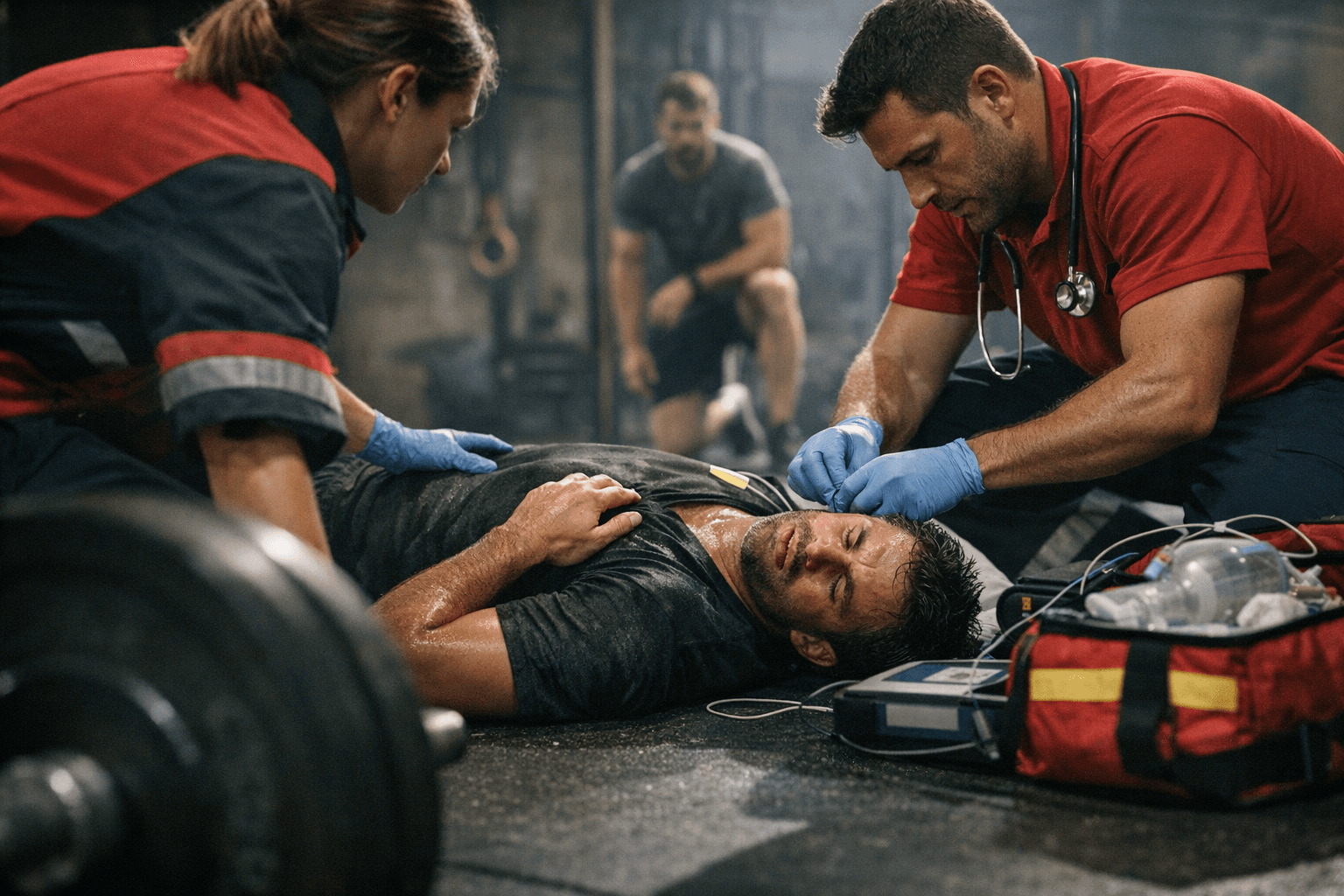
Within the CrossFit community, this event has already changed conversations about risk management versus performance. Box owners are reviewing emergency action plans, and coaches are reminding athletes that "Rx" in programming does not mean ignoring personal warning signs. The practical takeaway is straightforward: know the signs of a heart attack, keep lifesaving equipment and trained responders on site, and get medical clearance when risk factors or family history suggest it.
What comes next for readers is actionable: treat cardiovascular safety as part of your training culture. Review your box emergency plan, check AED readiness, refresh CPR skills, and talk with a clinician about screening if you are over 35 or have a family history of heart disease.
Know something we missed? Have a correction or additional information?
Submit a Tip