46 Legionnaires’ disease cases linked to Upper East Side cooling towers
Upper East Side cases climbed to 46 as crews tested cooling towers, warned of flu-like symptoms, and said tap water and home AC remained safe.

The Upper East Side Legionnaires’ cluster had reached 46 cases by July 9, with 22 people currently hospitalized and no deaths, as the outbreak centered in Carnegie Hill and Yorkville, including ZIP codes 10028, 10128 and 10075. The illness was tied to bacteria in mist from cooling towers, not to a plumbing failure inside any building.
Legionnaires’ disease spreads when someone breathes in water vapor containing Legionella bacteria. Residents in the affected ZIP codes can keep drinking tap water, bathing, showering, cooking and using air conditioners at home, but anyone who lives, works or spent time in the area since late June and now has flu-like symptoms, fever, cough or trouble breathing should get medical care right away.
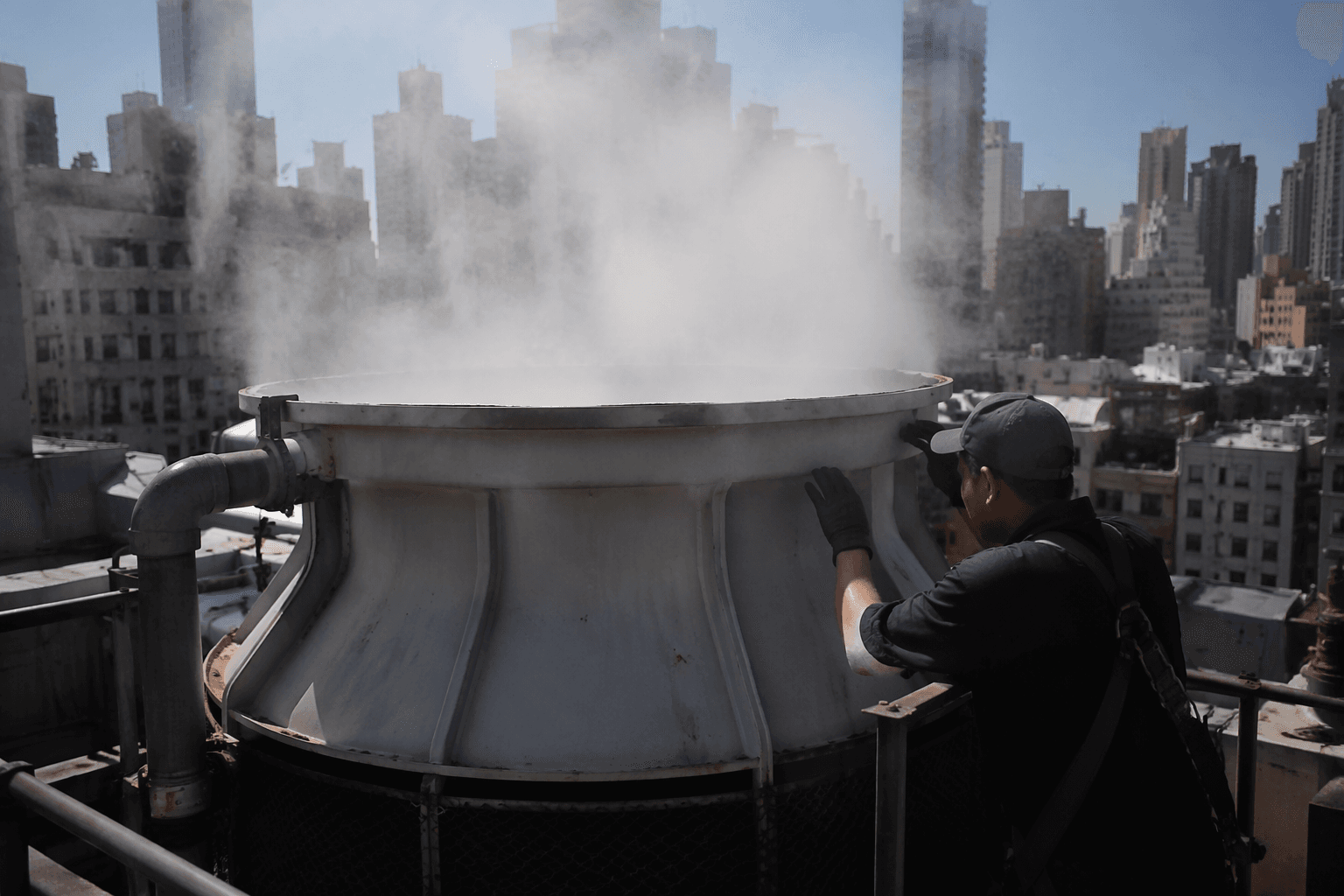
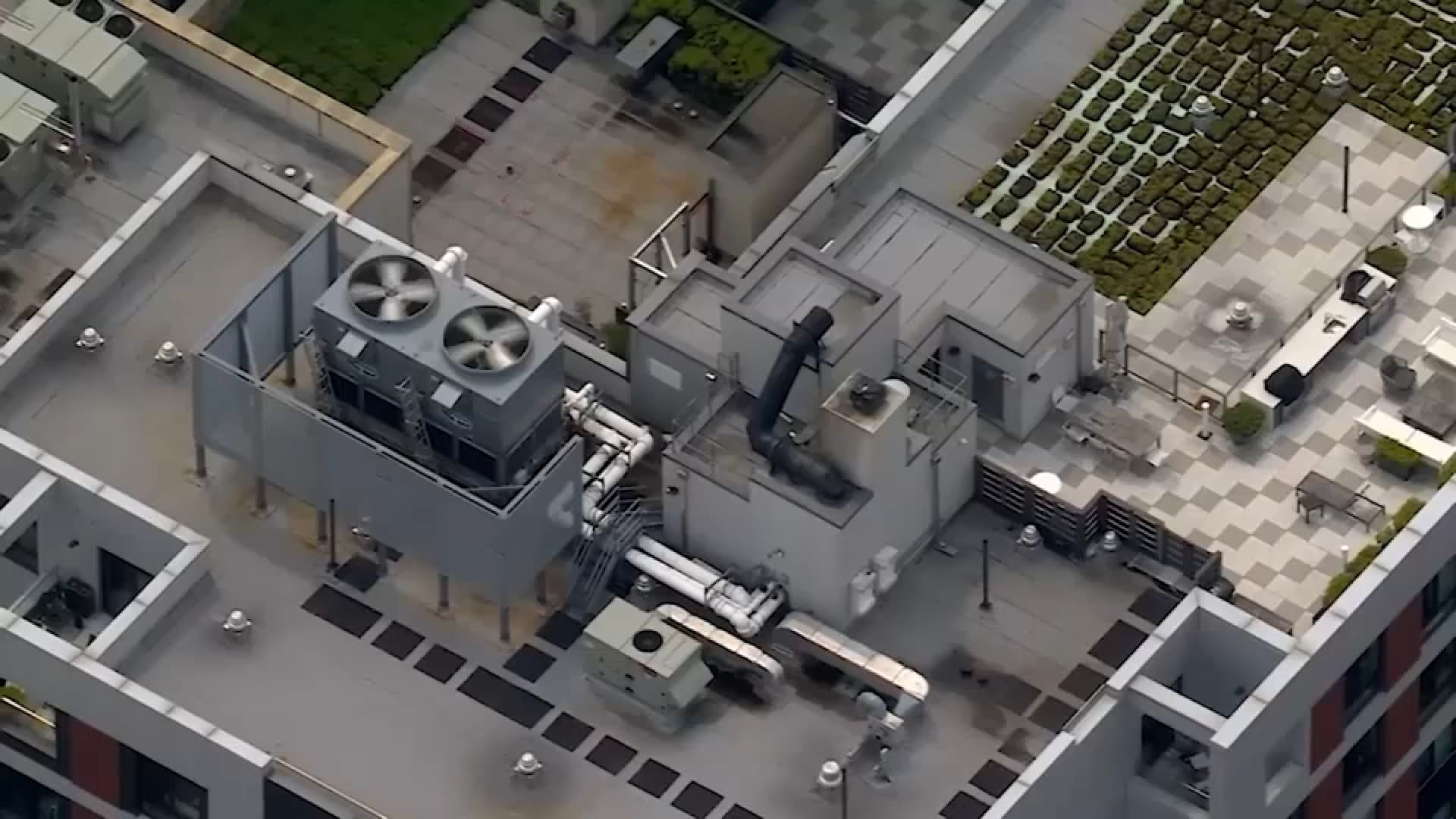
Officials have focused their response on cooling towers across the area, sampling and testing every system they can reach. Towers that test positive on initial PCR screening will have their addresses released publicly and will be cleaned and disinfected immediately. Mayor Zohran Kwame Mamdani said more than 100 Health Department staff members were mobilized for the response.
The highest-risk groups include people age 50 and older, smokers or vapers, and those with chronic lung disease, heart, kidney or liver disease, diabetes or weakened immune systems. For those residents, a fever or cough that might look like a summer virus can become pneumonia fast.
The investigation began on July 2, when only two people had been diagnosed and Legionnaires’ disease was not contagious from person to person. By July 8 neighbors packed a town hall as the count kept rising. New York City typically records 200 to 700 Legionnaires’ cases a year, and the city’s 2025 Central Harlem outbreak ended with 114 cases, 90 hospitalizations and seven deaths.
This article was produced by Prism’s automated news system from verified source data, official records, and press releases, then run through automated quality and moderation checks before publishing. The system is built and supervised by the people who set the standards it runs under. Read our full AI policy.
Did this article answer your question?