CDC reports rising cyclosporiasis cases across 31 states this summer
Cyclospora cases are climbing in 31 states, with 843 confirmed domestic infections and no single outbreak link. The real threat is contaminated produce, not kitchen gadgets.
Cyclospora infections are rising across the country, with the CDC counting 843 confirmed domestic cases, 86 hospitalizations and no deaths across 31 states as of July 9, 2026. More than 1,500 additional cases still need review to determine whether they were domestically acquired, a sign that the seasonal total is still moving.
What the numbers show
The CDC treats cyclosporiasis as a nationally notifiable disease, and it is reportable in 47 states, the District of Columbia and New York City. State totals can run higher than the CDC’s confirmed domestic count: states may include probable cases that do not yet appear in federal surveillance data. Multiple states have logged more cases in the last two weeks than during the same period in 2025, even though there is still no evidence of a single multistate outbreak tying all of the cases together.
CDC defines May 1 through August 31 as the cyclosporiasis season. Clusters can appear outside that window in some years, which is one reason investigators keep looking at produce supply chains and travel-linked exposures at the same time.
Where Cyclospora comes from
Cyclosporiasis is caused by Cyclospora cayetanensis, a microscopic parasite that spreads through fecal contamination. How Cyclospora gets into food and water is not fully known, and the best protection is avoiding contamination with feces. In practice, that makes the food chain the central point of vulnerability, not the home kitchen alone.
Outbreaks have been associated with fresh fruits and vegetables around the world, including in the United States. Infected people, even when they have no symptoms, can shed the parasite in feces and contaminate food, water and the environment. The parasite is difficult to control once it gets into a growing, packing or handling system.
Chlorine and other common antimicrobial chemical treatments are not effective against C. cayetanensis, and the parasite has to remain in the environment for one to two weeks before it becomes infective to other humans.
Why the summer count rises
Cyclosporiasis cases rise during spring and summer, which is why the season is defined as May 1 through August 31. Reported U.S. cases had been rising in recent years, in part because better diagnostic testing methods are picking up infections that used to be missed, FDA wrote in its 2021 Cyclospora Prevention, Response and Research Action Plan.
That action plan estimated roughly 6,000 domestically acquired cases over the previous three years at the time.
Foods and outbreaks under scrutiny
Fresh produce is the recurring weak spot. FDA has tied prior Cyclospora detections to cilantro in 2018, to a later salad-mix outbreak linked primarily to domestic growers, and to a 2020 bagged-salad outbreak that caused more than 700 laboratory-confirmed illnesses. The problem is not confined to imports; domestically grown produce can also be implicated when contamination enters the field, wash water, packing line or distribution chain.
State and federal partners are investigating several outbreaks while also trying to sort confirmed cases from the larger pool of additional reports that still require analysis. Molecular tools can help investigators determine whether illnesses belong to the same outbreak or to separate contamination events.
What actually prevents infection
The most effective prevention is reducing the chance that contaminated food or water reaches the plate, and then washing produce correctly when it does.
- Wash hands with soap and water before and after handling raw fruits and vegetables.
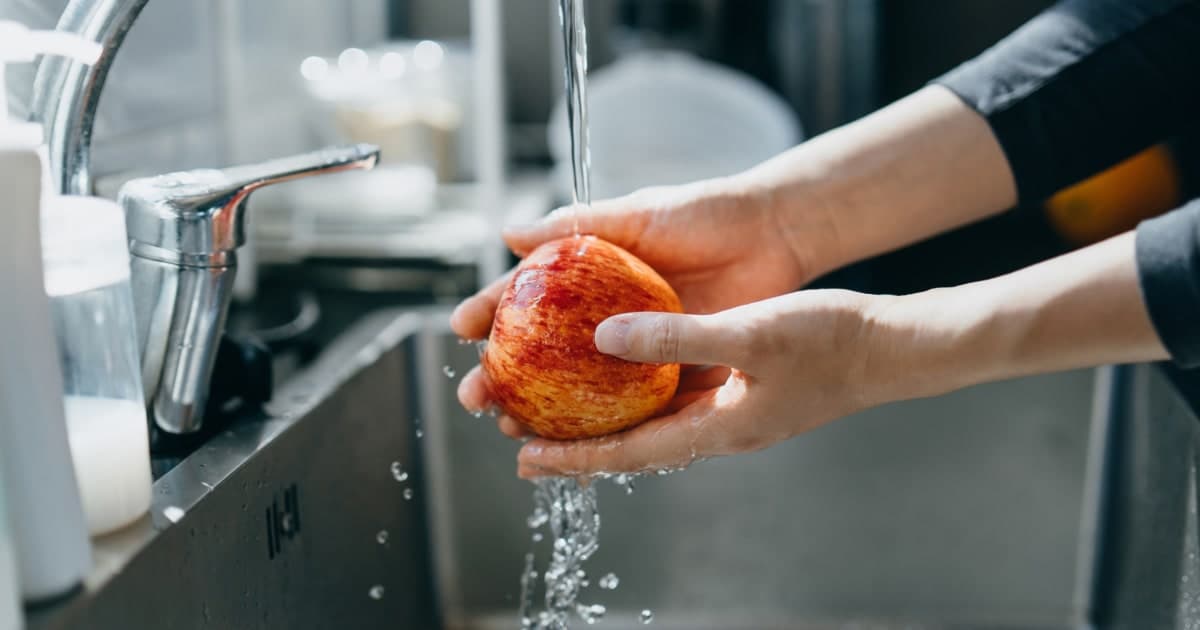
- Rinse produce thoroughly under running water before eating, cutting or cooking it.
- Scrub firm fruits and vegetables, such as melons and cucumbers, with a clean produce brush.
- Cut away damaged or bruised areas.
- Refrigerate cut, peeled or cooked produce within two hours.
Routine chemical disinfection or sanitization is unlikely to kill Cyclospora. Chlorine and other common antimicrobial chemical treatments are not effective against the parasite. Basic hygiene, cold storage and tighter control of contaminated water and handling points are the main defenses.
How regulators are responding
FDA created the Cyclospora Task Force in 2019 after the emergence of Cyclospora in domestically grown produce sharpened concern about recurring food-safety failures. The task force brings together multidisciplinary experts across FDA and CDC and focuses on prevention, response and the knowledge gaps that still make this parasite hard to trace. CDC is working with states and other agencies to develop and validate molecular tools for linking cases, a step that can make outbreak investigations faster and more precise.
This article was produced by Prism’s automated news system from verified source data, official records, and press releases, then run through automated quality and moderation checks before publishing. The system is built and supervised by the people who set the standards it runs under. Read our full AI policy.
Did this article answer your question?