48 Hours Returns With New Episodes and High-Profile True-Crime Cases
CBS’s 48 Hours has returned with Season 38 episodes built around missing-person cases, cold crimes and forensic disputes, keeping its Saturday-night home intact.
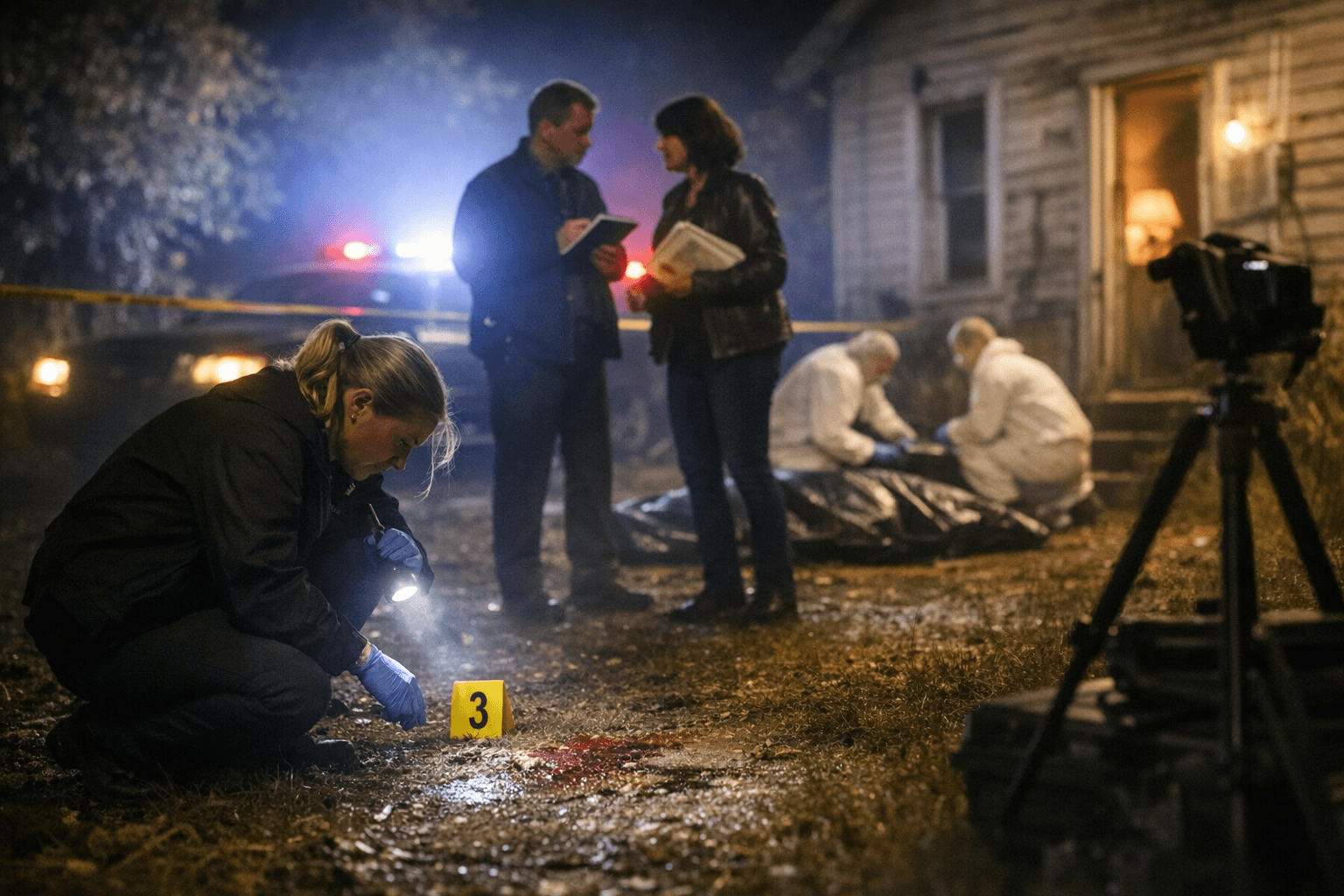
48 Hours is back in its familiar Saturday-night lane, and CBS is selling the return as more than another true-crime lineup. The network calls it television’s most popular true-crime series and says it investigates shocking cases and real-life drama with journalistic integrity and cutting-edge style, a formula that still resonates as viewers look for crime reporting with stakes beyond suspense. CBS is also leaning into the show’s public-interest posture with the line, “True crime. Social justice. Impact. ‘48 Hours’ is back. To miss it would be a crime!”
That positioning helps explain why the series endures in a crowded field. 48 Hours is not just packaging mystery; it is built around cases where public attention can affect searches for missing people, pressure investigators, and keep families from fading into the background. CBS’s current season guide shows Season 38 episodes airing in 2026, confirming that the franchise remains a regular part of the network’s schedule rather than a sporadic special. CBS also publishes a current primetime listing, giving the show a clearly marked broadcast home even as full episodes and clips continue to stream on CBS and Paramount+.
The recent run has centered on cases with obvious broader relevance. On April 11, Season 38, Episode 35, Kimberly Langwell’s Hidden Grave aired. On April 4, CBS aired Episode 34, The Root Beer Float Murder, and Episode 33, The “No Body” Case of Dee Warner. On March 28, Episode 32, Denise and Aaron Quinn Get the Last Word, aired. Those titles point to the kinds of cases 48 Hours tends to pursue: missing persons, suspected murders, forensic uncertainty and legal fights in which evidence, testimony and time can shape whether a family ever gets an answer.
That mix is why the program still matters as a viewer guide for true-crime audiences who want more than lurid storytelling. A case like The “No Body” Case of Dee Warner raises the same hard questions that haunt many investigations, from how prosecutors build a case without a recovered body to how communities assess claims when physical evidence is thin. What the Neighbors Saw suggests another long-running 48 Hours strength, the use of witness accounts and neighborhood memory to reconstruct what happened when formal records fall short.
With Tracy Smith, Peter Van Sant, Erin Moriarty, Anne-Marie Green, Natalie Morales and Nikki Battiste associated with the franchise, 48 Hours keeps its identity as a CBS News operation first and a crime show second. That blend of reporting, access and regular scheduling is what has kept it visible while other true-crime series come and go.
This article was produced by Prism’s automated news system from verified source data, official records, and press releases, then run through automated quality and moderation checks before publishing. The system is built and supervised by the people who set the standards it runs under. Read our full AI policy.
Did this article answer your question?